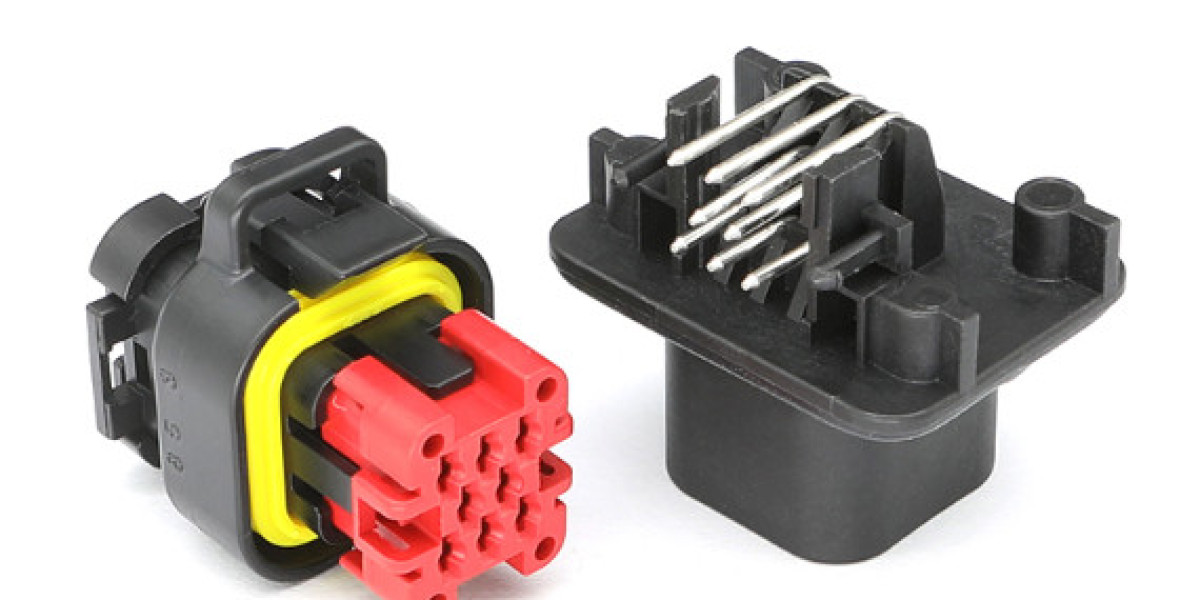

In many real-world cases, the trailer wiring loom begins to show problems at vibration-sensitive points rather than in the middle of the cable. Continuous movement during towing causes stress around connectors, mounting clips, and bending sections. Over time, this micro-motion can lead to insulation wear or internal conductor fatigue, even if no external damage is immediately visible.
Moisture intrusion and grounding instability are also frequent factors. A trailer wiring loom operating in wet or salty environments may develop increased resistance at grounding points or connector interfaces. This can result in intermittent lighting behavior, such as flickering indicators or unstable brake signals, instead of complete failure at once. Corrosion processes often progress slowly inside terminals before becoming noticeable.
UV exposure and installation routing further influence lifespan. When a trailer wiring loom is exposed to sunlight for long periods, insulation materials may harden and lose flexibility, increasing the risk of cracking near moving sections or sharp edges. Poor routing near suspension or frame contact points can also accelerate wear due to repeated friction and tension.