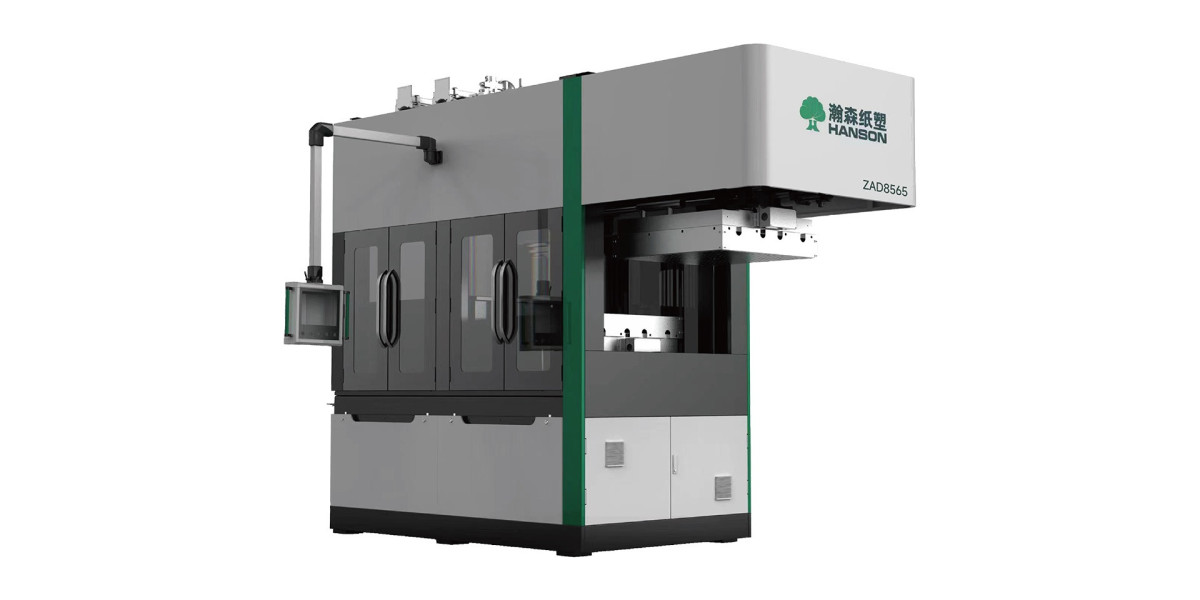

Egg packaging may not seem complicated at first glance, but producing large quantities of reliable egg trays requires much more than simply shaping paper. An Egg Tray Machine is designed to turn waste paper, cardboard, and other recyclable fiber materials into molded pulp trays that protect eggs during transportation, storage, and handling. For businesses involved in egg production and packaging, this equipment can become an important part of a more efficient production line.Get more news about Egg Tray Machine,you can vist our website!
What I find particularly interesting about an Egg Tray Machine is its combination of simplicity and practicality. The basic idea is straightforward: recycled paper is processed into pulp, molded into a tray, dried, and prepared for use. Yet every stage has an influence on the final product. A well-designed machine can produce trays with consistent dimensions, sufficient strength, and clean edges while reducing the amount of manual labor required.
How an Egg Tray Machine Works
The production process generally starts with waste paper or other suitable fiber materials. These materials are mixed with water and processed into pulp. Depending on the equipment configuration, the pulp may then undergo refining and concentration adjustments to achieve the desired consistency.
The prepared pulp is transferred to the molding section. Here, specially designed molds shape the wet pulp into egg trays. Vacuum systems help remove excess water and draw the pulp onto the mold surface. This stage is important because the mold determines the tray's overall dimensions, egg cup shape, thickness, and structural details.
After molding, the wet trays need to be dried. Different Egg Tray Machine configurations may use natural drying, hot-air drying, or more automated drying systems. The choice usually depends on production capacity, available space, local climate, and investment budget.
Finally, the dried trays can be collected, inspected, stacked, and packaged for shipment or direct use.
Consistent Product Quality
One of the biggest advantages of an Egg Tray Machine is production consistency. When egg trays are made manually, differences in thickness, shape, and drying can be difficult to avoid. Automated or semi-automated equipment provides much better control over these variables.
Consistency matters because egg trays need to hold individual eggs securely. Each cup should have enough depth and structural support to reduce movement and contact between eggs. If the tray is too soft, thin, or poorly formed, it may not provide adequate protection during transportation.
A quality Egg Tray Machine helps manufacturers maintain repeatable molding conditions. This makes it easier to produce trays that meet the same basic standards from one production batch to another.
Efficient Use of Recycled Materials
Another important feature is the machine's ability to work with recycled paper materials. Waste newspapers, cartons, and other fiber-based materials can often be processed into pulp and transformed into useful packaging products.
This gives Egg Tray Machine production a practical environmental advantage. Instead of treating used paper as waste, manufacturers can turn it into a new product with a clear commercial purpose. The finished trays are also generally recyclable and biodegradable under appropriate conditions.
In my opinion, this is one of the strongest reasons to consider molded pulp packaging. The material is inexpensive compared with many alternatives, while the manufacturing process can support a circular approach to resource use.
Different Production Capacities
Egg Tray Machines are available in different configurations and capacities. Small-scale equipment may be suitable for farms or businesses serving a local market, while larger automated lines are designed for continuous commercial production.
The right capacity should not simply be chosen based on the highest possible output. A machine that produces far more trays than a business can sell may increase unnecessary investment, energy consumption, and maintenance costs.
It is better to consider actual demand, available raw materials, labor, workshop space, and future expansion plans. For growing businesses, modular production equipment can offer a useful balance between current requirements and future capacity.
Automation and Labor Efficiency
Modern Egg Tray Machines can reduce the amount of repetitive manual work involved in pulp molding and tray handling. Depending on the production line, feeding, molding, drying, stacking, and collection can be partially or highly automated.
Automation is especially valuable for larger production facilities. Workers can focus more on equipment monitoring, quality control, maintenance, and packaging rather than performing every production step manually.
However, I would not judge a machine only by how automated it looks. Ease of maintenance is just as important. Accessible components, straightforward controls, dependable motors, and readily available replacement parts can make a significant difference over several years of operation.
A Flexible Packaging Solution
Although egg trays are the primary product, molded pulp technology can be adapted for other packaging applications. Depending on the machine and mold design, similar production principles can be used for fruit trays, bottle holders, and other protective pulp packaging.
This flexibility can be valuable for manufacturers that want to diversify their product range. Instead of relying entirely on one packaging product, they may be able to change molds and serve additional markets.