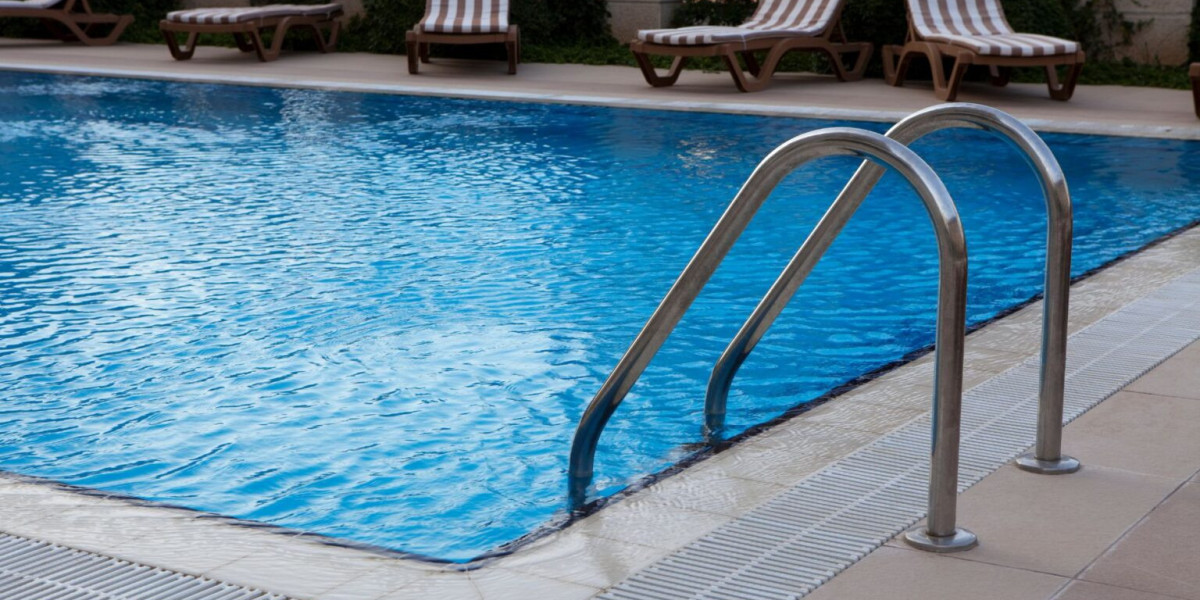

Why Pool Tile and Coping Matter
Pool tile and coping play an important role in both appearance and function. Tile creates a decorative finish around the waterline, while coping forms the protective edge surrounding the pool.
Over time, exposure to water, chemicals, and weather causes damage. Cracked tiles, loose coping, and worn grout reduce both safety and visual appeal. Therefore, replacing these materials becomes necessary for long-term pool care.
What Is Pool Tile?
Pool tile is installed along the waterline and sometimes throughout the pool interior. It protects the surface from staining and mineral buildup.
Tile also improves design by adding texture and color. Many homeowners choose decorative tile patterns to enhance the pool’s appearance.
Common tile materials include:
- Ceramic tile
- Glass tile
- Porcelain tile
- Stone tile
- Mosaic tile
Each option provides a different look and maintenance level.
What Is Pool Coping?
Pool coping is the cap or edge installed around the pool perimeter. It creates a finished border between the pool shell and the surrounding deck.
Coping serves several purposes:
- Prevents water from entering behind the pool shell
- Improves swimmer safety
- Creates a comfortable edge for sitting
- Enhances overall design
Strong coping helps protect the pool structure from water damage.
Signs It’s Time to Replace Pool Tile and Coping
Pool materials wear down with age. Recognizing early warning signs helps prevent larger repairs.
Cracked or Broken Tiles
Cracks allow water to enter behind the tile surface. This may weaken surrounding materials over time.
Damaged tiles also reduce visual appeal.
Loose or Falling Tiles
Tiles should remain secure. Loose sections often indicate adhesive failure or water intrusion.
Replacing loose tile prevents larger structural issues.
Worn or Damaged Coping
Coping may crack, shift, or become uneven. Damaged coping creates tripping hazards and affects safety.
Stains and Discoloration
Mineral deposits and chemical exposure may stain tile surfaces.
Persistent discoloration often signals aging materials.
Water Leaks Around the Pool Edge
Leaks sometimes develop between the coping and pool surfaces. Early replacement prevents moisture damage.
Benefits of Replacing Pool Tile and Coping
Replacing outdated materials offers both practical and visual improvements.
Key benefits include:
- Improved pool appearance
- Increased safety
- Better structural protection
- Enhanced property value
- Reduced maintenance issues
New tile and coping instantly refresh the pool area.
Popular Pool Tile Options
Modern pools offer many tile design choices.
Glass Tile
Glass tile creates a sleek and reflective finish. It works well in luxury pool designs.
Ceramic Tile
Ceramic tile remains affordable and durable. It also comes in many patterns.
Porcelain Tile
Porcelain offers strong durability and low water absorption.
Natural Stone Tile
Stone tile creates a natural and elegant appearance.
Each material suits different design goals.
Popular Pool Coping Materials
Coping materials vary in style, comfort, and durability.
Natural Stone Coping
Stone coping provides a timeless appearance. Popular options include travertine and limestone.
Concrete Coping
Concrete offers affordability and design flexibility.
Brick Coping
Brick creates a classic and traditional look.
Paver Coping
Pavers provide durability and easy replacement if damage occurs.
Selecting the right coping improves both function and style.
How Pool Tile and Coping Replacement Works
The replacement process usually follows several steps.
- Remove damaged pool tile and coping
- Inspect the pool bond beam
- Repair structural areas if needed
- Install new coping material
- Apply new tile and grout
- Seal joints for protection
Professional installation ensures long-lasting results.
How Long Replacement Take
Project timelines depend on pool size and material selection.
Average timelines include:
- Tile replacement: 3–7 days
- Coping replacement: 4–10 days
- Combined projects: 1–2 weeks
Weather and repair needs may extend the completion time.
How to Maintain New Pool Tile and Coping
Proper care extends the life of new materials.
Maintenance tips include:
- Brush tile regularly
- Clean calcium buildup quickly
- Maintain balanced water chemistry
- Inspect grout annually
- Seal natural stone surfaces when needed
Regular care reduces future repair costs.
Final Thoughts
Replacing pool tile and coping improves safety, appearance, and structural protection. Aging materials eventually weaken from exposure to water and daily use.
Recognizing signs of damage early prevents larger issues. With quality materials and professional installation, updated tile and coping can transform the entire pool area into a more attractive and durable outdoor space.