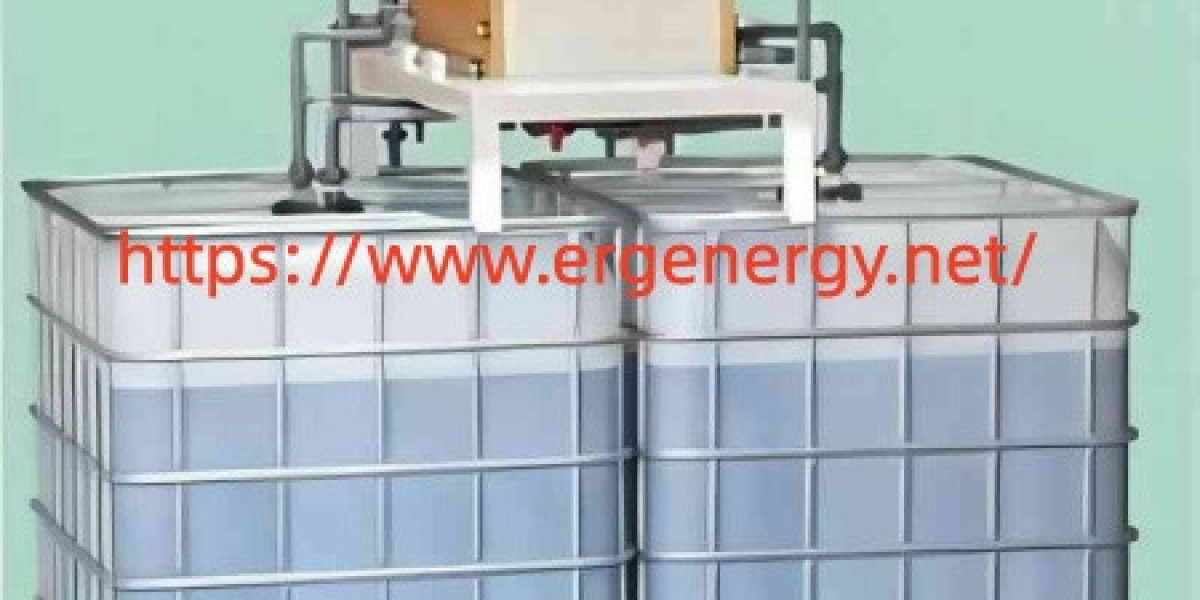

Vanadium Stacks For Energy Storage are a key part of a vanadium redox flow battery, connecting electrochemical reactions with the hydraulic and electrical architecture of the wider installation. Buyers evaluating a stack should look beyond rated power and examine flow distribution, electrode characteristics, membrane selection, bipolar plate materials, sealing, compression, electrical connections, pressure drop, and compatibility with the intended operating conditions. Recent research continues to examine flow field structures because electrolyte distribution, mass transport, hydraulic resistance, and pumping requirements can all influence practical operation.
One of the first points to review is the required power output. A project designed for renewable energy shifting may have different requirements from a commercial microgrid or an industrial installation. Buyers should determine the expected operating current, voltage range, duration, and number of connected cells. These parameters provide a useful foundation for comparing different stack configurations.
Flow distribution deserves particular attention. Electrolyte needs to reach the active electrode area in a controlled and reasonably uniform manner. Poor distribution can create differences across the reaction area and may affect how effectively the active material is used. Recent reviews describe flow field design as an important factor because channel geometry influences mass transfer, pressure drop, and pumping losses.
Buyers can therefore ask manufacturers about channel geometry, flow path design, recommended flow rates, pressure characteristics, and testing methods. A design with lower hydraulic resistance may reduce pumping requirements, while stronger convection can improve material transport. These considerations need to be balanced according to the intended operating conditions rather than evaluated through a single specification.
The electrode is another component worth examining. It provides the reaction surface where electrochemical processes take place, so its structure and material characteristics can influence mass transport and reaction behavior. Buyers can ask about electrode material, thickness, porosity, compression conditions, pretreatment, and compatibility with the selected electrolyte.
The membrane also plays an important role. It separates the two sides of the cell while allowing the required ionic transport. At the same time, limiting unwanted vanadium ion crossover is an important consideration for flow battery operation. Recent membrane research continues to focus on balancing conductivity, selectivity, chemical stability, and mechanical durability.
For buyers, membrane selection should therefore be considered together with the electrolyte formulation and operating conditions. Questions about membrane type, resistance, chemical compatibility, expected operating range, and testing procedures can help create a clearer technical comparison between different suppliers.
Bipolar plates also require careful evaluation. These components provide electrical connections between cells, separate adjacent cells, support the internal structure, and help distribute electrolyte through the flow field. Because the operating environment can involve acidic electrolyte and changing electrical conditions, material selection and corrosion resistance are important engineering considerations.
Sealing is another practical area that can influence stack operation. A stack contains multiple cells, channels, ports, and interfaces, so reliable sealing is necessary to manage electrolyte containment. Buyers can review gasket materials, sealing structures, compression methods, pressure testing, and inspection procedures before finalizing a purchase.
Mechanical compression should not be overlooked. Cell components need to remain properly positioned while maintaining suitable contact between the membrane, electrodes, plates, and other internal parts. Compression that is too low or too high can affect contact conditions and flow characteristics. Manufacturers should be able to provide installation requirements and recommended assembly procedures.
Electrical characteristics should also be clearly defined. Buyers can review rated voltage, current range, internal resistance, connection configuration, and recommended operating conditions. These details help engineers determine how individual stacks can be combined to reach the required system output.
Manufacturing consistency becomes increasingly important when a project uses multiple stacks. Small differences between units can create additional work during installation, testing, and commissioning. Buyers can ask about production controls, inspection procedures, dimensional tolerances, electrical testing, pressure testing, and traceability. Consistent documentation can also make project quality management easier.
Testing data provides another useful reference. Instead of relying only on general product descriptions, project teams can request information about polarization behavior, pressure drop, flow requirements, electrical resistance, and operating temperature. Testing conditions should be reviewed carefully because results can vary depending on electrolyte concentration, temperature, flow rate, current density, and other parameters.
Integration with auxiliary equipment is equally important. A stack does not operate independently. Pumps, piping, tanks, sensors, power conversion equipment, control systems, and monitoring equipment all need to work together. Buyers should confirm connection dimensions, hydraulic requirements, electrical interfaces, control signals, and recommended operating parameters before installation.
Scalability can also influence purchasing decisions. A project may begin with a smaller configuration and expand as electricity demand changes. Buyers considering future growth should ask whether additional stacks can be integrated into the same system architecture and what changes may be required for pumps, piping, controls, or power conversion equipment.
Maintenance planning should be part of the evaluation as well. Buyers can ask about inspection intervals, expected service procedures, replacement components, cleaning requirements, pressure checks, and troubleshooting support. Clear maintenance documentation can help operators establish practical service routines after commissioning.
Ergenergy provides flow battery stacks and related energy storage products for different application requirements. Its product range includes flow battery stacks, energy storage systems, battery components, and laboratory single cell batteries. Customers can evaluate stack configurations according to project power requirements, system architecture, and operating conditions.
Cost should be considered alongside technical characteristics. The purchase price of a stack is only one part of the project budget. Installation, pumps, piping, controls, power conversion equipment, maintenance, spare parts, and commissioning can also influence total project expenditure. A broader comparison can help buyers assess proposals using factors that matter throughout the operating period.
The relationship between stack design and system efficiency is receiving continued attention in current research. Recent work examines how flow channels, electrode compression, mass transfer, and hydraulic behavior interact rather than treating each component as an isolated element. This systems approach is useful for buyers because a component specification needs to make sense within the complete installation.
Before placing an order, buyers can prepare a practical checklist covering required power, operating duration, electrolyte conditions, flow rate, temperature range, electrical configuration, pressure requirements, testing documentation, installation procedures, and maintenance arrangements. Providing this information to the manufacturer can make technical communication more precise and help determine whether a proposed configuration fits the project.
For customers reviewing stack configurations and related products, Ergenergy provides product information through https://www.ergenergy.net/