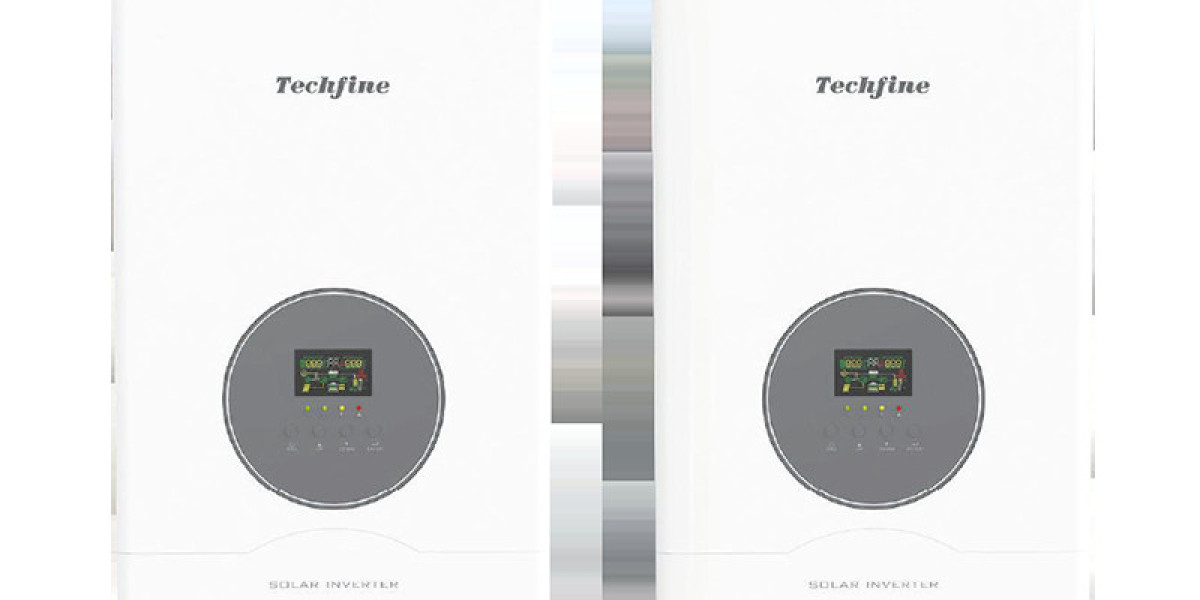

The design and configuration of a PV inverter vary significantly based on the scale and architecture of the photovoltaic installation. The main categories include string inverters, central inverters, microinverters, and hybrid inverters. A string inverter connects a series, or "string," of solar panels to a single inverter unit, offering a cost-effective solution for residential and commercial systems with uniform panel orientation. Central inverters are large-capacity units used in utility-scale solar farms, where multiple panel strings are combined and connected to a centralized conversion point. These represent a different engineering approach within the broader category of PV inverter technology.
Microinverters represent a decentralized design, where a small inverter is attached to each individual solar panel. This allows each panel to operate at its own maximum power point, mitigating the performance loss that can occur in a string when one panel is shaded or soiled. Microinverters also simplify system design and enhance safety by converting DC to AC right at the panel, eliminating high-voltage DC wiring on the roof. Hybrid inverters, or multi-mode inverters, combine the functions of a grid-tied inverter with a battery inverter, managing energy flow between solar panels, a battery bank, and the grid, which is essential for energy storage systems.
The choice of inverter type involves trade-offs between cost, efficiency, reliability, and system flexibility. Factors such as roof shading patterns, future expansion plans, and local electrical codes influence the optimal selection. The continuous innovation in PV inverter topologies and power electronics aims to improve conversion efficiency, reduce physical size, enhance grid-support capabilities, and lower the overall levelized cost of solar energy, driving the technology forward for broader adoption.