
Losing weight can bring important health benefits, but rapid or significant weight loss may sometimes be followed by increased hair shedding. This can happen when the body experiences changes in calorie intake, nutrition, hormones, or physical stress. Understanding why shedding occurs can help you determine whether Hair Loss Treatment in Riyadh may be appropriate for your situation.
Hair loss after weight loss is often temporary, particularly when it is related to a disruption in the normal hair-growth cycle. However, persistent or severe shedding may indicate an underlying nutritional deficiency or another condition that requires evaluation. Hair Loss Treatment in Riyadh can vary depending on the cause, so identifying the reason for hair loss is an important first step.
Why Does Hair Loss Happen After Weight Loss?
Hair follicles require adequate energy and nutrients to maintain normal growth. When weight loss involves a substantial reduction in calories or nutrients, the body may prioritize essential functions over hair production.
This can cause more hairs to enter the resting phase of the growth cycle, followed by increased shedding several weeks or months later.
Rapid weight loss can place physical stress on the body.
Reduced calorie intake may affect hair growth.
Nutritional deficiencies can contribute to shedding.
Hormonal changes may influence the hair-growth cycle.
Hair loss may appear after the initial weight-loss period rather than immediately.
Can Rapid Weight Loss Cause Hair Shedding?
Rapid weight loss is more likely to trigger temporary shedding than gradual weight loss. The body may interpret a sudden reduction in energy or nutrients as a form of physical stress.
This type of shedding is often associated with telogen effluvium, a condition in which more hairs than usual prematurely enter the resting phase.
Shedding may become noticeable after a delay.
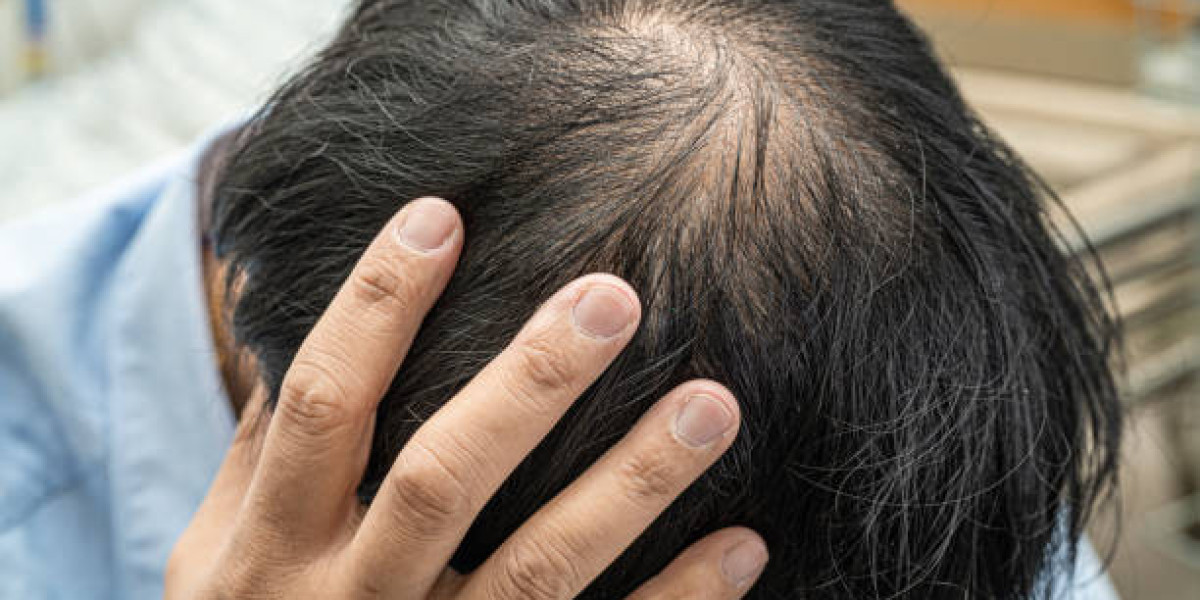
Hair loss is often diffuse rather than limited to one area.
The scalp may become more visible as overall density decreases.
Regrowth may occur after the underlying trigger is addressed.
Can Nutritional Deficiencies Cause Hair Loss?
Nutrition plays an important role in maintaining healthy hair. During restrictive diets or significant weight loss, it may become difficult to consume enough protein, iron, zinc, vitamins, and other nutrients.
Not every person with hair loss has a nutritional deficiency, so testing should be guided by a healthcare professional rather than taking supplements without a known need.
Protein: Hair is primarily made from a protein called keratin.
Iron: Low iron stores may be associated with hair shedding in some people.
Zinc: Adequate zinc supports normal cellular processes.
Vitamins: Several vitamins contribute to normal hair and skin health.
Overall calories: Severe calorie restriction can affect normal hair growth.
Does Weight Loss Affect Hair Growth Cycles?
The hair-growth cycle consists of different phases, including active growth, transition, resting, and shedding. Significant physical stress can shift more hairs into the resting phase.
As these hairs eventually shed, people may notice increased hair fall during brushing, washing, or styling.
The growth cycle can be temporarily disrupted.
Increased shedding may occur weeks or months after the trigger.
New growth can take time to become visible.
Hair density may gradually improve as the cycle normalizes.
How Long Does Hair Loss After Weight Loss Last?
The duration varies from person to person. If shedding is caused by temporary physical stress or nutritional changes, it may gradually decrease after the underlying trigger has been corrected.
Hair grows slowly, so even after shedding improves, visible recovery can take additional time.
Shedding may continue for several months.
New hairs may initially appear short and fine.
Recovery depends on nutrition and overall health.
Persistent shedding should be professionally assessed.
Can Hair Grow Back After Weight Loss?
In many cases, hair shedding related to temporary weight-loss stress can improve once the body receives adequate nutrition and the hair-growth cycle returns to normal. However, recovery depends on the cause.
If weight loss has also revealed an underlying genetic pattern of hair loss, the hair may not fully return to its previous density without appropriate treatment.
Temporary shedding may resolve naturally.
Existing follicles may continue producing new hair.
Underlying hereditary hair loss may require treatment.
Permanent follicle damage requires a different approach.
How Can You Prevent Hair Loss During Weight Loss?
A balanced approach to weight management may help reduce unnecessary stress on the body and support healthy hair growth. Extremely restrictive diets should be avoided unless medically supervised.
Aim for gradual, sustainable weight loss.
Consume sufficient protein.
Include a variety of nutrient-rich foods.
Avoid unnecessarily restrictive diets.
Stay adequately hydrated.
Discuss supplements with a healthcare professional before taking them.
Can Hair Loss Treatments Help After Weight Loss?
Treatment depends on whether the shedding is temporary or caused by another type of hair loss. If nutritional or medical factors are involved, addressing those factors may be more important than immediately using a cosmetic treatment.
For persistent thinning, a specialist may consider options such as topical medications, PRP, or other treatments depending on the condition of the follicles.
Treatment should address the underlying cause.
Existing follicles may be supported when appropriate.
Nutritional problems should be evaluated.
Different causes may require different treatment strategies.
When Should You See a Hair Specialist?
It is advisable to seek professional evaluation if hair loss is severe, continues for an extended period, produces clearly defined bald patches, or occurs alongside other unexplained symptoms.
A specialist can review your weight-loss history, diet, medical background, scalp condition, and pattern of shedding to determine possible causes.
Is Hair Loss After Weight Loss Permanent?
Hair loss caused by temporary physical or nutritional stress is often reversible. However, not every case of hair loss after weight reduction has the same cause.
If the shedding is related to hereditary hair loss, autoimmune disease, scalp inflammation, or another underlying condition, it may require targeted treatment.
Choosing the Right Approach for Post-Weight-Loss Hair Loss
There is no single treatment that is appropriate for everyone experiencing hair loss after weight reduction. The first step is determining whether the shedding is temporary telogen effluvium, nutritional, hereditary, hormonal, or related to another condition.
Once the cause is identified, a personalized plan can be developed to support the health of the remaining follicles. Hair Loss Treatment in Riyadh may include medical or regenerative approaches when persistent thinning requires additional support.
Book a Hair Loss Consultation
If you have noticed significant shedding after losing weight, professional evaluation can help identify the underlying cause and determine whether treatment is necessary. Royal Clinic Saudia can assess your scalp and hair-loss pattern and discuss suitable options based on your individual needs. Hair Loss Treatment in Riyadh can be tailored to address persistent thinning while supporting healthier hair growth.
FAQs:
Is hair loss after weight loss normal?
Temporary increased shedding can occur after significant or rapid weight loss, particularly when the body experiences nutritional or physical stress. Persistent or severe shedding should be evaluated.
How long does hair loss last after losing weight?
The duration varies, but temporary shedding may gradually improve after the underlying trigger is addressed. Visible regrowth can take additional time because hair grows slowly.
Can protein deficiency cause hair loss after weight loss?
Insufficient protein intake can affect normal hair growth. Maintaining an adequate, balanced intake of protein and other essential nutrients is important during weight loss.
Will hair grow back after weight-loss-related shedding?
Hair may grow back when shedding is caused by a temporary disruption of the growth cycle and the follicles remain healthy. If another underlying condition is present, additional treatment may be needed.