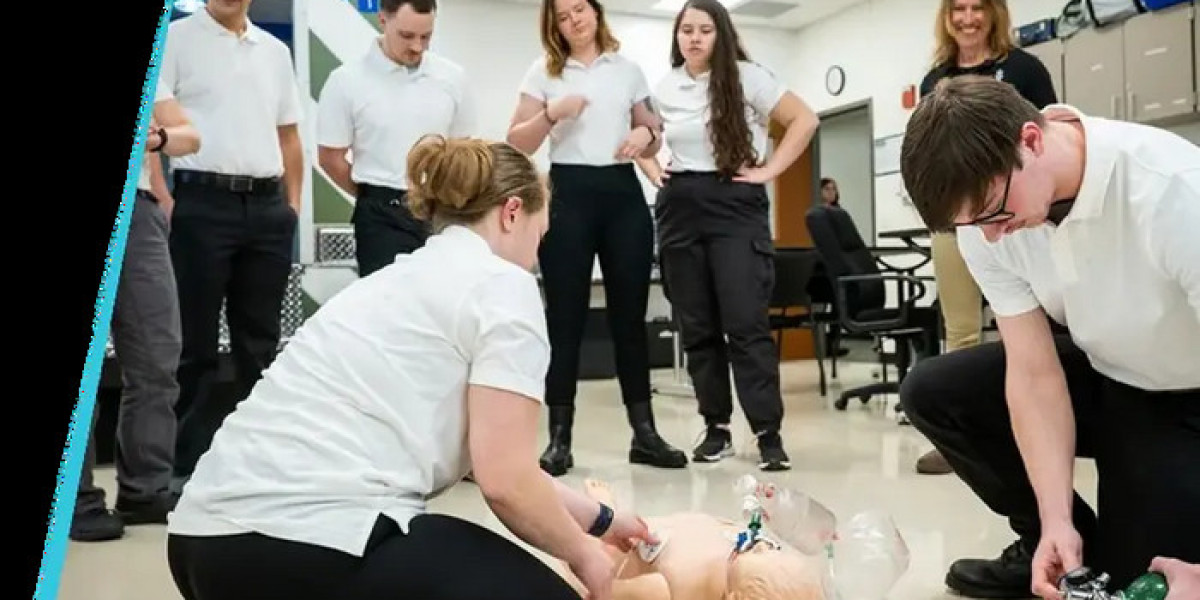

Becoming a certified paramedic requires advanced medical knowledge, practical skills, and the ability to make critical decisions during emergencies. Preparing for the National Registry of Emergency Medical Technicians (NREMT) paramedic examination can feel challenging because candidates must understand complex clinical concepts and apply them to realistic patient scenarios. A structured study plan, regular practice, and reliable educational resources can make preparation more manageable. By focusing on essential subjects, identifying knowledge gaps, and developing sound clinical judgment, aspiring paramedics can build a stronger foundation for their certification journey.
Why Choose a Paramedic NREMT Prep Course?
A well-organized Paramedic NREMT Prep Course can help candidates prepare more efficiently by combining focused subject reviews, practice questions, and scenario-based learning. Instead of studying without a clear direction, students can follow a structured plan that highlights important concepts and encourages them to evaluate their progress. This approach is especially valuable for paramedic candidates who must understand advanced assessment and treatment principles while preparing for a demanding certification examination.
A prep course can also help students recognize weak areas early. For example, a candidate may understand cardiac anatomy but struggle to apply that knowledge when answering questions about rhythm interpretation or patient management. Targeted review and detailed explanations can help connect theoretical information with clinical decision-making.
Preparation resources should complement formal paramedic education and current official NREMT guidance. A course cannot guarantee a passing result, but consistent study and meaningful practice can help candidates approach the examination with greater confidence.
Understanding the Paramedic NREMT Examination
Before beginning an intensive study schedule, candidates should understand the examination requirements that apply to their certification pathway. The NREMT paramedic examination assesses knowledge and decision-making relevant to entry-level paramedic practice. Examination formats, content outlines, and administrative requirements can change, so candidates should confirm current details through official NREMT resources.
Paramedics must demonstrate an understanding of advanced emergency care, including patient assessment, clinical priorities, and appropriate interventions. Preparation should focus on applying knowledge rather than memorizing isolated facts. A candidate should be able to interpret the information in a scenario, recognize significant findings, and select the most appropriate action within the paramedic scope of practice.
Review the current examination content outline before choosing study materials. This helps ensure that your preparation reflects the applicable requirements instead of relying on outdated study guides or assumptions about the exam.
Essential Topics to Study for Paramedic NREMT Prep
A comprehensive preparation plan should cover the major clinical and professional responsibilities associated with paramedic practice. Divide your review into manageable sections so you can study consistently and monitor improvement.
1. Airway, Respiration, and Ventilation
Airway management is a critical component of paramedic practice. Review airway anatomy, respiratory assessment, oxygenation, ventilation, and the recognition of respiratory failure. Understand how to evaluate breathing effectiveness and determine when interventions may be necessary.
Practice questions should encourage you to identify the most important patient findings and prioritize appropriate care. Review advanced airway concepts according to your education, scope of practice, and current clinical guidelines.
2. Cardiology and Resuscitation
Cardiology is an important area of paramedic education. Study cardiac anatomy, circulation, common cardiac emergencies, rhythm recognition, and resuscitation principles. Understand how symptoms, vital signs, and assessment findings influence clinical priorities.
When reviewing electrocardiogram concepts, focus on understanding patterns and their clinical significance instead of relying solely on memorization. Use practice scenarios to strengthen your ability to connect findings with appropriate next steps.
3. Trauma and Emergency Assessment
Trauma preparation should include scene safety, mechanisms of injury, rapid assessment, hemorrhage control, and recognition of life-threatening conditions. Review how to prioritize injuries and reassess patients as their condition changes.
Scenario-based practice can help you distinguish immediate threats from problems that can be addressed later. Always study trauma care according to current educational standards and applicable protocols.
4. Medical Emergencies
Paramedics encounter a wide range of medical emergencies, including neurological, endocrine, respiratory, toxicological, and other acute conditions. Review common presentations, relevant assessment findings, and appropriate treatment priorities.
Rather than memorizing long lists of symptoms, learn how to identify patterns and consider the most urgent threats to the patient. This approach supports better reasoning when questions present unfamiliar combinations of findings.
5. EMS Operations and Professional Responsibilities
Paramedic preparation also involves scene safety, communication, ambulance operations, ethical responsibilities, and professional conduct. Review these areas alongside clinical subjects to maintain a balanced understanding of paramedic practice.
How Practice Questions Improve Exam Readiness
Practice questions are most useful when they help you understand the reasoning behind an answer. Completing a large number of questions without reviewing mistakes may not address underlying knowledge gaps. Instead, use each practice session as an opportunity to evaluate your understanding.
Read every scenario carefully and identify the key information before choosing an answer. Consider the patient's immediate risks, the assessment findings, and the action that best addresses the situation. After submitting your response, review the explanation and compare your reasoning with the principles being tested.
Maintain a record of incorrect answers and group them by topic. If you repeatedly struggle with cardiology, airway management, or patient prioritization, schedule additional review sessions for those areas. Revisit challenging questions later to determine whether your understanding has improved.
Choose reputable practice resources that explain their answers and align with the current certification level. No third-party practice test should be treated as a guarantee of the questions that will appear on the actual examination.
Creating an Effective Paramedic Study Schedule
A realistic schedule can make preparation more consistent, especially for candidates balancing work, family, and clinical responsibilities. Start by determining how much time remains before your planned examination date and how many hours you can reasonably study each week.
Assign specific topics to individual study sessions. For example, dedicate one session to airway management, another to cardiology, and another to trauma assessment. Include time for mixed practice questions and reviewing previous mistakes.
Use weekly progress checks to evaluate your performance. If you are improving in one subject but continuing to struggle in another, adjust your schedule to provide more targeted review. Avoid spending all your study time on familiar topics simply because they feel easier.
Short, consistent sessions may be more manageable than occasional marathon study days. Include breaks, maintain healthy sleep habits, and leave enough time for a comprehensive review before the exam.
Choosing the Right Paramedic NREMT Prep Course
When comparing preparation programs, look for clear explanations, organized lessons, realistic practice scenarios, and resources that reflect current examination guidance. The course should help you understand why answers are correct and how to approach unfamiliar clinical situations.
Consider whether the learning format fits your needs. Some students prefer video lessons and independent practice, while others benefit from live instruction or personalized tutoring. Review course access, available support, pricing, and the relevance of the material before enrolling.
Avoid programs that promise guaranteed results or claim to provide actual secure exam questions. A reliable preparation resource should focus on legitimate learning, clinical reasoning, and knowledge development.
Conclusion
Preparing for paramedic certification takes commitment, consistent practice, and a clear understanding of advanced emergency medical care. A structured prep course can help you organize your studies, strengthen clinical judgment, and identify areas that need additional attention. Combine focused lessons with practice questions, careful review of incorrect answers, and current official NREMT resources to make your preparation more effective. With a realistic study schedule and steady effort, you can work toward your certification goals with greater confidence. Resources from How To NREMT can support your preparation by helping you focus on essential topics, improve your study habits, and build a stronger foundation for the paramedic NREMT examination.
Frequently Asked Questions
1. What is a Paramedic NREMT Prep Course?
It is a structured study program designed to help paramedic candidates review exam topics and practice clinical reasoning.
2. How should I prepare for the paramedic NREMT exam?
Review the current exam outline, study major clinical subjects, complete practice questions, and analyze your mistakes.
3. How long should I study for the paramedic NREMT exam?
Your study timeline depends on your existing knowledge, available time, and progress in practice sessions.
4. Are online paramedic NREMT prep courses effective?
Online courses can be useful when they provide accurate content, clear explanations, and opportunities for consistent practice.
5. Can a prep course guarantee that I will pass the NREMT paramedic exam?
No course can guarantee a passing result, but structured preparation can help you identify weaknesses and strengthen your knowledge.