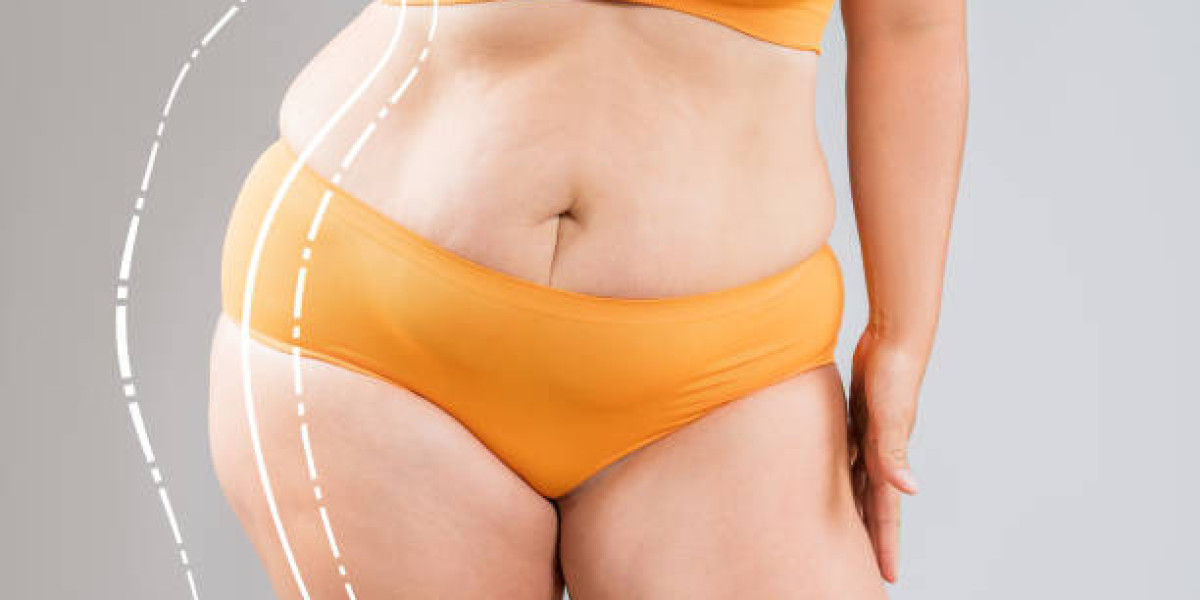

Deciding to have a tummy tuck is an important step that involves more than choosing to improve the appearance of your abdomen. Tummy tuck surgery in Riyadh (عملية شد البطن في الرياض) can address concerns such as excess abdominal skin, loose tissues, and, when appropriate, separated abdominal muscles. Before moving forward, it is helpful to understand candidacy, preparation, recovery, possible risks, and realistic results so you can make an informed decision and prepare for the journey ahead.
What Is the Main Purpose of a Tummy Tuck?
A tummy tuck, or abdominoplasty, is a body-contouring procedure designed to improve the shape and firmness of the abdomen. It can remove selected excess skin and may tighten the abdominal wall when muscle separation or laxity is present.
It Is Not a Weight-Loss Procedure
A tummy tuck is not intended to replace healthy weight management or produce significant overall weight loss. Patients are generally encouraged to reach a relatively stable weight before surgery so the procedure can be planned around a more consistent body shape.
Is Stable Weight Important Before Surgery?
Maintaining a stable weight can help make surgical planning more predictable. Major weight changes after the procedure may stretch abdominal tissues and affect the contour.
Avoid Rapid Weight Changes
If you are actively losing substantial weight, your surgeon may recommend waiting until your weight has stabilized. This can help ensure that the amount of excess skin and the desired contour are assessed more accurately.
Should You Consider Future Pregnancy?
Pregnancy can stretch the abdominal skin and muscles again and may affect the result of a tummy tuck. If you are planning to become pregnant, it is important to discuss your plans during the consultation.
Timing Matters
A tummy tuck may be better suited to someone who has completed planned pregnancies, although individual circumstances vary. Your surgeon can help you consider the timing that best fits your goals.
What Should You Tell Your Surgeon?
Providing complete and accurate information about your health is an essential part of preparing for surgery. Your surgeon should know about previous operations, medical conditions, allergies, medications, supplements, and relevant lifestyle factors.
Be Open About Medications and Nicotine
Some medications and supplements can affect bleeding or healing, while smoking and nicotine use can interfere with tissue recovery. Never stop prescribed medication on your own; instead, ask your healthcare team for specific instructions.
How Should You Prepare Your Body?
Good general health can support the healing process. Maintaining balanced nutrition, staying appropriately active, and following your surgeon's preoperative instructions can help prepare your body for surgery.
Focus on Healthy Habits
Avoid extreme dieting or sudden changes in your routine before surgery. Adequate nutrition is particularly important because the body needs nutrients to support wound healing and recovery.
What Should You Expect From the Procedure?
The exact surgical approach depends on your anatomy and goals. Tummy tuck surgery in Riyadh may involve removing excess skin, tightening the abdominal wall when appropriate, repositioning the remaining skin, and sometimes addressing the belly button.
Different Techniques Suit Different Patients
A full, mini, extended, or specialized tummy tuck may be considered depending on the location and amount of excess skin. Your surgeon should explain why a particular technique is recommended for your body.
What Should You Know About Scarring?
A tummy tuck requires an incision, so a permanent scar should be expected. The location and length depend on the technique and the amount of tissue being removed.
Scars Change Over Time
Tummy tuck scars often appear more noticeable during early healing and gradually mature over time. Following wound-care instructions and protecting healing skin can support the best possible scar development.
What Is Recovery Like?
Recovery requires time and planning. Swelling, tightness, soreness, and temporary limitations on movement can occur during the early stages.
Plan for Help at Home
Arrange assistance with daily tasks, transportation, childcare if needed, and other responsibilities. Having a comfortable recovery area and essential supplies ready can make the early recovery period easier.
When Can You Return to Normal Activities?
The timeline varies depending on the extent of surgery and individual healing. Light movement is often encouraged according to medical guidance, while strenuous exercise, heavy lifting, and certain activities may need to be restricted temporarily.
Follow Your Surgeon's Instructions
Do not use someone else's recovery timeline as your own. Your surgeon can provide personalized guidance about walking, work, exercise, lifting, and other activities based on how your recovery is progressing.
What Results Should You Expect?
A tummy tuck can improve abdominal contour, but it cannot guarantee a perfectly flat stomach or prevent future changes. The final appearance develops gradually as swelling decreases and tissues heal.
Be Realistic About Your Outcome
Results vary according to skin elasticity, body shape, muscle condition, surgical technique, healing, and lifestyle. Understanding these factors before surgery can help you establish realistic expectations.
What Are the Possible Risks?
Like other surgical procedures, a tummy tuck carries potential risks. These can include infection, bleeding, fluid accumulation, wound-healing problems, changes in sensation, unfavorable scarring, and other complications.
Discuss Your Individual Risk Profile
Your surgeon should explain the potential risks and how your personal health may affect them. Following preoperative and postoperative instructions can also help reduce avoidable complications.
What Questions Should You Ask Before Surgery?
A consultation is an opportunity to understand every important part of your treatment plan. Ask about the recommended technique, muscle repair, incision placement, recovery, scar expectations, activity restrictions, follow-up appointments, and possible complications.
Make Sure You Understand the Plan
You should feel comfortable asking questions and discussing concerns before agreeing to surgery. Clear communication helps ensure that your expectations and the surgical plan are aligned.
Book an Appointment at Royal Clinic Saudia
If you are considering a tummy tuck and want to understand whether it is appropriate for your goals, a personalized consultation is an important first step. Royal Clinic Saudia (عيادات رويال كلينك) can evaluate your abdominal concerns, discuss suitable options, and help you prepare for the procedure and recovery.
FAQs
How long should I prepare before a tummy tuck?
Preparation time varies depending on your health, weight stability, medications, lifestyle factors, and the surgical plan. Your surgeon will provide individualized instructions before the procedure.
Should I lose weight before a tummy tuck?
If you still expect to lose a significant amount of weight, your surgeon may recommend reaching a more stable weight first. A tummy tuck is designed for contouring rather than major weight reduction.
What should I avoid before tummy tuck surgery?
You should follow your surgeon's specific instructions regarding nicotine, medications, supplements, nutrition, and physical activity. Do not make medication changes without professional guidance.
How should I prepare for tummy tuck recovery?
Arrange transportation, help at home, appropriate time away from work or strenuous activities, and a comfortable recovery space. Having your postoperative instructions and necessary supplies ready can make recovery more manageable.