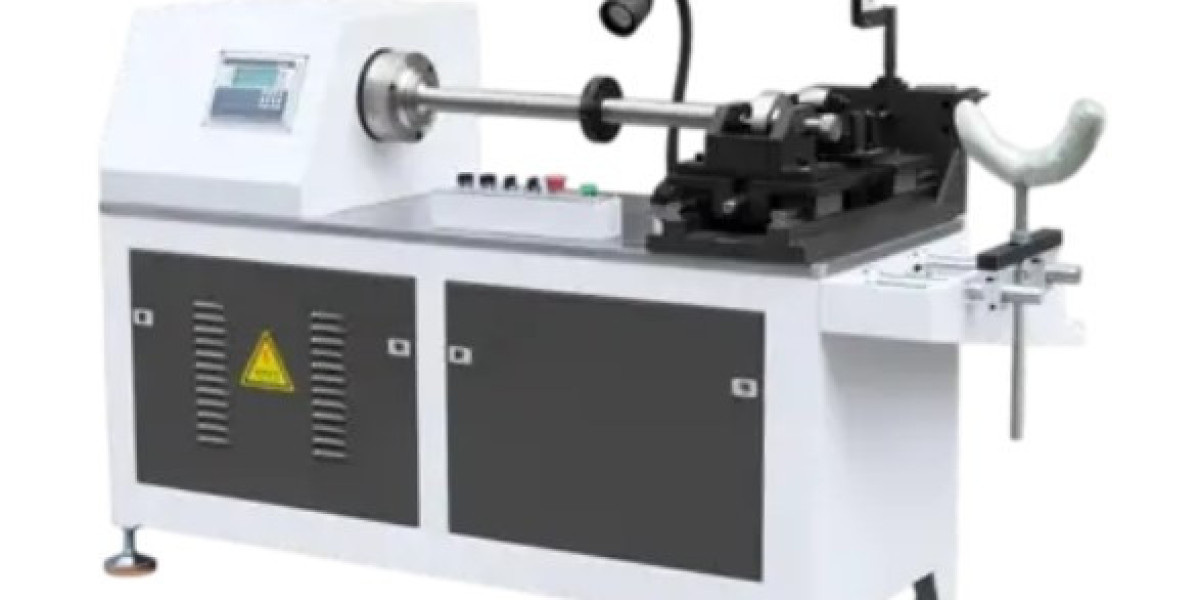

For stainless steel bottle manufacturers, surface finishing can strongly influence the appearance and overall presentation of finished products. Choosing a suitable Wholesale Automatic Polishing Machine can help factories create a more organized finishing process, while a reliable Wholesale Automatic Polishing Machine can support consistent polishing results across repeated production batches. When evaluating equipment, manufacturers should consider bottle dimensions, surface requirements, production volume, automation level, operating convenience, and how easily the machine can fit into the existing workshop.
Create A More Consistent Surface Finish
A polished stainless steel bottle requires a controlled finishing process to achieve a smooth and visually consistent surface. When polishing is performed manually, results may vary because of differences in operator experience, pressure, movement, and working time.
Automated polishing equipment can provide a more repeatable process for factories handling regular production. By following a defined operating sequence, the machine can help reduce unnecessary variation between workpieces and make the finishing stage easier to manage.
Consistency is particularly useful when manufacturers produce large quantities of similar bottles. A stable polishing process allows quality teams to inspect products according to clearer expectations while helping production workers maintain a predictable workflow.
Ykbaowenbeijix For Efficient Finishing Operations
Equipment selection should reflect the actual needs of the production floor. Manufacturers may need to consider available space, bottle models, expected output, workforce arrangements, and the relationship between polishing and other manufacturing stages.
An automated polishing solution can help reduce repetitive manual operations and allow workers to focus more on machine supervision, product handling, and quality checks. This can make better use of available labor without making the production process unnecessarily complicated.
For wholesalers and manufacturers, another consideration is whether the equipment can support ongoing production demand. A machine that matches the factory's workload can help create a more balanced finishing process and make production planning easier.
Match Polishing Equipment With Bottle Designs
Not every stainless steel bottle has exactly the same shape or surface requirements. Differences in diameter, height, structure, and exterior design can affect how polishing equipment should be configured.
Before purchasing machinery, manufacturers should review the dimensions and types of bottles they commonly produce. Understanding these requirements can help buyers select equipment that fits their product range more effectively.
It is also useful to consider future product development. If a factory expects to introduce additional bottle models, equipment flexibility may become an important part of the purchasing decision. Planning for possible changes can reduce the need for frequent equipment replacement.
Improve Batch Production Management
Batch manufacturing requires a production process that can be monitored and repeated efficiently. When polishing conditions are inconsistent, manufacturers may need to spend additional time checking surfaces or correcting products.
Automated equipment can help establish a clearer polishing routine. Production teams can organize work according to defined batches and create inspection procedures around the finishing process.
Better batch management can also support inventory planning. When production teams have a clearer understanding of processing capacity, they can coordinate polishing schedules with other operations and reduce unnecessary waiting between manufacturing stages.
For businesses supplying different customers, an organized finishing process can make it easier to respond to repeat orders while maintaining similar product presentation across different batches.
Plan For Long-Term Equipment Value
Purchasing an automatic polishing machine should be viewed as part of a long-term manufacturing strategy. Initial equipment cost is important, but manufacturers should also consider operating efficiency, maintenance requirements, training needs, production capacity, and compatibility with the existing workshop.
Regular maintenance can help keep equipment operating under suitable conditions. Operators should also receive clear instructions for daily operation and routine checks. A well-managed machine is more likely to provide stable support throughout extended production use.
As stainless steel bottle production develops, factories may need to increase output or introduce new designs. Choosing equipment with practical automation and suitable processing flexibility can provide a useful foundation for future improvements.
For manufacturers and wholesalers looking to improve stainless steel bottle finishing and organize polishing operations more efficiently, exploring the right equipment configuration is a worthwhile step. Learn more about related machinery and production solutions at https://www.ykbaowenbeijix.com/ .