
The sports apparel industry is increasingly influenced by changing consumer expectations around sustainability, personalization, and product innovation. Sponsorship has become an important platform for communicating these developments, allowing apparel brands to connect products with athletes, teams, competitions, and broader sporting communities.
The Sports Sponsorship on Apparel Clothing and Accessories Market is projected to expand from approximately USD 7.596 billion in 2025 to USD 14.94 billion by 2035, with a CAGR of 7.0% during the forecast period.
Sustainability Becomes More Visible
Environmental considerations are increasingly relevant to apparel consumers. Sportswear brands are exploring recycled fibers, lower-impact production methods, responsible sourcing, and more sustainable packaging.
Sponsorship campaigns can provide a platform for communicating these initiatives. For example, partnerships with sporting events or athletes can incorporate sustainability themes into merchandise, promotional content, and community programs.
Sustainable Sports Merchandise
Sports merchandise is evolving alongside broader apparel trends. Consumers may increasingly seek products that combine team or athlete identity with materials and manufacturing approaches aligned with environmental considerations.
This creates opportunities for brands to introduce sustainability-focused collections connected with sporting events and partnerships.
Innovation Supports Product Differentiation
Product innovation is another factor influencing sponsorship strategies. Apparel companies are developing products that combine performance characteristics with everyday fashion appeal.
Sports sponsorship can help introduce these products to consumers by placing them in real sporting environments. Athlete partnerships can also provide opportunities to demonstrate product functionality during training and competition.
Athleisure Expands the Consumer Base
The continued popularity of athleisure is blurring the distinction between sportswear and everyday clothing. Consumers increasingly wear athletic-inspired products outside traditional sporting activities.
This trend creates opportunities for sponsorship campaigns to target not only professional athletes and sports enthusiasts but also consumers interested in lifestyle fashion.
E-Sports and New Communities
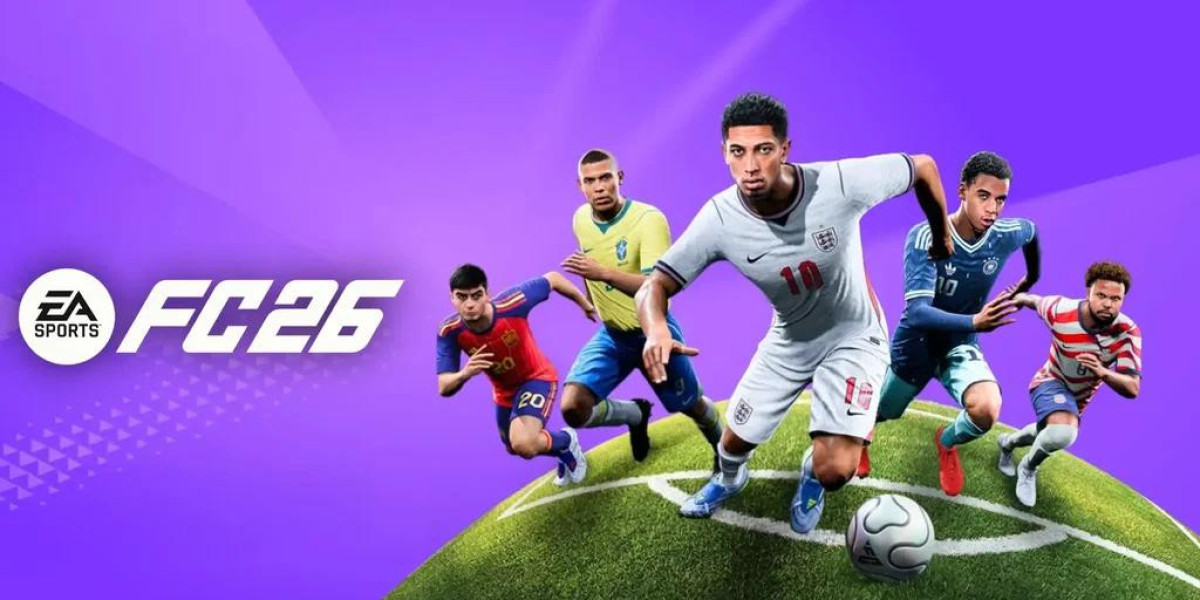
E-sports provides another route for brands seeking to reach digitally engaged audiences. Apparel and accessories companies can explore sponsorship opportunities involving gaming competitions, teams, creators, and online communities.
These partnerships demonstrate how the sponsorship landscape is expanding beyond conventional sporting environments.
Personalization Strengthens Fan Connections
Customization can also support sponsorship-driven merchandise. Personalized jerseys, accessories, limited collections, and athlete-inspired products allow consumers to express connections with teams and sporting personalities.
Digital technologies can further support customization by allowing shoppers to select designs, names, numbers, or other product attributes.
Regional Expansion
North America represents a major market for sports sponsorship on apparel and accessories, while Europe and Asia-Pacific provide additional growth opportunities. Increasing sports participation, digital engagement, and interest in sports-inspired fashion can contribute to market development across different regions.
Future Market Direction
The future of sports apparel sponsorship is increasingly connected with sustainability, technology, personalization, and digital engagement. Brands are moving toward sponsorship campaigns that combine visibility with consumer participation and product experiences.
As sports and fashion continue to overlap, sponsorship can remain an important mechanism for introducing innovative apparel and strengthening connections between brands and sporting communities.
Frequently Asked Questions
1. Why is sustainability becoming relevant to sports apparel sponsorship?
Sustainability can influence product development, merchandise, sourcing, packaging, and the messaging used in sponsorship campaigns.
2. How is athleisure influencing the market?
Athleisure expands the use of sports-inspired clothing beyond exercise and competition, increasing opportunities for brands to reach lifestyle-oriented consumers.
3. What role does personalization play in sports merchandise?
Personalization allows consumers to create products connected with athletes, teams, events, or individual preferences, supporting stronger fan engagement.