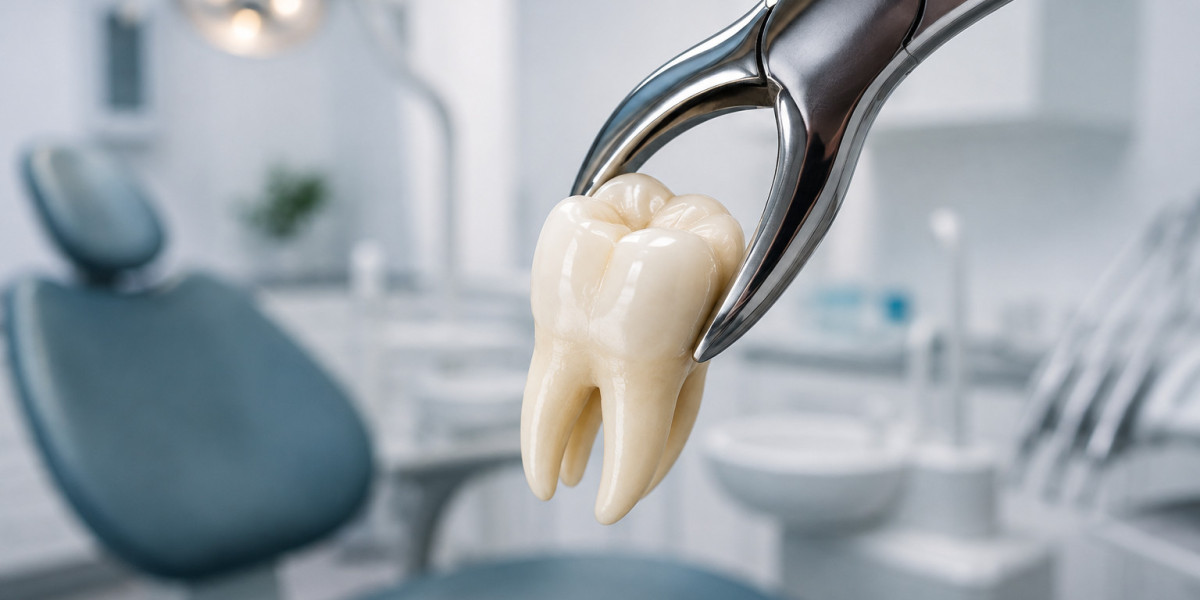

When severe tooth pain, facial swelling, a broken tooth, or a serious dental infection develops suddenly, emergency tooth extraction charlotte nc may become necessary when the affected tooth cannot be safely restored. Extraction is not automatically the first treatment for a painful tooth; a dentist will typically examine the tooth, evaluate the surrounding tissues, and determine whether it can be saved. When preservation is no longer practical, removing the damaged tooth can help control infection, relieve pressure, and protect surrounding oral structures.
For Charlotte residents experiencing a serious dental problem, getting evaluated promptly is important. Delaying treatment can allow decay, infection, or trauma to become more complicated. A professional dental evaluation can determine whether extraction, a restorative procedure, root canal treatment, or another approach is appropriate.
What Is an Emergency Tooth Extraction?
An emergency extraction is the removal of a tooth when immediate or prompt dental treatment is necessary because of severe damage, infection, trauma, or another urgent condition.
Common situations that may require urgent evaluation include:
A severely cracked or fractured tooth
Extensive decay that has destroyed much of the tooth
A dental abscess or significant infection
Severe pain that cannot be controlled with ordinary measures
A loose tooth caused by major trauma
Advanced gum disease resulting in substantial tooth instability
A damaged wisdom tooth causing swelling or infection
A tooth that cannot be restored with conventional treatment
The important distinction is that severe tooth pain does not automatically mean extraction is required. Dentists generally consider whether the natural tooth can be preserved before recommending removal.
Signs That a Dental Problem Should Not Wait
Certain symptoms indicate that professional dental assessment should happen quickly. Persistent or worsening tooth pain is one warning sign, particularly when it is accompanied by swelling, sensitivity, drainage, or difficulty chewing.
Other concerning symptoms include swelling around the jaw or face, fever, a bad taste in the mouth, visible pus, uncontrolled bleeding, or a tooth that has been significantly displaced after an injury.
Difficulty breathing or swallowing, rapidly increasing facial or neck swelling, or signs of a severe systemic illness require emergency medical attention rather than waiting for a routine dental appointment.
Understanding these warning signs can help Charlotte-area residents distinguish between an ordinary dental concern and a problem that may require immediate professional care.
Why Untreated Tooth Decay Can Become an Emergency
Tooth decay often develops gradually, but advanced decay can eventually expose the inner portions of the tooth. Once bacteria reach deeper tissues, inflammation and infection may cause intense pain.
The CDC reports that approximately 21% of adults ages 20 to 64 had at least one untreated cavity based on 2017–March 2020 national surveillance data.
Untreated cavities can progress to abscesses and serious infections. The CDC notes that dental infections can spread beyond the mouth and, in rare circumstances, cause life-threatening complications.
This is why waiting for pain to disappear on its own is not a reliable solution. Pain may temporarily decrease while the underlying infection continues to develop.
When Can a Tooth Be Saved?
Dentists do not recommend extraction simply because a tooth hurts. The goal is generally to preserve natural teeth whenever a predictable treatment option exists.
Depending on the condition, possible alternatives may include a filling, crown, root canal treatment, periodontal therapy, or another restorative procedure. The decision depends on factors such as the amount of healthy tooth structure remaining, the location of infection, bone support, the condition of the surrounding tissues, and the patient's overall dental needs.
If a tooth is too damaged to restore or poses an ongoing infection risk, removal may provide a safer long-term solution.
What Happens During an Emergency Dental Evaluation?
An urgent dental visit generally begins with a discussion of symptoms and medical and dental history. The dentist may examine the affected tooth and surrounding tissues and may use dental X-rays or other diagnostic imaging when necessary.
The evaluation helps determine:
What is causing the pain or swelling.
Whether an infection is present.
Whether the tooth can be restored.
Whether extraction is necessary.
What treatment should follow the procedure.
This approach is important because treating pain without identifying its underlying cause may only provide temporary relief.
Why Charlotte Residents Should Seek Local Dental Care Promptly
Access to appropriate dental care can make a significant difference when a problem becomes urgent. The American Dental Association estimates that there are more than 2 million hospital emergency-department visits for dental pain each year in the United States. The ADA also explains that hospital emergency departments generally cannot provide comprehensive dental treatment because most do not have dentists available to address the underlying dental problem.
For residents of Charlotte and surrounding communities, seeking appropriate dental care can help address the actual source of the problem rather than simply managing symptoms.
A nearby dental provider can evaluate the condition, explain available treatment options, and determine whether the tooth should be preserved or removed.
What to Do Before Reaching the Dentist
Until professional care is available, avoid placing aspirin directly against the gums because it can irritate oral tissues. Keep the area as clean as possible and follow appropriate over-the-counter pain-relief directions if those medications are safe for you.
If a tooth has been knocked out because of an injury, handle it carefully by the crown rather than the root and seek urgent dental advice. Do not attempt to pull a damaged tooth yourself.
If swelling is significant or accompanied by breathing or swallowing difficulties, seek emergency medical attention immediately.
The Importance of Preventing Future Dental Emergencies
Many dental emergencies develop from conditions that could have been identified earlier. Regular dental examinations, daily brushing with fluoride toothpaste, flossing, limiting frequent sugar exposure, and addressing small cavities or damaged teeth promptly can reduce the likelihood of severe problems.
The CDC emphasizes that untreated oral disease can cause pain and infection and affect eating, speaking, learning, and overall quality of life.
Preventive care is therefore more than maintaining a healthy smile. It can help identify dental problems before they become painful or require more extensive treatment.
A Lasting Reminder About Oral Health
The importance of dental health extends beyond the mouth. The U.S. Surgeon General's landmark Oral Health in America report emphasized the connection between oral health and overall health, stating: “You cannot be healthy without oral health.”
That message remains relevant when dealing with sudden dental pain. Prompt evaluation can help prevent a manageable problem from developing into a more serious condition.
Final Thoughts
A damaged, infected, or severely painful tooth should never be ignored simply because symptoms temporarily improve. Professional evaluation is the best way to determine whether the tooth can be saved or whether removal is the safest option.
For people seeking urgent dental attention in Charlotte, Emergency Dentist in Charlotte provides a local option at 1824 East Arbors Drive, Charlotte, NC. When a dental problem becomes severe, timely professional assessment can help reduce complications and put patients on the path toward appropriate treatment and recovery.