
Wheels are one of the first things people notice on a vehicle. They affect the overall appearance, but their role goes far beyond visual appeal. A well-designed wheel needs to support the vehicle properly, handle road conditions, and work with the tires and suspension system. This is why Machined Wheels have attracted attention among vehicle owners, manufacturers, and customization enthusiasts.Get more news about Machined Wheels,you can vist our website!
Machined wheels are produced using machining processes to create precise surfaces and detailed designs. Depending on the manufacturing method, machining can be used to shape specific areas of the wheel, refine the finish, or create a distinctive visual effect. In my opinion, the combination of precision and appearance is one of the most interesting features of this type of wheel.
What Are Machined Wheels?
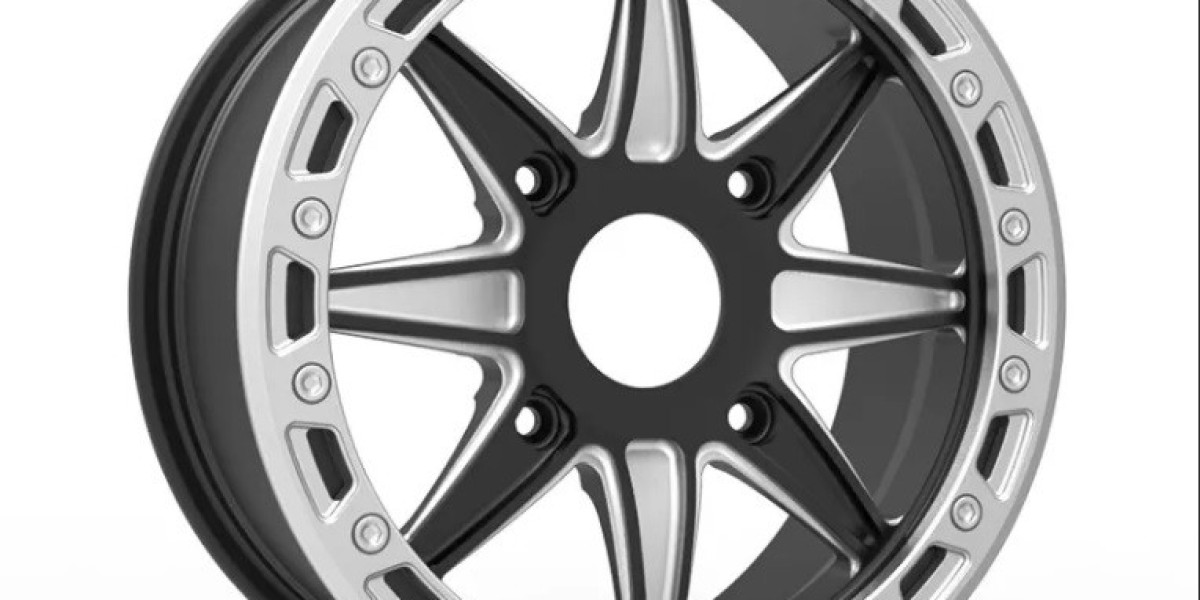
Machined Wheels are wheels that have undergone precision machining during production. The process may involve cutting or refining selected surfaces to achieve accurate dimensions and a particular finish.
Compared with a basic cast finish, a machined surface can provide sharper lines and more visible details. For example, the face of the wheel may have carefully defined edges, while the machined sections can contrast with painted or coated areas.
This gives designers more freedom when creating different wheel styles. A wheel does not have to look overly complicated to stand out. Sometimes, clean machining lines and a simple spoke pattern can create a more refined appearance.
Precise Manufacturing Matters
One of the key characteristics of Machined Wheels is dimensional precision. Wheel dimensions need to be carefully controlled because the product must work correctly with the vehicle's hub, brake system, tires, and suspension components.
Important specifications can include wheel diameter, width, offset, bolt pattern, center bore, and load capacity. Small differences in these areas can affect fitment, so buyers should always confirm the required specifications before purchasing.
From my perspective, this is where machining adds real value. A good-looking wheel is not enough. The manufacturing process also needs to deliver consistent dimensions and a reliable finished product.
A Distinctive Surface Finish
Machined surfaces can give wheels a unique visual character. Depending on the design, machining may create a bright metallic surface or highlight specific sections of the spokes.
Some wheels combine machined areas with painted, powder-coated, or polished sections. This creates contrast without relying on excessive decoration.
The result can look particularly attractive when the vehicle is moving because the machined sections catch the light differently from the surrounding surfaces. It is a small detail, but it can make the entire wheel design feel more dynamic.
Suitable for Different Vehicle Applications
Machined Wheels can be used across a variety of vehicle types, depending on their specifications and load ratings. Passenger cars, performance vehicles, SUVs, and other applications may use different wheel designs and sizes.
For daily vehicles, practical considerations such as durability, weight, corrosion resistance, and easy maintenance may be more important than aggressive styling. For customized vehicles, appearance and design flexibility may receive more attention.
This makes it important to select wheels based on the actual vehicle rather than choosing only by appearance.
Durability and Surface Protection
A wheel is constantly exposed to road debris, moisture, dust, brake particles, and changing weather conditions. Because of this, surface protection is an important part of wheel design.
Machining itself does not automatically make a wheel more resistant to corrosion or damage. The final finish and protective coating also matter. Proper surface treatment can help protect exposed areas and maintain the appearance of the wheel over time.
Regular cleaning is useful as well. Brake dust and road dirt should not be allowed to build up for long periods, particularly on wheels with detailed machined surfaces.
What Should Buyers Check?
Before buying Machined Wheels, I recommend checking more than the visual design. Confirm the correct diameter and width, bolt pattern, offset, center bore, and load rating. It is also worth checking whether the wheel is compatible with the vehicle's brake components and tires.
The manufacturing material and production method should also be considered. Different wheel construction methods can influence weight, strength, cost, and application suitability.
If the vehicle is frequently driven on rough roads or carries heavy loads, practical specifications should take priority over appearance.