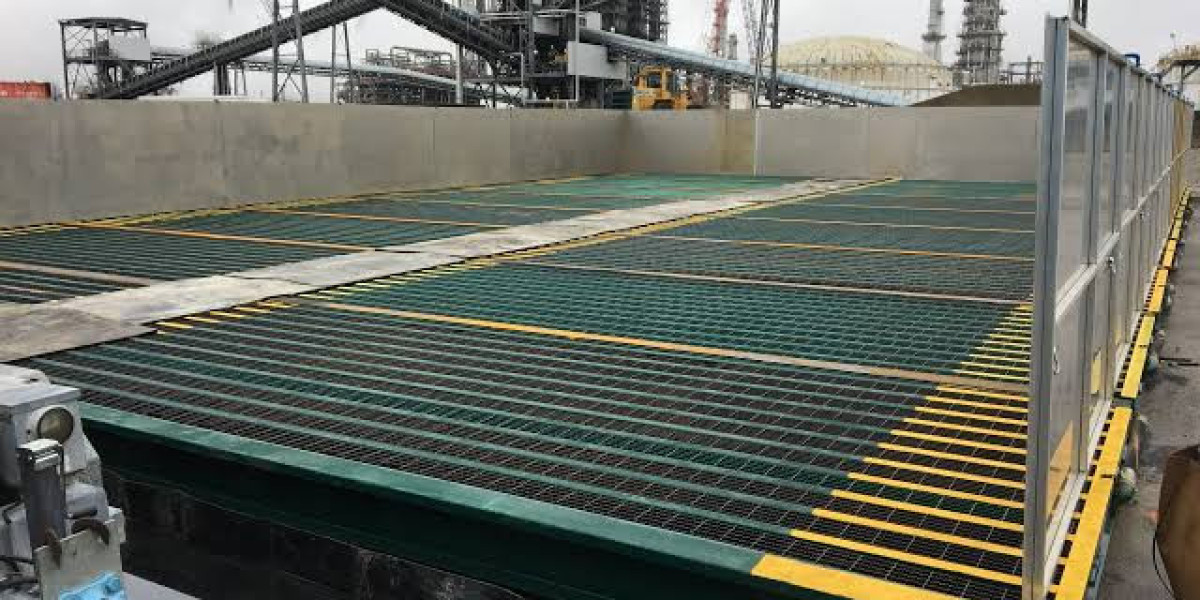

Why Your Facility Needs a Dedicated Wash Pad System
Maintaining a fleet of commercial vehicles and heavy industrial machinery is a demanding endeavor. Dirt, grime, oil, and chemical residue accumulate rapidly on equipment, affecting both performance and longevity. However, cleaning this machinery presents its own set of challenges, particularly when it comes to wastewater management. Industrial operators are under immense pressure to prevent contaminated runoff from leaching into the soil or municipal storm drains. For facilities aiming to optimize their cleaning operations while strictly adhering to EPA and local environmental regulations, investing in custom-designed equipment wash pads is no longer optional—it is a foundational necessity. Built around the operational needs of commercial and industrial facilities, these robust containment platforms integrate seamlessly with advanced wash water recycling solutions. Utilizing field-tested technology with zero use of harsh chemicals, ozone, or enzymes, our systems help commercial and industrial facilities reduce water costs, meet environmental standards, and keep operations running without interruption.
Operating without a dedicated wash pad exposes industrial facilities to severe operational and legal risks. A properly engineered wash pad serves as the first line of defense in responsible wastewater management, providing a designated, contained zone where heavy machinery can be thoroughly cleaned without negative environmental impact.
Environmental Compliance and Wastewater Containment
The primary function of any industrial wash pad is absolute containment. When you wash construction equipment, mining vehicles, or agricultural machinery, the runoff is heavily laden with hydrocarbons, heavy metals, suspended solids, and chemical residues. Allowing this untreated effluent to enter storm drains or seep into the groundwater violates the Clean Water Act and local environmental mandates, potentially resulting in crippling fines and forced operational shutdowns. Wash pads are engineered to capture the wash water, channeling it into a specialized trough, sump pit, or trenching system. This containment ensures that hazardous runoff is safely corralled for proper treatment, whether destined for approved sanitary sewer discharge or on-site closed-loop recycling.
Protecting Equipment and Prolonging Lifespan
Beyond regulatory compliance, dedicated wash pads play a critical role in preventative maintenance. Heavy accumulations of mud, corrosive salts, and chemical debris accelerate rust and mechanical wear on expensive industrial assets. Providing a dedicated space for regular, high-pressure cleaning ensures that crucial components like undercarriages, hydraulics, and engine compartments are kept free of abrasive materials. When your team has a safe, non-slip, and well-drained surface to work on, maintenance becomes far more efficient. In turn, routine washing extends the lifespan of your fleet, reduces the frequency of mechanical failures, and maximizes your return on investment.
Customizing Wash Pads for Your Operational Needs
Every industrial facility operates differently, meaning a one-size-fits-all approach to wash bays is rarely effective. Custom equipment wash pads are built around the specific daily workflows, equipment dimensions, and traffic patterns of your operation, ensuring maximum efficiency and safety.
Load Capacities: From Light-Duty to Heavy Machinery
The structural integrity of a wash pad must align with the weight of the equipment it supports. Wash pads are typically engineered in distinct load capacities: light-duty for standard fleet vehicles, medium-duty for delivery trucks and commercial mowers, and heavy-duty for massive construction excavators, bulldozers, and military vehicles. Heavy-duty wash pads are often constructed using durable 3/16” or 1/4” steel plate, capable of supporting immense surface loads—some portable systems are rated for up to 150 tons without buckling or warping. By calculating the maximum axle weight of your heaviest machinery, engineers can customize a pad that provides a safe, unyielding foundation for decades of daily use.
Layout, Sizing, and Splash Wall Configurations
Space and layout are equally critical. Standard custom wash pads are available in sizes ranging from 4' x 6' up to 15' x 40', but modular interlocking designs allow for virtually infinite scalability. Facilities must account for the turning radius of their vehicles, the placement of wash wands, and the need for drive-through versus back-in configurations. Furthermore, managing overspray is a major component of site organization. Optional 4' to 8' splash walls can be integrated into the pad's perimeter. These robust barriers prevent contaminated mist and debris from migrating outside the wash zone, keeping the surrounding property clean and protecting nearby workers from hazardous splash-back.
Integrating Advanced Water Recycling Technology
Capturing wash water is only half the battle; managing it effectively is where real operational efficiency is realized. Modern facilities are rapidly moving away from costly "pump and haul" disposal methods, choosing instead to pair their wash pads with state-of-the-art water treatment systems.
The Power of Closed-Loop Systems
For facilities located in regions with strict water usage restrictions or limited access to municipal sewage lines, closed-loop wash water recycling is a game-changer. In a closed-loop configuration, the wash pad directs dirty water into a sedimentation trap to settle out heavy solids. The water is then pumped into an advanced recycling unit that filters out micro-particles, removes free oils, and purifies the water for immediate reuse. This closed-loop process can help facilities reduce their fresh water consumption and cleaning agent costs by up to 90%. Over time, the massive reduction in both municipal water bills and wastewater disposal fees results in a rapid return on investment, while drastically lowering the facility's environmental footprint.
Chemical-Free Treatment: The Electrical-Physical Principle
Historically, treating industrial wash water required complex dosing of chemical coagulants, sensitive biological enzymes, or hazardous ozone generators. These methods are not only expensive to maintain but also introduce new safety risks to the workplace. Leading-edge systems now rely on a chemical-free, electrical-physical treatment principle. By utilizing hydro-cyclones, dissolved air flotation, and a proprietary two-stage degerming process, these systems naturally separate dirt and eliminate odor-causing bacteria without adding foreign substances. Because there is zero use of harsh chemicals, ozone, or enzymes, your team can manage polluted wash water with a highly dependable, easy-to-maintain process that keeps operations running without interruption.
Permanent vs. Portable Wash Pad Solutions
When planning a wash station, facility managers must decide between a permanent concrete installation and a modular, above-ground system. The right choice depends entirely on the permanence of the job site and the facility's long-term operational strategy.
Concrete Sloped Pads for Permanent Installations
For commercial facilities, golf courses, and industrial plants that own their property and have established, long-term workflows, permanent concrete wash pads are often the preferred route. These systems are custom-poured and precisely sloped to direct wastewater into central trench drains and subsurface sump pits. Concrete offers unmatched durability for high-volume, multi-hose wash operations. When designing a permanent pad, careful coordination with local contractors is required to integrate subsurface plumbing, oil/water separators, and silt traps. A well-designed concrete wash bay becomes a permanent, highly efficient fixture of the facility's daily maintenance routine.
Modular Metal Pads for Remote or Evolving Sites
Conversely, many operations require flexibility. Construction companies, military deployments, and businesses leasing their facilities often cannot justify the capital expense and permitting required for permanent concrete excavation. Portable, above-ground steel or aluminum wash pads provide the perfect alternative. These modular platforms can be deployed quickly on any flat surface, requiring no extensive plumbing or trenching. Because they sit above ground, they are classified as portable equipment rather than permanent real estate fixtures. If your project finishes or your business relocates, the wash pad can simply be dismantled, loaded onto a flatbed trailer, and transported to the next site. This mobility ensures that your investment in environmental compliance travels with you wherever your operations take you.
Designing a Wash Bay that Maximizes Efficiency
A wash pad is not an isolated piece of equipment; it is part of a broader site maintenance ecosystem. Proper planning and integration are essential to ensure the wash bay operates seamlessly without bottlenecking other facility operations.
Strategic Site Planning and Workflows
The location of your wash pad dramatically impacts facility efficiency. Wash pad placement is carefully planned around fueling stations, blow-down zones, and chemical storage areas to create a logical workflow for equipment returning from the field. By clustering these maintenance tasks, operators minimize the time vehicles spend traveling across the yard. Additionally, thoughtful site planning must account for utility access—ensuring ample power supply for pressure washers and water recycling pumps, as well as safe ingress and egress paths for heavy machinery. Custom on-and-off ramps can be designed to match the specific clearance requirements of your fleet, ensuring safe and smooth transitions onto the pad.
Maintenance and Long-Term Reliability
Even the most robust wash pad requires routine maintenance to function optimally. When designing a system, ease of clean-out must be a top priority. High-quality wash pads feature removable non-slip grating, allowing operators easy access to internal trenches or troughs to shovel out accumulated mud, grass clippings, and heavy debris. By pairing the pad with a reliable oil/water separator and a low-maintenance recycling unit, facilities can ensure their wash station remains fully operational day in and day out. Comprehensive training for your maintenance staff on how to properly clear the sedimentation traps and monitor the automated filtration system guarantees long-term reliability and prevents costly downtime.
Conclusion
Navigating the complexities of industrial wastewater management requires more than just high-pressure water and a drain; it demands a strategic, compliant, and highly efficient infrastructure. Custom-engineered equipment wash pads provide the indispensable foundation for environmentally responsible machinery maintenance. Whether you require a permanent sloped concrete installation for a bustling logistics hub or a portable, heavy-duty steel platform for a remote construction site, the right wash pad will protect your property, extend the life of your fleet, and shield your business from regulatory liabilities.