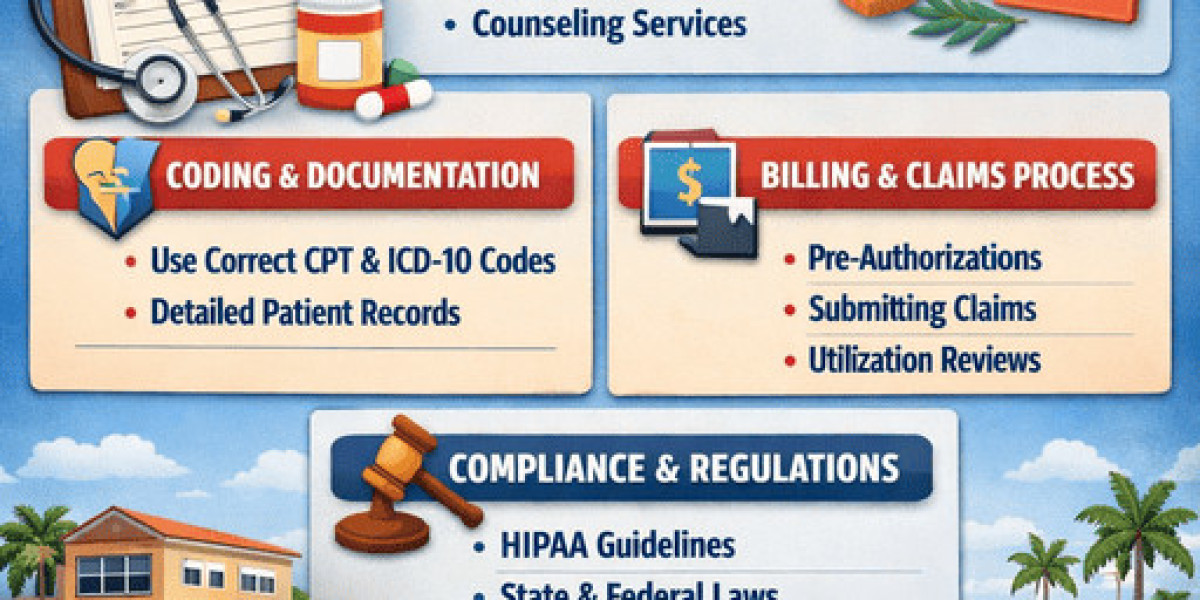

Introduction
Behavioral health and addiction treatment providers across the USA face unique financial and administrative challenges. While the demand for treatment programs continues to grow, managing reimbursements, insurance claims, compliance requirements, and documentation standards has become increasingly complex. For many rehabilitation centers, outpatient treatment facilities, and counseling practices, accurate billing is just as important as delivering quality patient care.
This is where a specialized substance abuse disorder SUD billing company becomes essential. Unlike traditional billing providers, these specialists understand the complexities of addiction treatment reimbursement, payer regulations, coding requirements, and documentation standards specific to behavioral health services.
A well-managed billing process can improve cash flow, reduce claim denials, and help providers focus on patient recovery rather than administrative burdens. Understanding how specialized billing works can help organizations make informed decisions that support both financial stability and quality care.
Understanding Substance Abuse Billing in Today's Healthcare Environment
Addiction treatment services involve multiple levels of care, including:
- Detoxification programs
- Residential treatment
- Partial hospitalization programs (PHP)
- Intensive outpatient programs (IOP)
- Medication-assisted treatment (MAT)
- Individual counseling
- Group therapy
- Family therapy
Each level of care has unique billing requirements, authorization processes, and payer-specific guidelines. Effective substance abuse billing requires detailed knowledge of these treatment models and the corresponding reimbursement structures.
Insurance companies frequently update their policies regarding behavioral health coverage. As a result, providers must remain compliant while ensuring claims are submitted accurately and promptly.
Why Specialized Substance Abuse Billing Companies Are Important
Many healthcare organizations attempt to manage billing internally. However, addiction treatment billing often requires specialized expertise that general billing teams may not possess.
Professional substance abuse billing companies understand:
Complex Insurance Requirements
Behavioral health claims often require:
- Prior authorizations
- Continued stay reviews
- Medical necessity documentation
- Treatment plan verification
- Utilization management coordination
Failure to meet these requirements can result in delayed payments or denied claims.
Regulatory Compliance
Substance abuse treatment providers must comply with multiple regulations, including privacy requirements, payer guidelines, and healthcare billing standards. Specialized billing teams stay updated on industry changes and reimbursement policies.
Accurate Coding Practices
Coding errors remain one of the leading causes of claim denials. Specialized billing professionals understand behavioral health coding nuances and ensure proper claim submission.
The Role of Medical Billing for Substance Abuse Treatment Centers
Effective medical billing for substance abuse treatment facilities goes beyond claim submission. It involves a complete financial workflow designed to maximize reimbursement and reduce revenue leakage.
Key functions include:
Insurance Verification
Before treatment begins, verifying benefits helps providers understand:
- Coverage limits
- Deductibles
- Copayments
- Coinsurance requirements
- Authorization needs
This process reduces unexpected billing issues and improves patient transparency.
Prior Authorization Management
Many addiction treatment services require insurance approval before care can be provided. Missing authorization requirements can significantly impact reimbursement.
Claim Submission
Clean claims submitted correctly the first time increase acceptance rates and accelerate payments.
Denial Management
Even well-prepared claims may face denials. Specialized billing professionals analyze denial patterns, appeal eligible claims, and recover lost revenue.
Common Challenges in Substance Abuse Medical Billing
Healthcare providers frequently encounter obstacles when managing substance abuse medical billing internally.
Frequent Policy Changes
Behavioral health reimbursement policies change regularly. Billing teams must remain informed to avoid costly mistakes.
Documentation Requirements
Insufficient documentation can trigger denials even when services were medically necessary.
Multiple Levels of Care
Different treatment settings require different coding and billing methodologies.
Insurance Network Complexities
Providers often work with multiple commercial insurers, Medicaid programs, and managed care organizations, each with unique requirements.
High Denial Rates
Behavioral health claims historically experience higher denial rates compared to many traditional medical specialties.
How Substance Abuse Billing Services Improve Revenue Performance
Professional substance abuse billing services provide a structured approach to revenue optimization.
Benefits include:
Faster Reimbursements
Accurate claims reduce processing delays and accelerate payments.
Reduced Administrative Burden
Clinical teams can focus on patient care instead of billing-related tasks.
Improved Cash Flow
Consistent reimbursement processes create predictable revenue streams.
Better Financial Visibility
Detailed reporting helps organizations monitor performance and identify opportunities for improvement.
Lower Denial Rates
Specialized expertise improves first-pass claim acceptance rates.
The Connection Between Medical Coding and Successful Billing
Accurate coding serves as the foundation of successful reimbursement. High-quality medical coding services ensure treatment documentation aligns with payer requirements.
In addiction treatment settings, coding accuracy affects:
- Insurance reimbursements
- Regulatory compliance
- Audit preparedness
- Financial reporting
- Revenue integrity
Coding specialists must understand behavioral health guidelines, procedure codes, diagnosis codes, and payer-specific billing rules.
Errors in coding can lead to denied claims, compliance risks, and lost revenue opportunities.
Why Medical Billing and Coding Services Work Best Together
Many healthcare organizations separate billing and coding functions. However, integrated medical billing and coding services often produce better financial outcomes.
When coding and billing teams collaborate closely:
- Claims are more accurate
- Denials decrease
- Documentation improves
- Compliance risks are reduced
- Revenue collection becomes more efficient
This integrated approach creates a smoother workflow from patient intake through final payment collection.
Revenue Cycle Management Services for Addiction Treatment Providers
A successful financial strategy extends beyond billing alone. Comprehensive revenue cycle management services support every stage of the reimbursement process.
Key components include:
Patient Registration
Accurate patient information helps prevent claim errors from the beginning.
Eligibility Verification
Confirming insurance coverage before treatment reduces payment delays.
Charge Capture
Ensuring all billable services are documented and submitted properly.
Claims Management
Submitting clean claims and tracking payment status.
Accounts Receivable Follow-Up
Following up on unpaid claims improves collection rates.
Financial Reporting
Performance analytics help leadership make informed business decisions.
Strong revenue cycle management can significantly improve profitability while supporting long-term organizational growth.
The Importance of Credentialing Services in Behavioral Health
Many providers underestimate the impact of credentialing services on revenue generation.
Without proper credentialing:
- Claims may be rejected
- Providers may be unable to bill insurers
- Reimbursements may be delayed
- Revenue opportunities may be lost
Credentialing involves verifying provider qualifications and enrolling them with insurance networks.
For addiction treatment organizations expanding services or hiring new clinicians, timely credentialing is critical to maintaining uninterrupted revenue flow.
Real-World Example: Improving Financial Performance Through Specialized Billing
Consider an outpatient addiction treatment center struggling with frequent denials and delayed reimbursements.
The facility experienced:
- High accounts receivable balances
- Authorization-related denials
- Coding inconsistencies
- Delayed insurance payments
After partnering with a specialized substance abuse billing company, the organization implemented improved verification processes, streamlined coding workflows, and enhanced denial management procedures.
Within several months, the facility experienced:
- Faster reimbursement cycles
- Reduced claim denials
- Improved cash flow
- Better operational efficiency
Most importantly, clinical staff gained more time to focus on patient care and treatment outcomes.
Selecting the Right Substance Abuse Billing Company
Not all billing providers possess behavioral health expertise. When evaluating potential partners, providers should consider:
Industry Experience
Look for organizations with proven experience in addiction treatment billing.
Compliance Knowledge
The billing team should understand behavioral health regulations and payer requirements.
Reporting Capabilities
Transparent reporting supports informed decision-making.
Technology Integration
Efficient systems improve accuracy and workflow efficiency.
Denial Management Expertise
Strong appeal processes can recover substantial revenue.
Choosing a specialized partner can have a lasting impact on both financial performance and patient care operations.
Supporting Sustainable Growth in Addiction Treatment
As demand for behavioral health services continues to rise, providers must balance clinical excellence with financial sustainability.
Organizations that invest in specialized billing support often gain advantages such as:
- Greater operational efficiency
- Improved reimbursement rates
- Reduced compliance risks
- Better patient experiences
- Enhanced long-term growth opportunities
A strategic approach to billing helps ensure treatment centers can continue serving their communities while maintaining financial health.
Conclusion
Managing reimbursement for addiction treatment services requires expertise, accuracy, and ongoing attention to changing healthcare regulations. A specialized substance abuse disorder SUD billing company can help providers navigate complex insurance requirements, reduce claim denials, and strengthen financial performance.
Comprehensive solutions that include medical billing services, medical coding services, medical billing and coding services, revenue cycle management services, and credentialing services create a stronger financial foundation for behavioral health organizations.
Providers seeking long-term operational success often benefit from working with experienced healthcare revenue specialists such as 247 Medical Billing Services, whose industry-focused approach supports efficient billing operations while allowing clinical teams to focus on what matters most—helping patients achieve lasting recovery.
FAQs
1. What is a substance abuse disorder SUD billing company?
A substance abuse disorder SUD billing company specializes in billing, coding, claims management, and reimbursement services for addiction treatment and behavioral health providers.
2. Why is substance abuse billing different from general medical billing?
Substance abuse billing involves unique treatment programs, authorization requirements, behavioral health regulations, and payer-specific guidelines that require specialized expertise.
3. How do substance abuse billing services reduce claim denials?
These services improve documentation accuracy, verify insurance benefits, manage authorizations, submit clean claims, and handle appeals when denials occur.
4. What role do medical coding services play in addiction treatment billing?
Medical coding services ensure diagnoses and procedures are coded correctly, helping providers receive accurate reimbursement while maintaining compliance.
5. What are revenue cycle management services in behavioral health?
Revenue cycle management services oversee the financial process from patient registration and insurance verification through claim submission, payment posting, and collections.
6. Why are credentialing services important for substance abuse treatment providers?
Credentialing services help providers enroll with insurance networks and maintain eligibility for reimbursement, ensuring uninterrupted revenue generation.