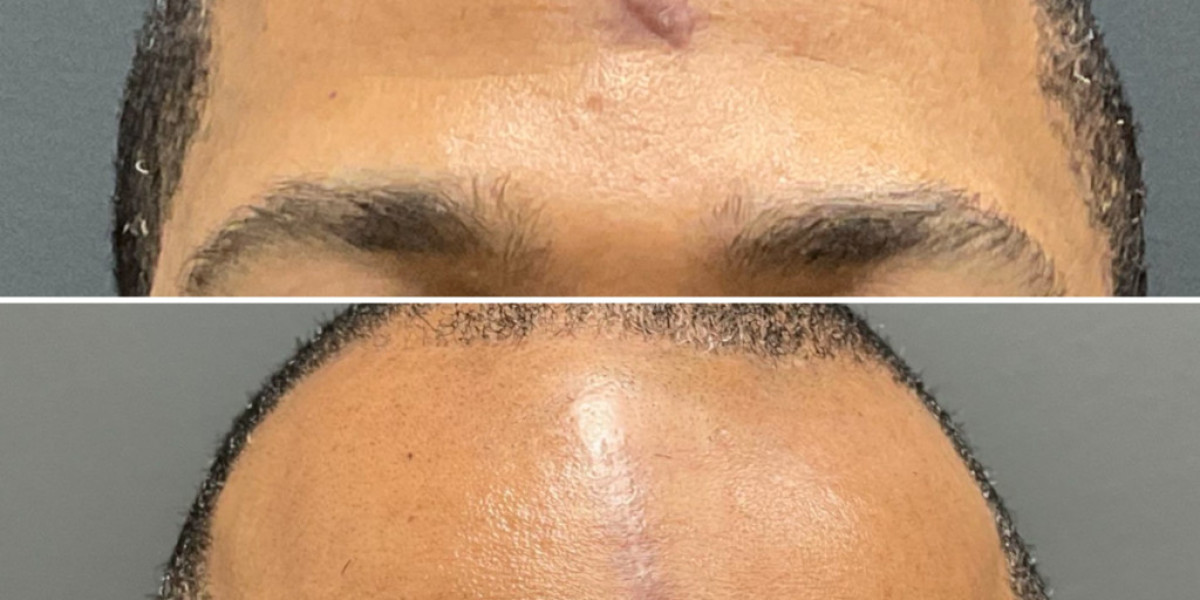

Surgical scar revision has gained attention as a refined approach focused on improving the visible appearance of scars and supporting smoother skin texture. It is often recognized in the field of scar reduction and scar correction as a method designed to refine uneven, raised, sunken, or irregular scar patterns. The main idea behind surgical scar revision is not to erase scars completely but to make them less noticeable and more aligned with surrounding skin. This approach is widely discussed in skin appearance improvement because it targets structural changes within scar tissue. It is often considered when scars affect confidence, facial harmony, or body aesthetics. Surgical scar revision in Dubai comes from its ability to refine skin surface quality and enhance natural-looking results.
How Surgical Scar Revision Works in Skin Refinement
Surgical scar revision focuses on reshaping and repositioning scar tissue to improve skin smoothness and visual balance. The process is based on precise techniques that aim to soften the edges of scars, adjust their direction, or reduce tension on the surrounding skin.
Commonly addressed scar concerns include:
- Thick or raised scar tissue that stands out from normal skin texture
- Indented or sunken scars that create uneven surfaces
- Widened scars that appear stretched or irregular
- Scars that affect natural skin movement or expression
The approach works by carefully reorganizing scar structure so that the skin appears more even and visually refined. Over time, the treated area blends more naturally with surrounding skin tone and texture, supporting overall scar appearance refinement.
Why Surgical Scar Revision Is Considered a Breakthrough in Scar Reduction
Surgical scar revision is often seen as a breakthrough in scar reduction because it focuses on improving the internal structure of scar tissue rather than only addressing surface appearance. This deeper correction allows for more refined outcomes in skin smoothness and contour balance. The concept of breakthrough comes from its ability to support long-term improvement in scar visibility. Instead of simply masking scars, it reshapes them in a way that supports natural skin alignment.
Key reasons behind its recognition include:
- Enhanced control over scar texture and shape refinement
- Improved blending with surrounding skin structure
- Better adaptation to different scar types on various body areas
- Support for smoother and more uniform skin appearance
This makes surgical scar revision a valuable option in modern scar management discussions.
Skin Appearance Benefits of Surgical Scar Revision
Surgical scar revision is closely associated with noticeable improvements in skin appearance and texture refinement. Many individuals explore this approach when scars interfere with natural skin harmony or create uneven visual patterns.
Key benefits linked with this method include:
- More even skin surface structure
- Reduced visibility of prominent scar lines
- Improved skin texture consistency
- Enhanced natural skin flow and contour balance
- Greater visual confidence in affected areas
These benefits contribute to its growing relevance in aesthetic skin correction and scar reduction planning.
Different Approaches in Surgical Scar Revision
Surgical scar revision includes several refined approaches designed to address different scar characteristics. Each approach is selected based on scar depth, width, and tissue behavior.
Commonly recognized approaches include:
- Techniques that adjust scar direction to follow natural skin lines
- Methods that reduce tension across scar tissue for smoother healing patterns
- Precision refinement that targets uneven scar edges
- Structural reshaping for deeper or more complex scars
Each approach focuses on improving skin harmony while maintaining a natural appearance. The selection depends on how the scar interacts with surrounding tissue and how it affects overall skin texture.
What Makes Surgical Scar Revision Unique in Scar Reduction
The uniqueness of surgical scar revision lies in its targeted focus on scar structure rather than surface concealment. It works with the body’s natural healing response, guiding scar formation into a more refined pattern.
This method stands out because it:
- Focuses on precision-based scar correction
- Encourages smoother skin integration over time
- Helps restore visual balance in affected areas
- Works across different skin zones with varying scar patterns
Its structured approach makes it a trusted concept in scar reduction discussions, especially for scars that are resistant to surface-level improvement techniques.
Key Considerations Before Scar Revision Focused Care
Before exploring surgical scar revision, it is important to understand how scar tissue behaves and how individual skin types respond to structural refinement. Scars vary based on depth, age, and healing pattern, which influences how they appear and evolve.
Important points include:
- Scar maturity affects visible outcomes
- Skin elasticity plays a role in refinement results
- Location of scar impacts movement and texture
- Consistency in skin healing response varies individually
These factors help set realistic expectations for scar appearance improvement and overall skin refinement outcomes.
Post-Procedure Guidance for Scar Refinement
After surgical scar revision, the skin gradually adapts as the refined scar structure integrates with surrounding tissue. During this phase, the skin continues its natural adjustment process, leading to gradual improvement in texture and appearance.
General post-procedure guidance includes:
- Keeping the area protected from unnecessary friction
- Allowing natural skin recovery without disturbance
- Supporting gentle skin hydration routines as advised
- Observing gradual changes in scar smoothness over time
This phase plays an important role in achieving optimal scar reduction outcomes and maintaining improved skin appearance.
FAQs
What is the main goal of surgical scar revision?
The main goal is to improve the appearance of scars by refining their shape, texture, and alignment with surrounding skin. It focuses on creating a smoother and more natural-looking skin surface.
Can surgical scar revision improve older scars?
Yes, surgical scar revision can address both newer and older scars. Older scars may require more detailed structural adjustment depending on their depth and texture.
How does scar reduction happen with this approach?
Scar reduction occurs through reshaping scar tissue, improving alignment with natural skin lines, and enhancing surface smoothness over time.
Is the improvement in skin appearance immediate?
Visible changes develop gradually as the skin adjusts and the refined scar structure integrates with surrounding tissue. The improvement becomes more noticeable over time.
Does surgical scar revision support different scar types?
Yes, it is designed to address multiple scar patterns including raised, sunken, and irregular scars, helping improve overall skin texture balance.
Conclusion
Surgical scar revision continues to stand out as a meaningful advancement in scar reduction and skin appearance improvement. By focusing on structural refinement and natural skin alignment, it offers a thoughtful approach to reducing visible scar impact. The process supports smoother texture, better skin balance, and improved visual harmony. For individuals seeking clearer, more refined skin appearance, surgical scar revision represents a focused and modern solution within scar management care.