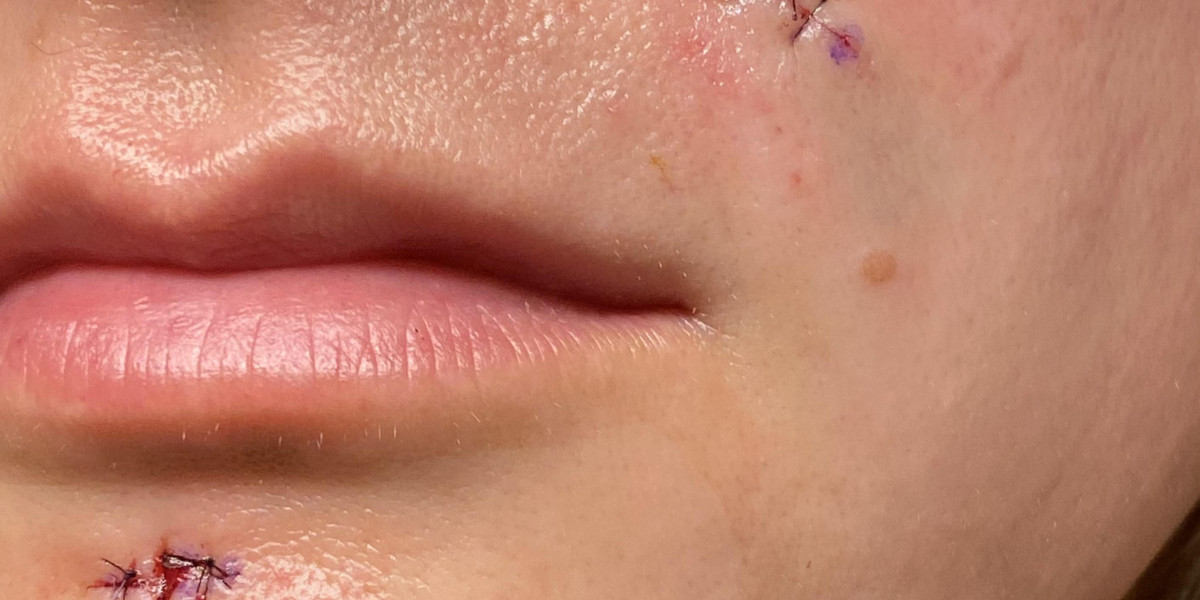

Suture Removal at Home is a topic that many people search for when they want to understand how stitches can be managed outside a clinical setting. In simple terms, it refers to the structured process Suture Removal at Home in Dubai of removing stitches from a healed wound while maintaining cleanliness, precision, and careful observation of healing progress. This overview helps individuals learn how the process is approached in a calm, organized, and safe-focused manner without unnecessary complexity.
Understanding the Purpose of Suture Removal
Suture removal is performed when a wound has healed enough to stay closed without stitches. The goal is to support proper skin recovery and reduce tension on healing tissue. This process is typically considered only when the wound shows signs of adequate closure and stability.
Why Timing Matters
Timing plays a key role in the removal process. If stitches are removed too early, the wound may reopen. If left too long, they may become difficult to remove. A balanced approach ensures smoother healing and better comfort for the individual.
Types of Sutures Commonly Observed
Different sutures may be encountered depending on the type of wound:
- Simple interrupted stitches that are placed individually
- Continuous stitches that run in a single line
- Subtle buried stitches that are not visible on the surface
Each type requires careful attention during removal.
Preparing for a Clean and Controlled Process
Preparation is essential before any step begins. The environment should be calm, well-lit, and organized to avoid unnecessary disturbances.
Clean Environment Setup
A stable surface and proper lighting help ensure visibility. The surrounding area should be tidy to minimize contamination risks.
Hand and Material Readiness
Clean hands and properly arranged sterile tools support a smoother process. Everything should be within reach to avoid interruptions during the procedure.
Step by Step Suture Removal Approach
The removal process follows a gentle and structured flow designed to maintain safety and comfort.
Inspecting the Wound Area
The first step involves observing the wound to ensure it appears closed and stable. The skin edges should look aligned without gaps or excessive redness.
Loosening the Stitch Knot
Each stitch is gently lifted to identify the knot. This allows controlled access without disturbing surrounding skin.
Cutting the Suture Carefully
A precise cut is made close to the knot while ensuring that only the thread is targeted. This helps prevent unnecessary pulling through the skin.
Removing the Thread Smoothly
Once cut, the stitch is gently pulled out in one motion. This step is repeated for each stitch until all visible threads are removed.
Final Visual Check
After removal, the area is checked to confirm that no remnants are left behind and that the skin appears evenly closed.
Supporting Techniques Used During Removal
Different approaches may be used depending on wound type and healing progress. These techniques are applied with attention to detail and care.
Technique for Simple Surface Sutures
This method involves straightforward cutting and lifting of individual stitches. It is commonly used for small and clean wounds.
Technique for Continuous Sutures
In this method, one end of the stitch line is identified first, and then the thread is carefully guided out in a continuous motion. This requires steady handling to avoid uneven pulling.
Observing Healing Progress After Removal
After stitches are removed, attention is given to how the skin responds. Healing continues beneath the surface even after external closure appears complete.
Skin Alignment Observation
The wound edges should remain aligned and stable. Slight tightness may be present as the skin continues strengthening.
Monitoring Surface Condition
The surface should remain clean and dry. Any unusual changes in appearance are carefully noted for further attention if needed.
Common Queries About the Process
FAQs
How long does the process usually take?
The duration depends on the number of stitches and the type of wound. Smaller areas generally require less time, while longer suture lines take more time due to careful handling.
Can all types of stitches be removed in the same way?
No, different stitch patterns require different approaches. Simple stitches are easier to remove, while continuous stitches need more controlled handling.
What is the most important factor during removal?
Precision and gentleness are the most important factors. The process relies on careful movement to avoid disturbing the healing skin.
Is it normal for the skin to feel sensitive afterward?
Mild sensitivity can be expected as the skin adjusts after the stitches are removed. The area continues its natural recovery process.
How is wound stability confirmed?
Wound stability is confirmed by observing closed edges, minimal separation, and consistent skin appearance without visible gaps.
Importance of Careful Handling During Removal
Careful handling ensures that the skin remains undisturbed during and after the process. Every movement is performed slowly to maintain alignment and avoid unnecessary strain on healing tissue. This approach helps support a smooth transition from stitched closure to natural skin recovery.
Key Considerations for Safe Execution
Several considerations are kept in mind during the entire process:
- Ensuring the wound is fully ready for stitch removal
- Maintaining steady hands throughout each step
- Avoiding unnecessary pressure on healing skin
- Keeping the area visually clear for better precision
These factors contribute to a more controlled and predictable outcome.
Observing Different Healing Responses
Every individual wound may respond differently after stitches are removed. Some areas may appear slightly tight, while others may look fully relaxed. These variations are normal and reflect the natural healing process of the skin.
Suture Removal at Home in Dubai Explained Step by Step in Practical Understanding
The concept of Suture Removal at Home in Dubai Explained Step by Step highlights how the process is understood in a structured and careful manner, focusing on controlled removal techniques, wound stability, and proper observation of healing progression in a home-based setting.
Conclusion
Suture removal is a precise process that requires attention, patience, and awareness of wound healing stages. When approached step by step, it becomes easier to understand how stitches are safely removed while ensuring the skin remains stable and properly aligned. This guide has explained both simple and continuous techniques, along with important observations that support a smooth transition from stitched closure to natural healing. A clear understanding of Suture Removal at Home in Dubai Explained Step by Step helps individuals recognize how structured handling contributes to overall wound recovery and comfort during the healing journey.