
As per Market Research Future analysis, the Europe beauty tools market size was estimated at USD 22.48 Billion in 2024. The Europe beauty tools market is projected to grow from USD 24.95 Billion in 2025 to USD 70.87 Billion by 2035, exhibiting a compound annual growth rate (CAGR) of 11% during the forecast period 2025–2035. The market is witnessing substantial growth as consumers increasingly invest in personal grooming, skincare enhancement, and at-home beauty treatments. The growing influence of social media, rising awareness regarding self-care routines, and advancements in beauty technology are contributing significantly to market expansion across Europe.
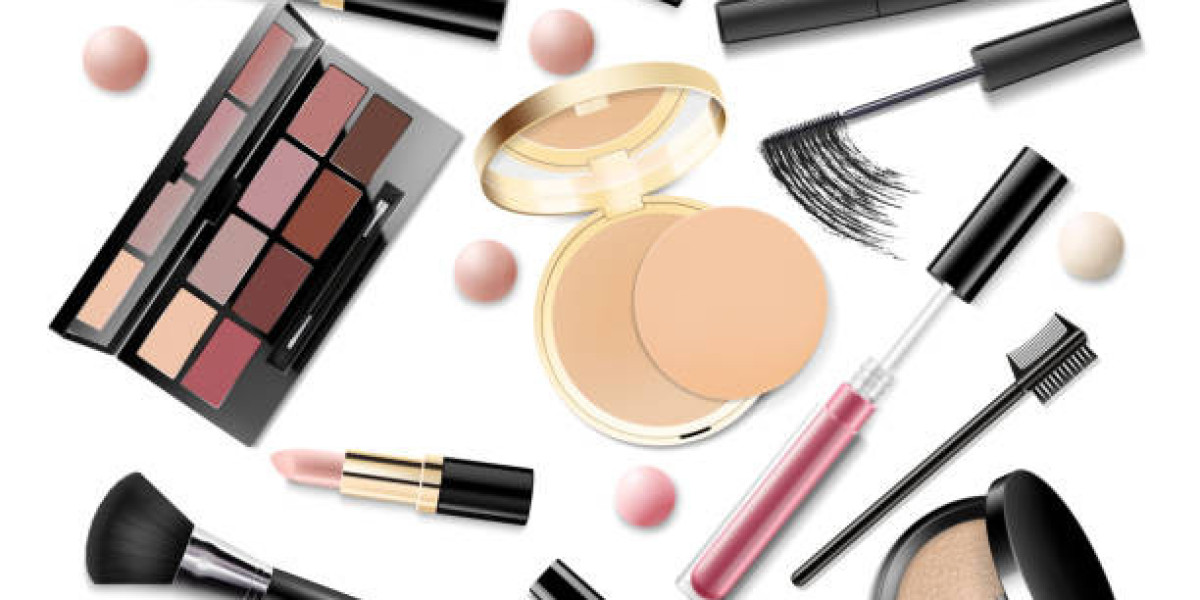
The beauty and personal care industry is evolving rapidly, creating strong demand for innovative beauty devices and accessories. According to recent developments within the beauty device market, consumers are actively seeking tools that improve skincare effectiveness, simplify beauty routines, and deliver professional-grade results at home. Beauty rollers, cleansing brushes, facial massagers, dermaplaning tools, LED beauty devices, and precision makeup applicators are becoming increasingly popular among consumers seeking convenience and efficiency. This shift toward technology-enabled beauty solutions is strengthening the market outlook.
Consumer preferences are increasingly centered around personalized beauty experiences. Individuals are investing in specialized beauty tools tailored to specific skincare concerns such as anti-aging, acne management, skin rejuvenation, and facial contouring. The growing popularity of beauty influencers and online tutorials has further accelerated awareness and adoption of advanced beauty tools. As a result, manufacturers are focusing on product innovation, ergonomic designs, and multifunctional features to attract a broader customer base.
The rise of e-commerce has transformed the beauty tools landscape by improving accessibility and product visibility. Consumers can easily compare features, read reviews, and purchase beauty tools through digital platforms. Online retail channels also enable brands to engage directly with customers and introduce innovative products more efficiently. Subscription-based beauty services and influencer-driven marketing campaigns continue to support market growth across the region.
Growing disposable incomes and increasing consumer willingness to spend on premium beauty products are further driving demand. Modern consumers view beauty tools as long-term investments that complement skincare products and enhance treatment outcomes. This trend is particularly strong among younger demographics who prioritize appearance, wellness, and self-care.
Market Trends
One of the most prominent trends is the integration of smart technologies into beauty tools. Connected devices that analyze skin conditions and provide personalized recommendations are becoming increasingly popular. Another major trend is the demand for sustainable and eco-friendly beauty accessories manufactured from recyclable materials. Multifunctional devices that combine cleansing, massage, and skincare benefits are also gaining traction among consumers seeking convenience.
Market Opportunities
The market presents significant opportunities in premium beauty devices, skincare-focused tools, and professional-grade home treatment solutions. Increasing demand for anti-aging technologies and personalized skincare products creates additional growth avenues. Manufacturers can also benefit from expanding digital sales channels and strategic collaborations with beauty influencers and dermatology professionals.
Regional Analysis
Western Europe dominates the market due to high consumer spending on beauty and personal care products. Countries such as Germany, France, the United Kingdom, and Italy represent major demand centers. France remains particularly influential due to its strong beauty culture and established cosmetics industry. Northern Europe is witnessing increased adoption of wellness-focused beauty tools, while Eastern Europe offers substantial growth opportunities as disposable incomes and beauty awareness continue to rise.
FAQs
Q1. What factors are driving the Europe beauty tools market?
A1. Rising self-care awareness, beauty technology innovation, and growing demand for at-home treatments are major drivers.
Q2. Which beauty tools are most popular?
A2. Facial cleansing brushes, LED devices, beauty rollers, and facial massagers are among the most popular products.
Q3. Which region leads the European market?
A3. Western Europe leads due to strong consumer spending and an established beauty industry.