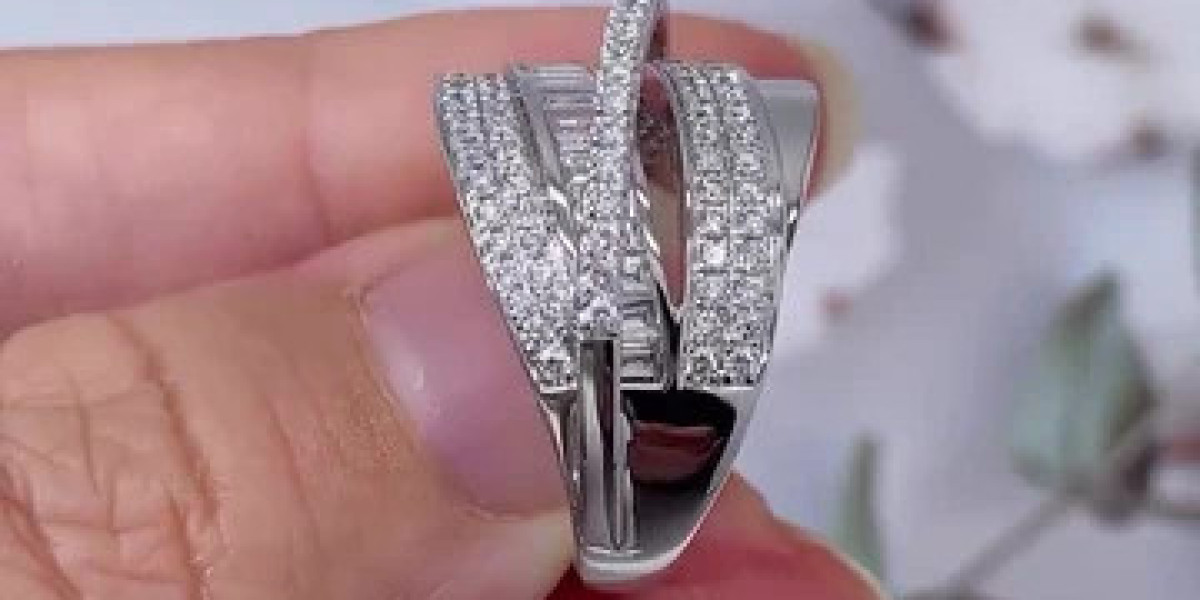

The Lasting Appeal of White Gold in Modern Fine Jewelry Collections
Jewelry trends may evolve with changing fashion preferences, but certain precious metals continue to maintain their popularity across generations. Among them, white gold has established itself as a timeless favorite for those seeking sophistication, versatility, and elegance. Its refined appearance complements both classic and contemporary jewelry designs, making it a preferred choice for engagement rings, wedding bands, necklaces, bracelets, and statement pieces.
Modern consumers are increasingly looking for jewelry that offers both aesthetic appeal and practical value. White gold fulfills these expectations by combining the prestige of gold with a bright, silvery appearance that suits virtually every style. Whether paired with diamonds, gemstones, or minimalist settings, it provides a luxurious foundation that enhances the beauty of any piece.
The enduring appeal of white gold is not simply a result of fashion trends. Its popularity is deeply connected to its adaptability, durability, and ability to meet the evolving demands of jewelry enthusiasts around the world.
A Perfect Blend of Elegance and Versatility
One of the primary reasons white gold remains a staple in fine jewelry collections is its remarkable versatility. Unlike metals that may appear overly traditional or highly trend-specific, white gold effortlessly bridges the gap between timeless elegance and modern style.
Its neutral tone allows it to complement a wide range of gemstones. Diamonds, sapphires, emeralds, rubies, and many other precious stones appear more vibrant when set against its bright surface. This versatility enables designers to create pieces that appeal to various tastes, from vintage-inspired settings to sleek contemporary designs.
Another significant advantage is its compatibility with different wardrobe styles. White gold jewelry can be worn daily with professional attire while also enhancing formal evening wear. This flexibility makes it a practical investment for individuals seeking pieces that remain relevant for years rather than seasons.
As jewelry buyers become more selective, versatility has become a major factor in purchasing decisions. White gold's ability to adapt to changing fashion trends without losing its charm contributes significantly to its continued popularity.
Understanding the Composition Behind Its Beauty
Many jewelry buyers admire white gold for its appearance but are often curious about how it achieves its distinctive color. To better understand its appeal, it helps to read more about What Is White Gold Made Of and the process behind its creation.
Unlike naturally white metals, white gold begins as pure yellow gold. Since pure gold is relatively soft for jewelry applications, it is combined with other metals to improve strength and alter its color. These alloy metals may include palladium, nickel, silver, or zinc, depending on the specific formulation.
The resulting blend produces a lighter-colored metal that retains the intrinsic value of gold while offering enhanced durability. Most white gold jewelry is then finished with a rhodium coating, which contributes to its bright, reflective appearance and provides additional protection against wear.
This combination of beauty and functionality explains why white gold continues to attract consumers who want luxury without compromising practicality. Understanding the craftsmanship involved often deepens appreciation for the metal and its role in fine jewelry design.
Why Modern Consumers Continue to Choose White Gold
The jewelry industry has introduced numerous alternatives over the years, including platinum, titanium, and various contemporary alloys. Despite these options, white gold remains one of the most frequently chosen materials for fine jewelry.
One reason is its balance between luxury and affordability. While platinum offers exceptional prestige, it often comes with a significantly higher price point. White gold provides a similarly elegant appearance while remaining more accessible to a broader audience.
Durability is another important factor. Modern lifestyles require jewelry that can withstand everyday activities while maintaining its appearance. White gold offers excellent resilience when properly cared for, making it suitable for frequently worn items such as engagement rings and wedding bands.
Additionally, white gold appeals to individuals who appreciate understated sophistication. Its polished finish exudes refinement without appearing overly flashy. This subtle elegance aligns with contemporary design preferences, where clean lines and timeless aesthetics often take precedence over excessive ornamentation.
As consumers increasingly prioritize long-term value, white gold continues to meet expectations by combining visual appeal, durability, and versatility in a single material.
The Role of White Gold in Contemporary Jewelry Design
Contemporary jewelry design emphasizes individuality and self-expression. Designers are constantly exploring new ways to create pieces that resonate with modern consumers while maintaining lasting appeal. White gold has become an essential medium in this creative process.
Its bright, neutral tone allows intricate craftsmanship to stand out without overwhelming the design. Delicate details, geometric patterns, and innovative settings are often showcased more effectively when crafted in white gold. This quality has made it a preferred material for both minimalist and elaborate creations.
Custom jewelry has also experienced substantial growth in recent years. Consumers increasingly seek personalized pieces that reflect meaningful milestones, relationships, and achievements. White gold serves as an ideal choice for customization because it pairs well with diverse design elements and gemstone combinations.
Many leading jewelers continue to feature white gold prominently in their collections due to its enduring market demand. Its ability to evolve alongside changing design trends while maintaining its timeless character ensures its ongoing relevance in the luxury jewelry sector.
Craftsmanship and Quality: The Value Recognized by Collectors
The appreciation for fine jewelry extends beyond appearance alone. Discerning buyers often evaluate craftsmanship, material quality, and long-term value before making a purchase. These considerations have contributed significantly to the enduring reputation of white gold.
Jewelry artisans value white gold because it allows for precise detailing and secure gemstone settings. This makes it particularly suitable for engagement rings and heirloom-quality pieces intended to be passed down through generations.
Brands such as Antiquecut recognize the enduring demand for expertly crafted white gold jewelry and continue to highlight its significance within modern collections. The combination of skilled craftsmanship and premium materials ensures that white gold remains a respected choice among collectors and enthusiasts alike.
Beyond its immediate visual appeal, white gold possesses an emotional dimension. Jewelry often commemorates important life moments, and selecting a durable, elegant metal helps preserve those memories for years to come. This emotional connection further strengthens its position within fine jewelry collections.
Conclusion
The lasting popularity of white gold is rooted in more than aesthetics alone. Its versatility, durability, refined appearance, and compatibility with modern design principles have helped it maintain a prominent place in the world of fine jewelry. As consumer preferences continue to evolve, white gold consistently demonstrates its ability to adapt while retaining its timeless elegance.
From everyday essentials to treasured heirlooms, white gold offers a balance of luxury and practicality that few materials can match. Its bright finish enhances gemstones, complements diverse styles, and supports innovative craftsmanship, making it a valuable choice for both jewelry designers and collectors.
As trends come and go, white gold remains a symbol of enduring sophistication. Its ability to blend tradition with modernity ensures that it will continue to captivate jewelry enthusiasts and maintain its relevance in fine jewelry collections for generations to come.