
Introduction
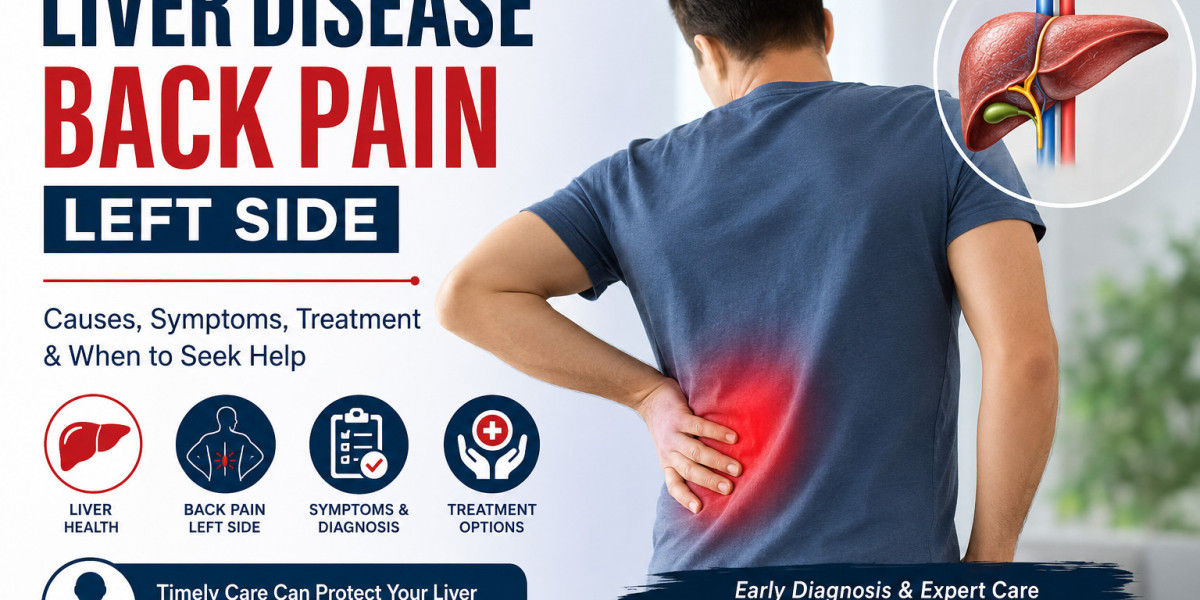
Have you been experiencing pain on the left side of your back and wondering whether it could be linked to liver disease? You're not alone. Many people associate liver problems only with abdominal discomfort, jaundice, or fatigue. However, liver disease can sometimes cause pain that radiates to the back, creating confusion about its real source.
The liver is one of the body's hardest-working organs. It filters toxins, processes nutrients, and supports digestion. When liver disease develops, it can affect surrounding tissues, nerves, and organs, leading to discomfort in unexpected areas, including the back.
In this guide, we'll explore the connection between liver disease back pain left side, possible causes, symptoms, diagnosis, treatment options, and when you should seek medical attention. We'll also discuss how advanced liver disease may require evaluation by a liver transplant surgeon in india
1. Understanding Liver Disease
Liver disease refers to any condition that damages the liver and affects its ability to function properly. There are more than 100 different liver disorders, ranging from mild fatty liver disease to severe liver cirrhosis and liver failure.
Some common liver diseases include:
- Fatty liver disease
- Hepatitis A, B, and C
- Alcohol-related liver disease
- Liver fibrosis
- Liver cirrhosis
- Liver cancer
- Autoimmune liver disorders
Think of your liver as the body's "chemical processing plant." When this plant starts malfunctioning, the effects can spread throughout the entire body.
2. Can Liver Disease Cause Back Pain?
The simple answer is yes, liver disease can sometimes cause back pain.
Although the liver is located primarily on the right side of the abdomen, pain from liver inflammation or enlargement can radiate to nearby areas, including:
- Upper back
- Mid-back
- Right shoulder
- Left side of the back in some cases
This occurs because the body's nerve pathways often transmit pain signals to areas away from the actual source.
The phenomenon is known as referred pain. It's similar to how a heart attack can cause pain in the arm rather than directly in the heart.
3. Why Left-Side Back Pain Occurs
Many people are surprised to learn that liver disease may contribute to left-side back pain.
Referred Pain Mechanism
Nerves from the liver connect with pathways that overlap with nerves serving the back and abdomen. This overlap can create pain sensations in areas that seem unrelated.
Enlarged Liver
An enlarged liver may place pressure on nearby muscles and structures, resulting in discomfort that extends toward the back.
Inflammation
Liver inflammation can trigger pain responses throughout the upper abdominal and back regions.
Associated Organ Involvement
Advanced liver disease may affect the spleen, kidneys, or surrounding tissues. Since the spleen sits on the left side of the body, enlargement can contribute to left-sided discomfort.
4. Common Liver Diseases Linked to Back Pain
Fatty Liver Disease
Fatty liver disease occurs when excess fat accumulates in liver cells.
Symptoms may include:
- Fatigue
- Mild abdominal discomfort
- Back pain
- Weakness
Many individuals have no symptoms until the condition progresses.
Liver Cirrhosis
Cirrhosis develops when healthy liver tissue is replaced by scar tissue.
Symptoms often include:
- Chronic fatigue
- Abdominal swelling
- Weight loss
- Back discomfort
- Muscle cramps
Hepatitis
Hepatitis causes liver inflammation due to viral infections, alcohol use, or autoimmune conditions.
Common symptoms include:
- Fever
- Nausea
- Joint pain
- Back pain
- Jaundice
Liver Cancer
As liver tumors grow, they may create pressure and discomfort that extends into the back.
Warning signs include:
- Unexplained weight loss
- Loss of appetite
- Persistent pain
- Fatigue
5. Other Symptoms That May Accompany Back Pain
If your left-side back pain is related to liver disease, other symptoms often appear as well.
Jaundice
Yellowing of the skin and eyes is a classic sign of liver dysfunction.
Fatigue
Persistent tiredness is among the most common symptoms of liver disease.
Abdominal Swelling
Fluid accumulation in the abdomen, known as ascites, often indicates advanced liver disease.
Dark Urine
Changes in urine color may occur when bilirubin levels rise.
Itchy Skin
Chronic itching can result from bile accumulation.
Nausea and Appetite Loss
Digestive symptoms are frequently associated with liver disorders.
6. When Left-Side Back Pain Is Not Related to the Liver
Not every case of left-side back pain is caused by liver disease.
Other common causes include:
- Muscle strain
- Kidney stones
- Kidney infections
- Herniated discs
- Poor posture
- Sciatica
- Pancreatitis
- Spleen disorders
If back pain occurs without any liver-related symptoms, another medical condition may be responsible.
7. How Doctors Diagnose Liver-Related Pain
A proper diagnosis requires a combination of medical history, physical examination, and testing.
Blood Tests
Doctors may evaluate:
- Liver enzymes
- Bilirubin levels
- Albumin levels
- Clotting factors
Ultrasound
An ultrasound can detect:
- Fatty liver
- Cirrhosis
- Liver enlargement
- Tumors
CT Scan and MRI
These imaging studies provide detailed information about liver structure.
Liver Elastography
This non-invasive test measures liver stiffness and fibrosis.
Liver Biopsy
In selected cases, a small tissue sample helps confirm the diagnosis.
8. Treatment Options for Liver Disease
Treatment depends on the underlying cause.
For Fatty Liver Disease
- Weight loss
- Healthy diet
- Regular exercise
- Diabetes control
For Viral Hepatitis
- Antiviral medications
- Monitoring liver function
- Lifestyle modifications
For Alcohol-Related Liver Disease
- Complete alcohol avoidance
- Nutritional support
- Medical treatment
For Cirrhosis
- Managing complications
- Monitoring liver function
- Preventing infections
Early treatment significantly improves outcomes.
9. Lifestyle Changes for Better Liver Health
Healthy lifestyle habits can slow or even reverse certain liver conditions.
Eat a Balanced Diet
Focus on:
- Fruits
- Vegetables
- Whole grains
- Lean proteins
Maintain a Healthy Weight
Excess body weight increases fatty liver risk.
Exercise Regularly
Aim for at least 150 minutes of moderate exercise each week.
Limit Alcohol Consumption
Reducing alcohol intake protects liver cells from damage.
Stay Hydrated
Adequate hydration supports overall health and liver function.
10. Warning Signs That Require Immediate Medical Care
Seek medical attention immediately if you experience:
- Severe abdominal pain
- Vomiting blood
- Black stools
- Sudden confusion
- Severe jaundice
- Difficulty breathing
- Rapid abdominal swelling
These symptoms may indicate a serious liver complication.
11. Liver Failure and Chronic Liver Disease
Liver failure occurs when the liver loses its ability to perform essential functions.
Symptoms include:
- Extreme fatigue
- Mental confusion
- Fluid retention
- Bleeding problems
- Persistent pain
At this stage, specialized care from hepatologists and transplant experts becomes critical.
12. Liver Transplant and Advanced Liver Disease
For some patients with end-stage liver disease, a liver transplant may be the most effective treatment.
Conditions that may require transplantation include:
- Advanced cirrhosis
- Acute liver failure
- Certain liver cancers
- Severe genetic liver disorders
A qualified liver transplant surgeon in india evaluates whether a patient is a suitable candidate for transplantation. India has become a leading destination for liver transplantation due to advanced medical facilities, experienced specialists, and high success rates.
The decision to pursue transplantation depends on factors such as liver function, overall health, and disease progression.
13. Prevention Tips for Liver Disease
Preventing liver disease is often easier than treating it.
Get Vaccinated
Vaccines can help prevent hepatitis A and B.
Avoid Excess Alcohol
Long-term alcohol misuse significantly increases liver disease risk.
Practice Safe Hygiene
Good hygiene helps reduce the risk of viral infections.
Control Diabetes and Cholesterol
Metabolic conditions often contribute to fatty liver disease.
Avoid Unnecessary Medications
Some medications can harm the liver when used improperly.
14. Living Well With Liver Disease
A liver disease diagnosis does not mean your life is over.
Many individuals successfully manage liver conditions through:
- Medical monitoring
- Healthy nutrition
- Regular exercise
- Medication adherence
- Stress management
Think of liver care like maintaining a car engine. Regular maintenance helps prevent major breakdowns and keeps everything running smoothly for years.
With proper treatment and lifestyle adjustments, many people continue to live active, fulfilling lives.
15. Key Takeaways
Understanding the connection between liver disease back pain left side can help you recognize potential warning signs early.
While liver disease doesn't always cause back pain, inflammation, enlargement, and related complications can sometimes create discomfort that radiates to the left side of the back. Paying attention to accompanying symptoms such as fatigue, jaundice, abdominal swelling, and appetite changes is essential.
Early diagnosis and treatment can prevent complications and improve quality of life. In advanced cases, consultation with a liver transplant surgeon in india may provide life-saving treatment options.
Conclusion
Left-side back pain can have many causes, and liver disease is one possibility that should not be ignored—especially when other symptoms are present. The liver plays a crucial role in maintaining overall health, and even subtle warning signs deserve attention. If you experience persistent back pain along with fatigue, jaundice, abdominal discomfort, or unexplained weight loss, consult a healthcare professional for evaluation. Early intervention can make a significant difference in preventing disease progression and protecting your long-term health.
FAQs
1. Can liver disease cause pain on the left side of the back?
Yes. Although the liver is located on the right side, referred pain and associated organ involvement can sometimes cause discomfort on the left side of the back.
2. What type of back pain is associated with liver disease?
Liver-related pain is often described as a dull ache in the upper or middle back and may occur alongside abdominal discomfort.
3. How do I know if my back pain is from liver disease?
Back pain accompanied by jaundice, fatigue, nausea, abdominal swelling, or unexplained weight loss should be evaluated by a doctor.
4. Can fatty liver disease cause back pain?
Yes. Some people with fatty liver disease report mild discomfort in the upper abdomen and back, especially as inflammation develops.
5. When should I see a liver transplant surgeon in india?
You should consult a liver transplant surgeon in india if you have advanced liver cirrhosis, liver failure, or other severe liver conditions where transplantation may be considered as a treatment option.