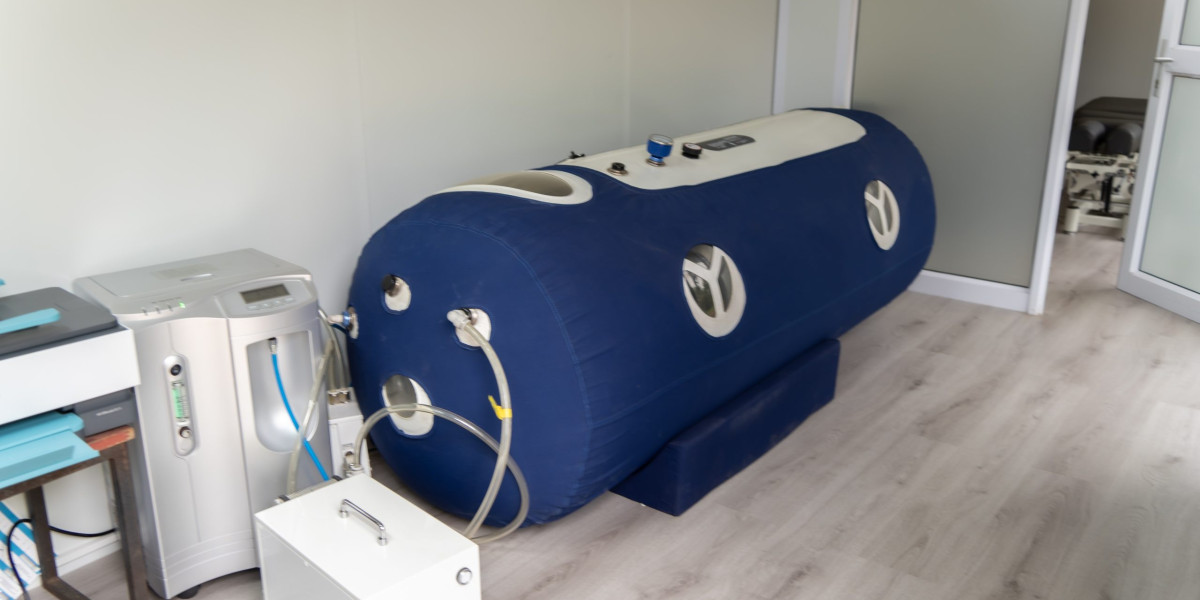

A sitting hyperbaric chamber is becoming an important development in modern oxygen therapy, especially for patients dealing with pulmonary and spinal conditions. In 2026, healthcare and wellness providers in the United States are increasingly focusing on accessibility-driven designs that allow more patients to benefit from controlled oxygen environments without discomfort from lying flat positions.
A sitting hyperbaric chamber supports users by allowing oxygen exposure in an upright position, which is particularly helpful for individuals with breathing difficulty, spinal discomfort, or postural limitations. This design change may seem simple, but it significantly improves usability for people who cannot tolerate traditional horizontal chambers for long sessions.
Interest in a soft shell hyperbaric chamber for sale has also increased as more users look for flexible and home-compatible oxygen therapy solutions. This shift shows that comfort and adaptability are now just as important as clinical function in oxygen therapy systems.
Problem: Traditional HBOT Limitations for Pulmonary and Spinal Patients
One of the major challenges in oxygen therapy is that traditional chambers require users to lie flat for extended periods. A sitting hyperbaric chamber was developed to address this limitation because many patients with pulmonary or spinal conditions experience discomfort or pain in horizontal positions.
For patients with chronic obstructive pulmonary disease or restricted lung function, lying flat can make breathing more difficult. Similarly, individuals with spinal injuries, disc problems, or post-surgical conditions often struggle to maintain a supine position. This reduces their ability to complete full therapy sessions effectively.
In the United States, the CDC reports that millions of adults suffer from chronic back pain conditions each year, making accessibility in therapy systems a real concern. Many users searching for a soft shell hyperbaric chamber for sale are doing so because they need more comfortable alternatives that do not worsen their symptoms.
Agitation: Comfort Barriers Reduce Therapy Consistency and Outcomes
Comfort plays a critical role in oxygen therapy success. A sitting hyperbaric chamber helps reduce dropout rates that are commonly seen in traditional HBOT programs. When patients feel discomfort, they often shorten sessions or stop treatment altogether, reducing potential benefits.
In pulmonary patients, breathing discomfort is one of the main reasons for early termination of therapy sessions. In spinal patients, pressure on the back and neck during lying positions can increase pain levels. These issues create inconsistency in therapy routines.
Wellness clinics in the United States have reported that users of horizontal chambers often request breaks during sessions. In contrast, interest in upright systems has increased as users look for more tolerable options. This trend is also reflected in online searches for soft shell hyperbaric chamber for sale, where comfort is a major deciding factor.
Solution: How Sitting-Style HBOT Chambers Work for Better Tolerance
A sitting hyperbaric chamber works by maintaining controlled atmospheric pressure while allowing the user to remain upright during oxygen exposure. This design ensures that oxygen diffusion principles remain effective while improving comfort for patients with mobility or respiratory limitations.
The chamber structure is reinforced vertically, allowing users to sit naturally without compressing the spine or restricting breathing patterns. Airflow systems are designed to maintain stable oxygen distribution even in an upright position. This ensures that physiological benefits of increased oxygen absorption remain consistent.
Patients considering a soft shell hyperbaric chamber for sale often prefer this design because it integrates more easily into daily routines. Users can remain seated comfortably, reducing physical strain and improving session completion rates.
Pulmonary Benefits: Supporting Breathing Comfort and Oxygen Efficiency
For pulmonary conditions, a sitting hyperbaric chamber may provide improved comfort during oxygen therapy sessions. Patients with reduced lung capacity often struggle with lying flat due to pressure on the diaphragm. Upright positioning helps reduce this restriction and supports more natural breathing patterns.
Oxygen diffusion still occurs based on pressure levels, but upright posture reduces mechanical breathing difficulty. This combination may support better tolerance of therapy sessions in patients with chronic respiratory conditions.
In clinical observations across US wellness centers, pulmonary patients using upright systems reported improved session compliance. Many individuals who previously discontinued therapy in horizontal chambers were able to complete full sessions in sitting formats. This has increased interest in soft shell hyperbaric chamber for sale options among respiratory care users.
Spinal Condition Benefits: Reduced Pressure and Improved Postural Support
A sitting hyperbaric chamber provides significant ergonomic advantages for individuals with spinal conditions. Patients with herniated discs, scoliosis, or post-surgical recovery often experience discomfort when lying flat for long periods.
Upright positioning reduces pressure on the lower back and spinal column, allowing users to remain in a more natural posture. This can improve session tolerance and reduce pain-related interruptions during oxygen therapy.
Rehabilitation centers in the United States have reported that patients with spinal issues show better adherence to oxygen therapy programs when using upright systems. This is one of the main reasons demand for soft shell hyperbaric chamber for sale listings has increased in rehabilitation-focused markets.
Real-World Case Studies from US Wellness and Rehab Centers
In a rehabilitation facility in Texas, a sitting hyperbaric chamber was introduced for patients recovering from spinal surgery. Staff observed that patients were able to complete longer therapy sessions without reporting increased back discomfort. This improved overall participation in recovery programs.
In California, a pulmonary rehabilitation clinic integrated upright oxygen systems into patient routines. Over a 12-week period, patients with mild to moderate respiratory limitations showed improved session consistency compared to traditional horizontal chamber users.
A wellness center in Florida also reported increased demand for upright systems after patient feedback highlighted comfort issues with lying chambers. Many of these patients initially searched for a soft shell hyperbaric chamber for sale before transitioning to sitting-style systems after consultation.
Scientific Basis: Oxygen Diffusion and Posture Independence
From a physiological perspective, oxygen absorption in a sitting hyperbaric chamber is governed by pressure rather than body position. Research published in journals such as Frontiers in Physiology confirms that oxygen diffusion increases under controlled pressure regardless of posture.
However, posture plays an indirect role by affecting user comfort and session duration. Patients who are more comfortable are more likely to complete full therapy cycles, which may improve consistency in oxygen exposure.
This is particularly important in pulmonary and spinal conditions, where discomfort often leads to early session termination. Upright systems help reduce this barrier without changing the core oxygen delivery mechanism.
Safety Considerations and Design Reliability
Safety is a key factor in the design of a sitting hyperbaric chamber. These systems include pressure regulation controls, emergency release valves, and reinforced structural materials to maintain stability during use.
Upright systems also focus on airflow balance to ensure even oxygen distribution in a vertical position. This reduces the risk of uneven pressure exposure and improves user safety during extended sessions.
Buyers exploring a soft shell hyperbaric chamber for sale should always verify certification, material quality, and pressure stability ratings. Proper installation and adherence to usage guidelines are essential for safe operation.
Market Trends and Increasing Demand in 2026
The demand for a sitting hyperbaric chamber has increased significantly in 2026 due to its accessibility advantages. Patients with pulmonary and spinal conditions represent a growing segment of users who require more comfortable oxygen therapy solutions.
Wellness centers and rehabilitation facilities in the United States are increasingly adopting upright systems to improve patient compliance and reduce therapy dropouts. This trend is expected to continue as aging populations and chronic condition cases rise. Search trends for soft shell hyperbaric chamber for sale reflect this growing demand, especially among users seeking home-compatible oxygen therapy solutions.
Personal Observations from Clinical and Wellness Settings
From observing wellness environments, one clear pattern emerges: comfort determines consistency. A sitting hyperbaric chamber significantly improves user adherence simply by reducing physical strain during sessions.
Patients with pulmonary or spinal conditions are more likely to complete full therapy cycles when seated comfortably. This leads to better routine adherence and more stable recovery experiences over time. Many users who initially searched for a soft shell hyperbaric chamber for sale often transition to upright systems after realizing the importance of posture support in long-term therapy use.
Conclusion
A sitting hyperbaric chamber represents a meaningful improvement in oxygen therapy accessibility for patients with pulmonary and spinal conditions. It allows users who cannot lie flat to still benefit from controlled oxygen environments without discomfort.
A sitting hyperbaric chamber improves usability, comfort, and therapy adherence without changing the underlying science of oxygen diffusion under pressure. This makes it a practical solution for both clinical and home wellness settings.
As demand continues to grow, especially in the soft shell hyperbaric chamber for sale market, upright HBOT systems are likely to become a standard option for patients seeking more comfortable and sustainable oxygen therapy solutions.