
Ear injuries can happen unexpectedly and often leave behind more than just temporary discomfort. From accidental tears to stretched piercings or trauma-related damage, the earlobe is one of the most delicate structures that can easily lose its natural shape. These changes may seem minor at first, but they can significantly affect facial balance and self-perception over time. In many cases, Earlobe Correction in Dubaibecomes an important consideration for restoring both aesthetics and symmetry, especially when the damage interferes with confidence or everyday appearance.
When the earlobe is injured, the effects are not always limited to physical alteration. Even a small split or elongation can disrupt how accessories fit, how the ear looks from different angles, and how comfortable a person feels in social situations. Understanding the importance of timely attention to such concerns can help prevent long-term deformities and encourage healthier healing outcomes.
Understanding the Impact of Earlobe Injuries
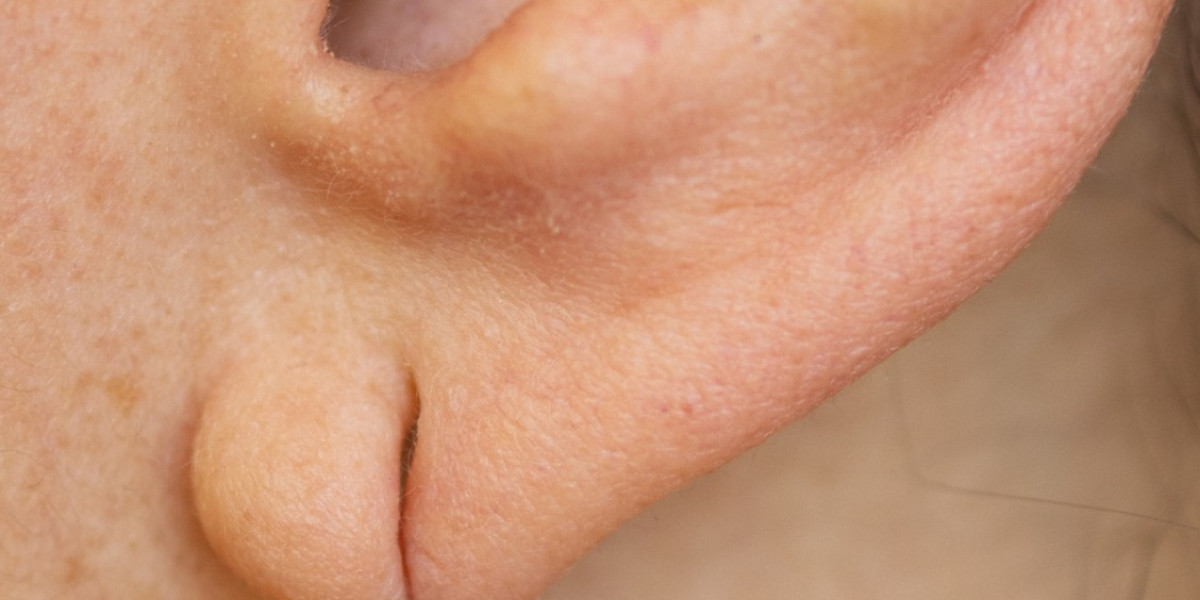
The earlobe may appear small, but it plays a noticeable role in framing the face. Its soft tissue structure makes it vulnerable to stretching, tearing, and splitting under pressure or impact. Once damaged, the tissue does not naturally return to its original shape without intervention, which is why even mild injuries can have lasting effects.
Earlobe trauma often results in asymmetry, where one side appears different from the other. This imbalance can subtly draw attention and affect overall facial harmony. In cases where earrings were previously worn, damage can also make it difficult or impossible to use them again comfortably, leading to a noticeable change in personal style and expression.
Common Causes of Earlobe Damage
Earlobe injuries can occur in a variety of everyday situations. One of the most common causes is accidental tearing due to earrings being pulled or snagged on clothing, hair, or accessories. Over time, heavy earrings can also gradually stretch the piercing hole, leading to elongated openings or partial splits.
Physical trauma such as sports injuries or sudden impacts can also contribute to earlobe deformation. In some cases, long-term use of large gauge earrings or improper piercing techniques can weaken the tissue, making it more prone to tearing. Understanding these causes helps highlight why preventive care and early correction are essential.
How Earlobe Deformities Affect Appearance and Confidence
Changes in earlobe shape can have a surprisingly strong impact on personal appearance. Since the ears are always visible, even minor asymmetry can become noticeable in close interactions or photographs. Many individuals report feeling self-conscious about uneven or torn earlobes, especially when wearing hairstyles that expose the ears.
This can influence how people choose accessories or hairstyles, often limiting their choices. Over time, such limitations may subtly affect self-esteem and confidence. Addressing these concerns allows individuals to restore balance to their facial features and regain freedom in their personal style.
When to Consider Repair Options
Deciding when to address earlobe damage depends on the severity of the injury and its impact on daily life. Minor tears or stretched piercings that continue to enlarge over time should not be ignored, as they can worsen if left untreated. In cases where asymmetry becomes more visible or earrings can no longer be worn properly, corrective attention becomes more relevant.
Early consideration is often beneficial, as it prevents further tissue distortion and supports more refined outcomes. Even long-standing deformities can be improved, making it possible to restore a natural and balanced appearance regardless of how long the damage has been present.
What Happens During the Correction Process
The approach to repairing earlobe damage focuses on reshaping and restoring the natural contour of the tissue. The process involves carefully realigning the torn or stretched areas so that the earlobe regains its smooth and symmetrical form. In many cases, excess or damaged tissue is refined to create a clean foundation for healing.
Once the structure is restored, the skin is repositioned in a way that promotes natural blending with the surrounding area. The goal is to ensure that the repaired earlobe appears consistent with its original shape, allowing for a seamless and balanced appearance. Over time, the area typically heals into a stable and aesthetically pleasing form.
Benefits of Addressing Earlobe Damage
One of the most noticeable benefits of correcting earlobe injuries is the restoration of facial symmetry. Balanced earlobes contribute to a more harmonious overall appearance, which can positively influence how facial features are perceived.
Another benefit is the return of styling flexibility. Individuals can once again wear earrings without discomfort or concern about further damage. This freedom often enhances personal expression and allows for greater confidence in appearance-related choices.
In addition, addressing earlobe damage early can prevent further stretching or worsening of the condition. This helps maintain the structural integrity of the ear and avoids more complex issues in the future.
Emotional and Psychological Comfort
Beyond physical appearance, earlobe injuries can also affect emotional well-being. Many individuals feel frustrated or self-conscious about visible ear deformities, especially if the change happened suddenly or due to an accident. These feelings can influence how they present themselves in social or professional settings.
Restoring the natural shape of the earlobe often brings a sense of relief and renewed confidence. The ability to look in the mirror without noticing asymmetry or damage can significantly improve self-image and reduce unnecessary self-awareness.
Recovery Expectations and Aftercare
After corrective attention, the healing process typically involves gradual improvement as the tissue settles into its restored shape. The area may experience mild sensitivity initially, but this usually subsides as the earlobe adapts to its new form.
Proper care during the recovery phase supports smooth healing and helps maintain the refined contour. Avoiding unnecessary pressure or strain on the area ensures that the results remain stable and long-lasting. Over time, the earlobe blends naturally with the surrounding tissue, creating a consistent appearance.
Book Us
For individuals seeking to restore balance, symmetry, and natural appearance after ear injuries, taking the next step toward treatment can be transformative. Earlobe Correctionoffers a reliable way to address both minor and significant deformities while improving overall facial harmony. Those looking for professional support and tailored care can consider Enfield Royal Clinic Dubai, where personalized attention is provided to help restore natural ear aesthetics and confidence without compromising comfort or appearance.