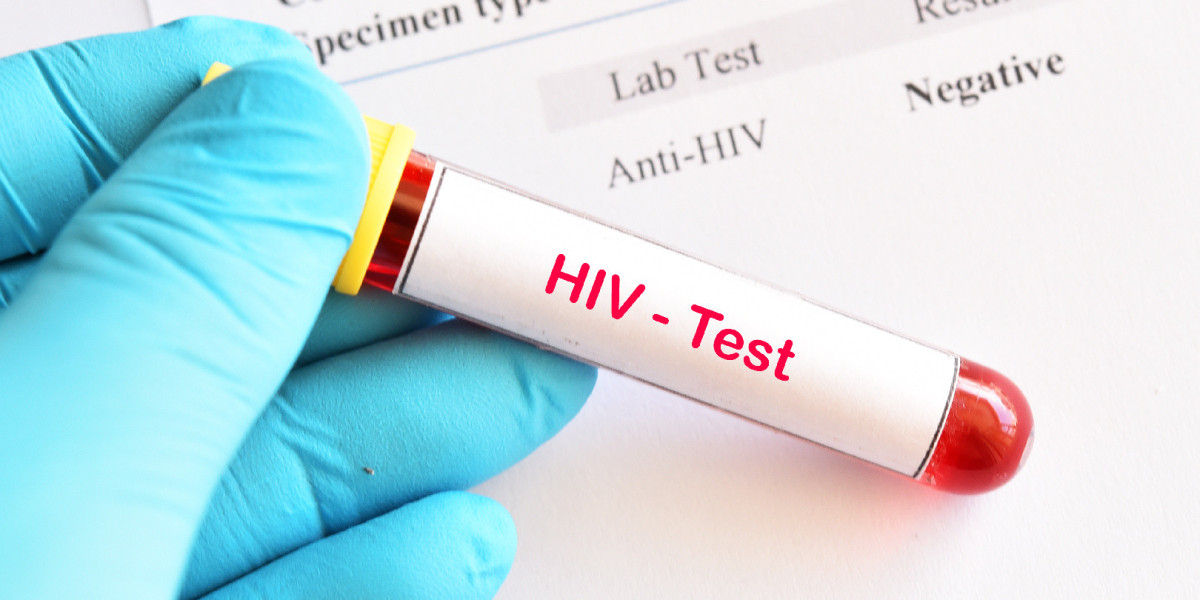

An HIV blood test is one of the most reliable ways to determine whether a person has been infected with Human Immunodeficiency Virus (HIV). However, the accuracy of any HIV Blood Test in Dubai depends heavily on timing. Many people assume that testing immediately after a possible exposure will provide a definitive answer, but this is not always the case.
The concept that often causes confusion is known as the HIV window period. Understanding this timeframe is essential because it directly affects the accuracy of HIV test results. Whether you are seeking peace of mind, responding to a potential exposure, or simply prioritizing your sexual health, knowing how the window period works can help you make informed healthcare decisions.
Defining the HIV Window Period:
The HIV window period refers to the time between exposure to HIV and the moment when a diagnostic test can accurately detect the infection.
After HIV enters the body, it does not become immediately detectable. The virus undergoes biological changes while the immune system begins responding. During this early stage, certain HIV markers may not yet be present in sufficient quantities for laboratory detection.
As a result, testing too early can sometimes produce a false-negative result even if infection has occurred.
The length of the window period depends on several factors, including:
The type of HIV test used
Individual immune response
Viral replication rate
Laboratory sensitivity
Understanding these variables helps explain why healthcare providers often recommend repeat testing after a recent exposure.
What Happens Inside the Body After HIV Exposure?
To understand the window period, it helps to understand how HIV develops within the body.
Stage One: Initial Viral Entry
When HIV enters the bloodstream, the virus begins targeting CD4 immune cells. During this period, viral replication occurs rapidly.
Stage Two: Production of Viral Antigens
As the virus multiplies, proteins known as antigens become detectable. One of the most important is the p24 antigen, which appears relatively early after infection.
Stage Three: Antibody Development
The immune system eventually recognizes HIV and starts producing antibodies to fight the virus. These antibodies become important markers used in many HIV diagnostic tests.
Different HIV testing technologies detect different stages of this process, which explains why some tests can identify infection sooner than others.
The Main Types of HIV Blood Tests:
Modern HIV diagnosis relies on several advanced testing methods. Each has its own detection window and level of sensitivity.
Antibody Tests:
Antibody tests identify HIV antibodies produced by the immune system after exposure.
Because antibodies require time to develop, these tests generally have a longer window period than newer technologies.
Key characteristics include:
Widely available
Cost-effective
Reliable after antibody formation
Commonly used for routine screening
Most individuals develop detectable antibodies within several weeks of infection.
Fourth-Generation Antigen and Antibody Tests:
Fourth-generation HIV tests represent a significant advancement in diagnostic accuracy.
These tests detect both:
HIV antibodies
HIV p24 antigen
Because p24 antigen appears before antibodies, fourth-generation testing can identify infection sooner than traditional antibody-only tests.
Benefits include:
Earlier diagnosis
Improved sensitivity
Reduced waiting time for accurate results
Enhanced clinical decision-making
Many healthcare facilities now use fourth-generation blood tests as the preferred screening method.
Nucleic Acid Tests (NAT):
Nucleic Acid Testing detects HIV RNA, which is the virus's genetic material.
Unlike other methods that rely on the body's immune response, NAT identifies the virus directly.
Advantages include:
Earliest possible detection
High sensitivity
Useful after recent exposure
Valuable for complex diagnostic cases
Although highly accurate, NAT is generally more expensive and is often reserved for specific situations rather than routine screening.
Comparing Window Periods Across Different Tests:
One of the most common questions people ask is, "How soon can HIV be detected?"
The answer depends on the testing technology used.
Nucleic Acid Test Window Period:
NAT can often detect HIV approximately 10 to 33 days after exposure.
Because it searches directly for viral RNA, it offers the earliest detection opportunity.
Fourth-Generation HIV Test Window Period:
Antigen and antibody tests typically detect infection within 18 to 45 days after exposure.
These tests provide an excellent balance between accessibility and early detection.
Antibody Test Window Period:
Traditional antibody tests may require 23 to 90 days before infection becomes reliably detectable.
This longer window period is due to the time needed for antibody production.
Healthcare providers often recommend testing at specific intervals to ensure the most accurate results possible.
Why False-Negative Results Can Occur?
A false-negative result occurs when a test reports no infection even though HIV is present.
The most common reason for a false-negative HIV test is testing during the window period.
When testing occurs before sufficient antigens, antibodies, or viral RNA are detectable, laboratory analysis may not identify the infection.
Factors that may contribute include:
Testing too soon after exposure
Using a less sensitive testing method
Individual variations in immune response
This is why medical professionals often advise follow-up testing after an initial negative result when recent exposure is suspected.
Recommended HIV Testing Timeline After Exposure:
The timing of HIV testing can significantly influence result accuracy.
Immediately After Exposure:
Testing immediately establishes a baseline but may not detect a new infection.
Two to Four Weeks After Exposure:
Certain advanced tests, particularly NAT and fourth-generation tests, may begin detecting HIV during this period.
Six Weeks After Exposure:
Many infections become detectable using fourth-generation antigen and antibody testing.
Three Months After Exposure:
Most healthcare providers consider testing at three months highly reliable for confirming HIV status.
Following the recommended testing schedule ensures the highest level of diagnostic confidence.
Understanding Your HIV Blood Test Results:
Receiving test results can be stressful, particularly when uncertainty exists about timing and exposure.
Negative HIV Result:
A negative result indicates that no HIV markers were detected.
If testing occurred outside the window period, this result is generally considered reliable.
If testing occurred shortly after exposure, healthcare providers may recommend repeat testing.
Positive HIV Result:
A positive result indicates the presence of HIV-related markers.
Additional confirmatory testing is typically performed before a final diagnosis is made.
Advances in HIV treatment mean that individuals diagnosed early can often maintain excellent health and achieve long-term viral suppression through appropriate medical care.
Common Misunderstandings About the Window Period:
Many myths continue to circulate regarding HIV testing.
Myth: A Negative Result One Week After Exposure Is Definitive
In reality, most HIV tests cannot reliably detect infection this early.
Myth: All HIV Tests Have the Same Window Period
Different testing technologies detect different biological markers and therefore have varying detection timelines.
Myth: Symptoms Can Replace Testing
Some people develop flu-like symptoms during acute HIV infection, while others experience no symptoms at all. Testing remains the only reliable method of diagnosis.
Myth: Modern HIV Tests Are Unreliable
Current laboratory technologies offer exceptional accuracy when used at the appropriate time after exposure.
The Importance of Professional Guidance:
Healthcare providers play a critical role in helping individuals understand testing options and timing.
A medical professional can:
Assess exposure risk
Recommend the most suitable HIV test
Explain the window period
Interpret results accurately
Provide follow-up recommendations
Professional guidance ensures that testing decisions are based on science rather than uncertainty or misinformation.
Looking Beyond Testing: Prevention and Long-Term Health
While HIV blood testing is essential, prevention remains equally important.
Strategies that support HIV prevention include:
Safe sexual practices
Regular STI screening
Routine HIV testing
Access to preventive medications when appropriate
Open communication with healthcare providers
Combining prevention with regular testing creates a comprehensive approach to sexual health and overall wellness.
Conclusion:
Understanding the relationship between an HIV blood Lab tests and the window period is crucial for obtaining accurate results. The timing of testing can significantly affect whether HIV is detectable, making it important to choose the right test and follow recommended testing schedules. Modern diagnostic technologies, including fourth-generation antigen and antibody tests and nucleic acid testing, have greatly improved early detection capabilities. By understanding how these tests work and when they should be used, individuals can make informed healthcare decisions, reduce uncertainty, and take proactive steps toward protecting their health and well-being.