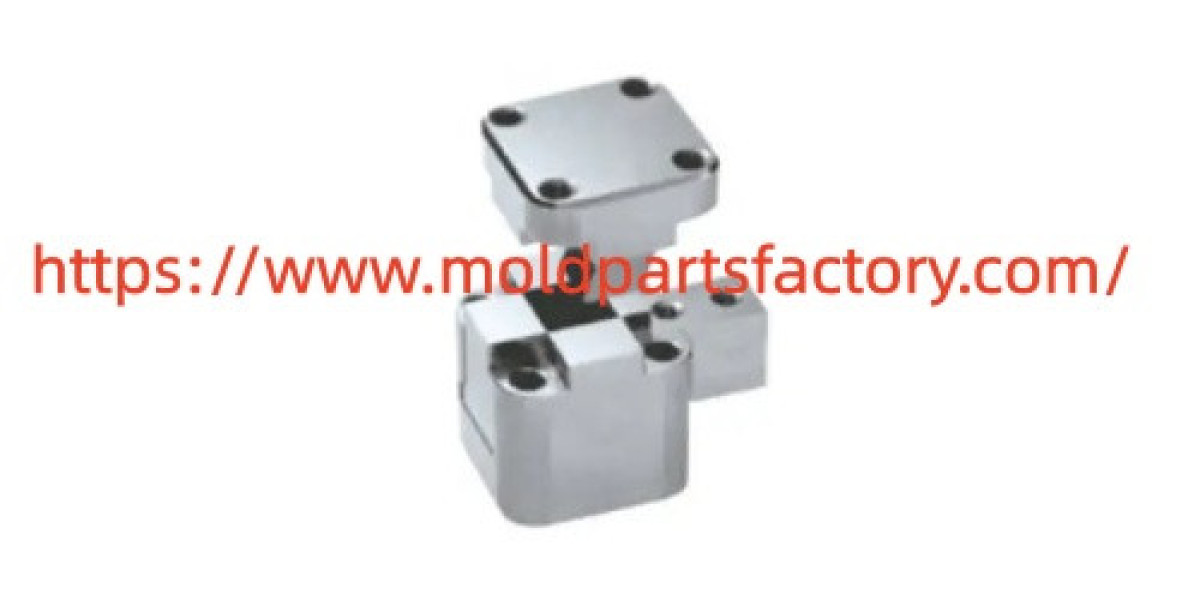

Side Core Pulling is commonly used in mold engineering when product structures include features that cannot be released through a straight opening direction. In many injection molding applications, certain geometries create physical interference inside the cavity, making standard ejection impossible without additional mechanical movement. These situations are common in industrial product design where functional complexity is required.
One of the most typical scenarios is the presence of undercut structures. These features create reverse locking conditions that trap the molded part inside the cavity. Since direct movement cannot release these areas, an additional lateral motion is required to clear the interference and allow smooth extraction without damaging the component.
Another situation involves parts with internal recesses or enclosed channels. These designs are frequently used in housings, connectors, and functional mechanical assemblies. Because these internal shapes extend beyond a straight release path, controlled movement is necessary to complete the molding cycle properly.
Components with irregular external shapes also present challenges during demolding. When surfaces extend in multiple directions, a single-axis release becomes insufficient. In such cases, tooling systems are designed to introduce auxiliary movement so that the mold can separate gradually and maintain part integrity.
Some products combine multiple complex features, including internal locking points and external protrusions. These combinations increase the difficulty of release and require carefully planned mechanical coordination within the tooling structure. Without additional movement control, deformation or surface damage may occur during extraction.
Material behavior also plays a role in release performance. Certain polymers shrink slightly after cooling, increasing tight contact between the part and cavity walls. This makes controlled mechanical movement even more important to ensure stable and repeatable production results.
Consistency is a key requirement in manufacturing environments. When production cycles are repeated over long periods, any variation in release behavior can affect efficiency and part quality. For this reason, tooling systems are designed with stable movement mechanisms that support predictable operation.
Surface condition and friction control are also important factors. Proper polishing, coating, and lubrication help reduce resistance during movement and extend the service life of tooling components. These improvements contribute to smoother operation and reduced maintenance needs.
Design engineers often evaluate geometry during early development stages to determine whether additional movement mechanisms are required. By identifying potential interference areas in advance, they can optimize both product structure and tooling design to support stable production.
In industrial applications, Moldpartsfactory provides tooling solutions and components that support complex molding requirements. These solutions are designed to accommodate different structural challenges while maintaining stable performance across various manufacturing environments.
As product designs continue to evolve, more components include multi-directional features that increase molding complexity. This trend requires tooling systems that can adapt to different release conditions without affecting production stability or efficiency.
In conclusion, situations requiring additional mechanical movement in mold engineering are closely related to product geometry and functional design requirements. Proper planning, structural evaluation, and controlled motion design all contribute to stable and efficient manufacturing processes.
In related tooling development and application support, technical information and manufacturing references can be accessed at https://www.moldpartsfactory.com/ where structured details are available for further review and engineering guidance.