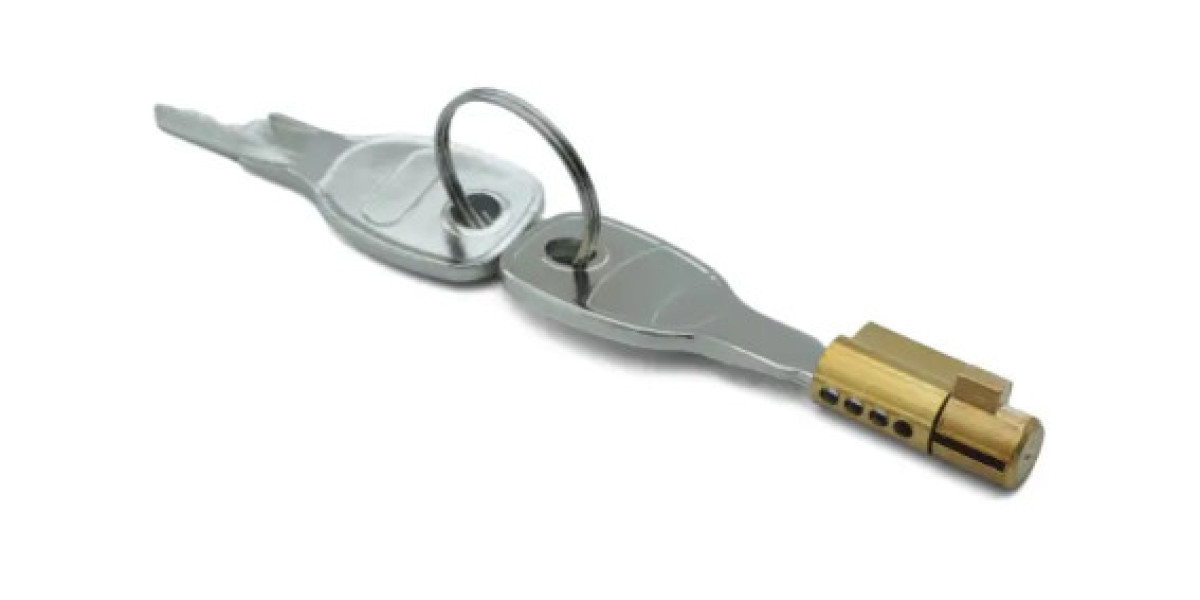

The internal structure of a brushed nickel copper lock cylinder is typically made from brass, which is a copper alloy mixed with zinc. This material is widely used because it machines accurately and supports repeated key operation without fast wear. The copper element also helps maintain corrosion resistance in normal indoor environments, allowing smooth long-term use.
On the outside, the surface of a brushed nickel copper lock cylinder is coated with a thin nickel layer through electroplating. This layer provides a uniform silver tone and adds basic protection against oxidation. After plating, the surface is mechanically brushed to create fine directional lines, which form the characteristic texture seen on the finished product. This brushed effect also helps reduce the visibility of fingerprints and minor scratches during daily use.
Compared with polished or glossy finishes, a brushed nickel copper lock cylinder tends to look more stable and less reflective, making it suitable for environments where hardware is frequently touched. In practical applications, it is often chosen for office doors, residential entry systems, and interior door sets where appearance and moderate durability are both required.
However, a brushed nickel copper lock cylinder has limitations in harsh environments. Prolonged exposure to salt air, moisture, or industrial chemicals can gradually affect the plating layer, eventually revealing the underlying brass. While this does not impact locking performance, it can change the surface appearance over time.
Overall, a brushed nickel copper lock cylinder is designed to combine functional brass-based strength with a decorative nickel finish, making it a balanced option for many standard architectural door systems.