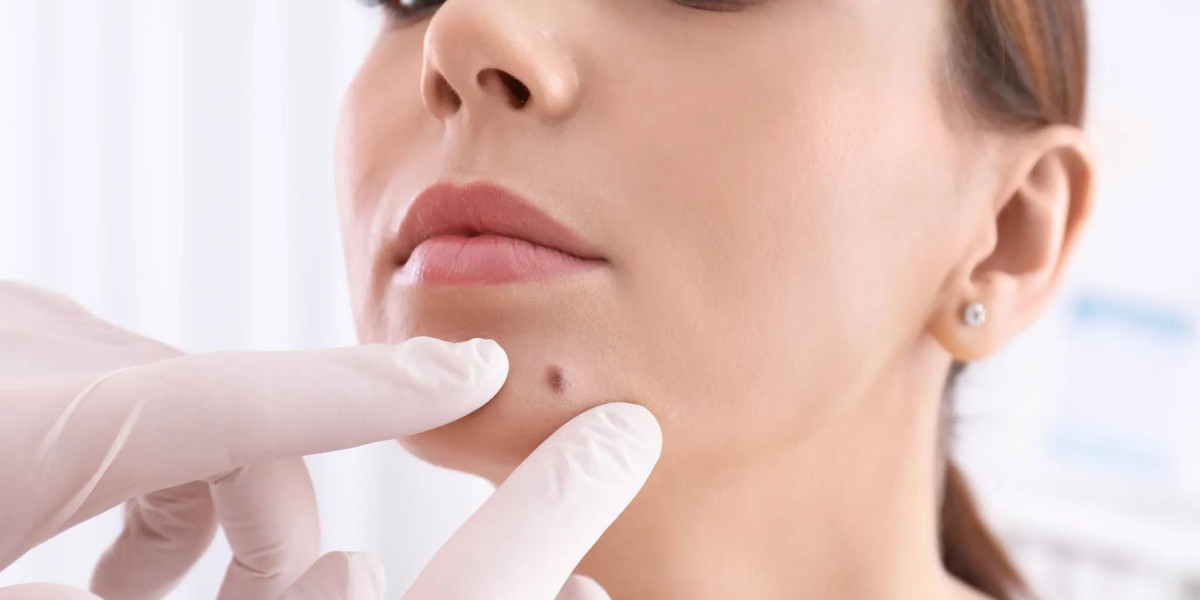

Many people notice changes in their skin over time, and moles are among the most common features that can raise questions. In some cases, individuals begin searching for guidance when a mole changes in appearance, becomes uncomfortable, or simply feels different from how it looked before. Understanding these signs early can help a person make informed decisions about skin health. In many discussions, the topic of Mole removal in Dubai often appears when people are exploring safe and effective options for managing unwanted or changing moles.
Understanding Moles and Skin Changes
Moles are small clusters of pigmented skin cells that can appear anywhere on the body. They may be present from birth or develop later in life. Most moles remain harmless and stable, but skin is constantly exposed to internal and external influences, which can sometimes lead to visible changes.
It is normal for some moles to slightly change in size or color over time. However, when these changes become noticeable or unusual, they may require closer attention. Skin awareness plays an important role in recognizing when a mole no longer appears the same as before.
Signs That Indicate Possible Removal Consideration
One of the most common signs is a visible change in shape. A mole that was once round and symmetrical may begin to look uneven or irregular. This shift can make individuals more conscious of the area, especially when it stands out from surrounding skin.
Another sign is variation in color. A mole that becomes darker, lighter, or develops multiple shades may draw attention. Consistency in color is generally expected in stable moles, so noticeable changes can raise concern.
Size increase is another important factor. When a mole grows gradually or suddenly becomes larger, it may signal that further evaluation is needed. Even small changes in size can be significant when tracked over time.
Texture changes also matter. A mole that becomes rough, raised, or develops an unusual surface compared to its original state may feel different to the touch and appear more prominent.
Physical Changes That Should Not Be Ignored
Some moles may begin to feel different without obvious visual changes. Itching, tenderness, or occasional discomfort can make individuals more aware of the affected area. While not always serious, these sensations can indicate that the mole is undergoing changes.
Bleeding or crusting without any external cause is another sign that often leads to closer observation. A stable mole typically remains unchanged in texture and does not show such developments.
When a mole starts to stand out from others on the body in terms of appearance or behavior, it is often described as an “outlier” mole. These differences can help individuals identify which areas may need attention.
Emotional and Aesthetic Concerns
Apart from physical changes, moles can also influence how a person feels about their appearance. Some individuals may feel self-conscious if a mole is located in a highly visible area. This emotional awareness can affect confidence in social or professional situations.
In other cases, people simply prefer a clearer skin appearance and choose to explore options for removing a mole that they find distracting. The decision is often personal and based on comfort, aesthetics, and peace of mind.
Professional Assessment and Methods
When a mole raises concern, a detailed skin evaluation is typically the first step. The appearance, history, and behavior of the mole are carefully considered. This helps determine whether removal or monitoring is more suitable.
There are different approaches used depending on the mole’s characteristics. One common method is laser-based removal, which focuses on targeting pigmented cells in a precise manner. Another widely used method is surgical excision, where the mole is carefully removed from the skin surface using controlled techniques.
Both approaches are selected based on the mole’s size, depth, and type. The goal is to ensure that the skin is treated in a careful and effective way while maintaining overall skin balance.
Common Treatment Approaches
Laser-based techniques are often chosen for smaller, surface-level moles. This method works by targeting pigment and gradually reducing the mole’s visibility. It is known for precision and is suitable for certain skin types and mole structures.
Surgical excision is typically recommended for deeper or raised moles. This approach involves removing the mole entirely, ensuring that all affected tissue is addressed. It is often used when moles have distinct structural depth or irregular growth patterns.
Both methods aim to restore a smoother skin appearance while addressing the specific characteristics of the mole. The selection between them depends on individual skin needs and professional evaluation.
Recovery and Skin Care Guidance
After a mole is treated, the skin usually goes through a natural healing process. The treated area may gradually settle and blend with surrounding skin over time. Keeping the area clean and protected supports smoother recovery.
It is also important to avoid unnecessary friction or pressure on the treated site. Gentle handling of the skin helps maintain its natural healing rhythm. Observing the skin as it heals allows individuals to notice positive changes over time.
Maintaining overall skin health through hydration and protection from harsh environmental exposure also contributes to better skin appearance in the long term.
FAQs
What are the earliest signs that a mole may need attention?
Early signs often include changes in shape, color, or size. A mole that begins to look different from its original appearance may need closer observation.
Are all changing moles considered a concern?
Not all changes indicate a serious issue. However, consistent or noticeable changes are usually evaluated more carefully to ensure skin health.
Can moles appear later in life?
Yes, moles can develop at different stages of life due to various natural skin processes.
Is removal always necessary for changing moles?
Removal depends on the nature of the mole. Some may only require monitoring, while others may be considered for removal based on their characteristics.
What methods are commonly used for removal?
Laser techniques and surgical excision are two commonly used methods, selected based on mole type and skin condition.
Mole removal in Dubai is often explored by individuals seeking clearer skin appearance and understanding when changes in moles become more noticeable over time.
Conclusion
Recognizing early skin changes is an important part of maintaining overall skin awareness. Moles can remain stable for years, but when they begin to show visible or physical differences, individuals often pay closer attention. Understanding the signs that may indicate a need for further evaluation helps support informed decisions and better skin confidence. With appropriate assessment and suitable methods such as laser techniques or surgical excision, individuals can achieve improved skin clarity and reassurance about their skin health journey.