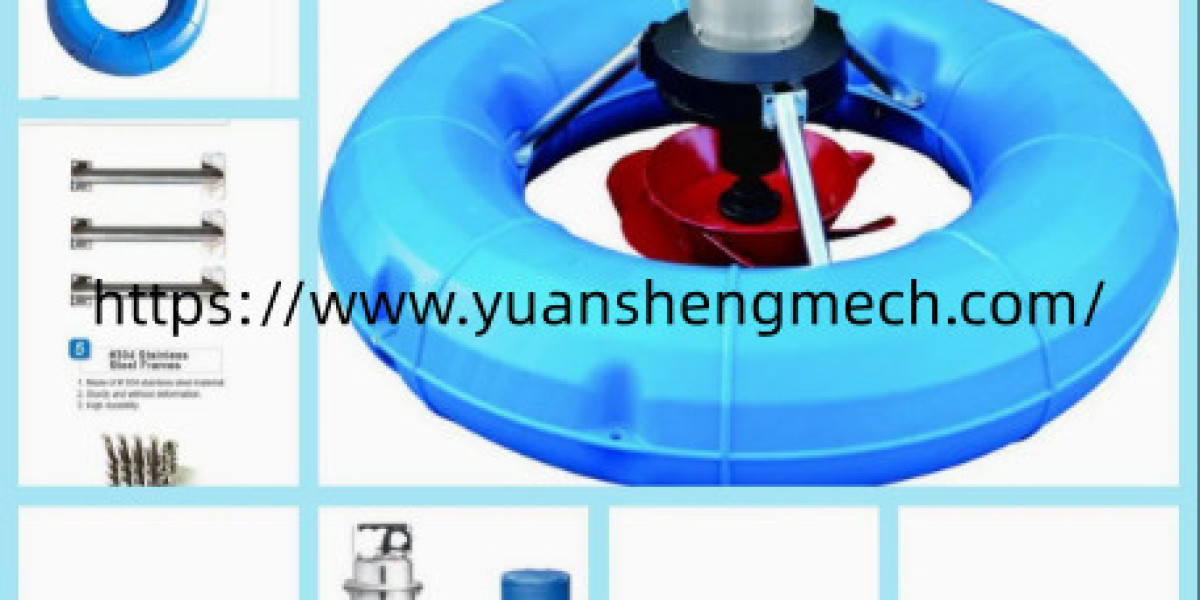

Surge Wave Pond Aerator systems are widely used in aquaculture environments where water circulation and oxygen distribution are important for maintaining stable farming conditions. Before selecting this type of equipment, buyers need to carefully evaluate several practical factors to ensure the system matches their operational requirements and site conditions.
One of the most important considerations is water area size and layout. Different aquaculture environments vary in shape, depth, and total volume. A system that performs well in a small environment may not deliver the same circulation efficiency in a larger or irregular layout. Understanding spatial characteristics helps determine suitable equipment placement and configuration.
Water quality conditions are another key factor. Many aquaculture environments contain varying levels of organic matter, nutrients, and sediment. These elements can influence circulation efficiency and oxygen distribution. Selecting equipment that supports consistent water movement helps maintain a more balanced aquatic environment over time.
Energy consumption is also an important consideration. Aquaculture operations often run continuously, so equipment efficiency plays a role in long term operational planning. Buyers typically evaluate how the system fits into their energy usage strategy, especially in farms where multiple units are installed across different production zones.
Installation requirements should also be reviewed before purchase. Some environments allow for easy setup, while others require more planning due to limited access or structural conditions. Understanding installation flexibility helps ensure smoother deployment and reduces potential adjustments during setup.
Maintenance needs are another practical aspect. Equipment used in aquaculture environments is exposed to water, sediment, and biological materials. Systems that are easier to inspect and maintain can help reduce downtime and support consistent operation throughout farming cycles.
As a manufacturer focused on aquaculture solutions, Yuansheng recognizes that different farms have different operational priorities. Some farms focus on maximizing production efficiency, while others emphasize environmental stability or long term sustainability. Because of these differences, equipment selection should always be aligned with specific farming conditions.
Climate conditions also influence system performance. Temperature changes and seasonal variations can affect oxygen levels and water movement. A stable circulation system helps reduce the impact of these fluctuations and supports more consistent aquatic conditions.
Another important factor is scalability. Many aquaculture operations expand gradually, adding more production zones or increasing capacity over time. Equipment that supports flexible deployment allows farms to adapt without major changes to existing infrastructure.
Operational control is also considered during selection. Some systems may offer adjustable settings that help manage water flow based on seasonal or production needs. This flexibility can contribute to more efficient resource management in daily operations.
Overall, selecting suitable aeration equipment involves balancing multiple factors including water area characteristics, energy usage, maintenance requirements, and long term planning. A careful evaluation process helps ensure the system fits both current and future farming needs.
Yuansheng continues to develop aquaculture solutions designed for practical use, focusing on adaptable system design and stable performance across different farming environments.More information can be found at https://www.yuanshengmech.com/