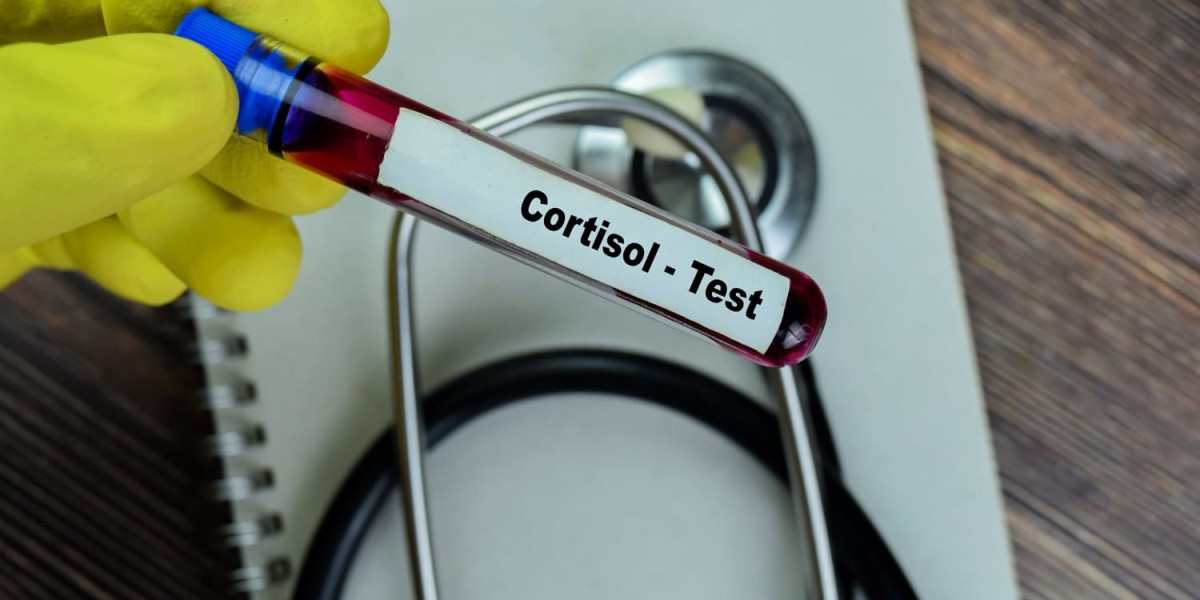

Cortisol is one of the most important hormones in the human body, yet it is often misunderstood. Produced by the adrenal glands, cortisol plays a central role in regulating energy, metabolism, immune response, blood pressure, sleep cycles, and the body’s ability to respond to stress. When cortisol levels become too high or too low, the effects can be felt across nearly every system in the body.
A Cortisol Blood Test Dubai is a key diagnostic tool used by healthcare professionals to identify hormonal imbalance and evaluate adrenal gland function. By analyzing cortisol levels in the bloodstream, doctors can detect early warning signs of endocrine disorders such as Cushing syndrome, Addison’s disease, adrenal insufficiency, and stress-related hormonal dysfunction.
Understanding the signs of high or low cortisol levels helps individuals recognize when something may be wrong and when medical evaluation is necessary.
Cortisol and the Body: The Hormone That Controls Stress and Energy
Cortisol is often called the “stress hormone,” but its function goes far beyond stress response. It is part of the hypothalamic-pituitary-adrenal (HPA) axis, a complex system that regulates how the body reacts to physical and emotional challenges.
Cortisol helps regulate:
- Blood glucose levels and insulin response
- Energy production and metabolism
- Inflammation and immune system activity
- Blood pressure stability
- Sleep-wake rhythm and circadian cycle
- Fat and protein metabolism
Under normal conditions, cortisol follows a daily rhythm, peaking in the morning and gradually declining throughout the day. Any disruption in this pattern may indicate hormonal imbalance.
Understanding the Cortisol Blood Test:
A cortisol blood test measures the amount of cortisol circulating in the bloodstream at a specific time. It is commonly used to assess adrenal gland performance and detect abnormalities in hormone production.
Healthcare providers often use this test to:
- Diagnose adrenal insufficiency or adrenal overactivity
- Evaluate chronic stress effects on the body
- Investigate unexplained fatigue or weight changes
- Assess symptoms of hormonal disorders
- Monitor treatment for endocrine conditions
Since cortisol levels naturally fluctuate throughout the day, timing of the test is extremely important for accurate interpretation.
Signs of High Cortisol Levels: What Your Body May Be Telling You
When cortisol levels remain elevated for long periods, it can disrupt normal body functions. High cortisol may be caused by chronic stress, medication use, adrenal tumors, or endocrine disorders such as Cushing syndrome.
Persistent Weight Gain and Fat Distribution Changes
One of the most noticeable signs of high cortisol is unexplained weight gain, particularly around the abdomen, face, and upper back. This is often accompanied by difficulty losing weight despite diet and exercise.
High Blood Pressure and Cardiovascular Strain:
Excess cortisol can increase blood pressure by affecting sodium retention and vascular function. Over time, this may increase the risk of heart-related complications.
Sleep Disturbances and Insomnia:
Elevated cortisol levels at night interfere with the natural circadian rhythm, making it difficult to fall asleep or stay asleep. Many individuals experience restless nights and daytime fatigue.
Mood Changes and Anxiety Symptoms:
High cortisol is associated with increased anxiety, irritability, restlessness, and emotional instability. It can also contribute to difficulty concentrating and memory problems.
Muscle Weakness and Fatigue:
Although cortisol is involved in energy regulation, excessively high levels can break down muscle tissue, leading to weakness and reduced physical endurance.
Skin Changes and Slow Healing:
Thin skin, easy bruising, and delayed wound healing are common signs of prolonged cortisol elevation, especially in conditions like Cushing syndrome.
Medical Conditions Linked to High Cortisol:
A cortisol blood test may help identify serious underlying disorders associated with excess hormone production.
Cushing Syndrome:
Cushing syndrome occurs when the body is exposed to high cortisol levels for an extended period. It may result from adrenal tumors, pituitary gland abnormalities, or long-term corticosteroid use.
Common symptoms include central obesity, high blood pressure, diabetes risk, and muscle weakness.
Chronic Stress and HPA Axis Overactivation:
Long-term psychological or physical stress can lead to persistent activation of the stress response system, contributing to elevated cortisol levels and metabolic imbalance.
Adrenal Tumors:
Benign or malignant tumors in the adrenal glands can produce excess cortisol, leading to hormonal disruption and systemic symptoms.
Signs of Low Cortisol Levels: When the Body Lacks Hormonal Support
Low cortisol levels indicate that the adrenal glands are not producing enough hormone to meet the body’s needs. This condition may be caused by adrenal insufficiency, Addison’s disease, pituitary dysfunction, or prolonged steroid use.
Chronic Fatigue and Low Energy:
One of the most common symptoms of low cortisol is persistent fatigue that does not improve with rest. Individuals often feel physically and mentally drained throughout the day.
Low Blood Pressure and Dizziness:
Insufficient cortisol can lead to low blood pressure, causing dizziness, fainting, and difficulty standing for long periods.
Unexplained Weight Loss and Loss of Appetite:
Unlike high cortisol conditions, low cortisol may result in weight loss, reduced appetite, and difficulty maintaining healthy body mass.
Muscle Weakness and Reduced Stamina:
Low cortisol affects energy metabolism, leading to muscle weakness and reduced ability to perform physical activities.
Mood Instability and Depression:
Low cortisol levels may contribute to depressive symptoms, irritability, and reduced stress tolerance due to hormonal imbalance.
Salt Cravings and Electrolyte Imbalance:
A distinctive symptom of adrenal insufficiency is craving salty foods, often linked to sodium imbalance in the body.
Conditions Associated With Low Cortisol:
Addison’s Disease:
Addison’s disease is a chronic condition where the adrenal glands are damaged and cannot produce sufficient cortisol. It can be life-threatening if untreated and often requires lifelong hormone replacement therapy.
Secondary Adrenal Insufficiency:
This condition occurs when the pituitary gland fails to produce enough ACTH, reducing cortisol production from the adrenal glands.
Long-Term Steroid Withdrawal:
Sudden discontinuation of corticosteroid medications can temporarily suppress natural cortisol production, leading to adrenal suppression symptoms.
Why Cortisol Symptoms Are Often Misunderstood?
One of the biggest challenges in diagnosing cortisol imbalance is that symptoms of high and low cortisol often overlap with other conditions such as thyroid disorders, anemia, vitamin deficiencies, and chronic fatigue syndrome.
For example:
- Fatigue can occur in both high and low cortisol states
- Weight changes may result from multiple metabolic conditions
- Mood disorders can be linked to various hormonal and neurological factors
This is why a cortisol blood test is essential for accurate diagnosis rather than relying on symptoms alone.
How Doctors Interpret Cortisol Blood Test Results?
Interpreting cortisol levels requires more than just checking whether results fall inside or outside a reference range.
Healthcare providers consider:
- Time of day the sample was taken
- Patient’s medical history and symptoms
- Medication usage such as corticosteroids or hormone therapy
- Stress levels and recent illness
- Additional hormone test results such as ACTH levels
This comprehensive approach ensures accurate identification of hormonal disorders.
Additional Tests That Support Cortisol Diagnosis:
To confirm abnormal cortisol levels, doctors may recommend further testing such as:
- ACTH stimulation test to evaluate adrenal response
- Salivary cortisol tests for circadian rhythm analysis
- 24-hour urinary cortisol test for overall hormone production
- Imaging tests if tumors are suspected
These tests provide a more complete picture of adrenal and pituitary function.
Lifestyle Factors That Influence Cortisol Levels:
Cortisol levels can also be affected by everyday habits and environmental factors.
Key influences include:
- Chronic psychological stress
- Poor sleep quality or irregular sleep patterns
- Excessive caffeine or stimulant use
- Intense physical training without recovery
- Poor nutrition and blood sugar imbalance
While these factors may not directly cause disease, they can significantly impact hormone balance over time.
Conclusion: Recognizing the Warning Signs of Cortisol Imbalance
A cortisol blood Lab tests is a powerful diagnostic tool that helps identify whether the body is producing too much or too little cortisol. Recognizing the signs of high cortisol such as weight gain, anxiety, high blood pressure, and sleep disturbances, or low cortisol symptoms like fatigue, dizziness, and weight loss, is essential for early detection of hormonal disorders.
Conditions like Cushing syndrome, Addison’s disease, and adrenal insufficiency highlight the importance of accurate cortisol measurement in modern healthcare. Because cortisol affects so many body systems, abnormal levels can have widespread effects on physical, emotional, and metabolic health.
Understanding cortisol imbalance allows individuals to seek timely medical evaluation, improve long-term health outcomes, and restore hormonal balance through proper diagnosis and treatment.