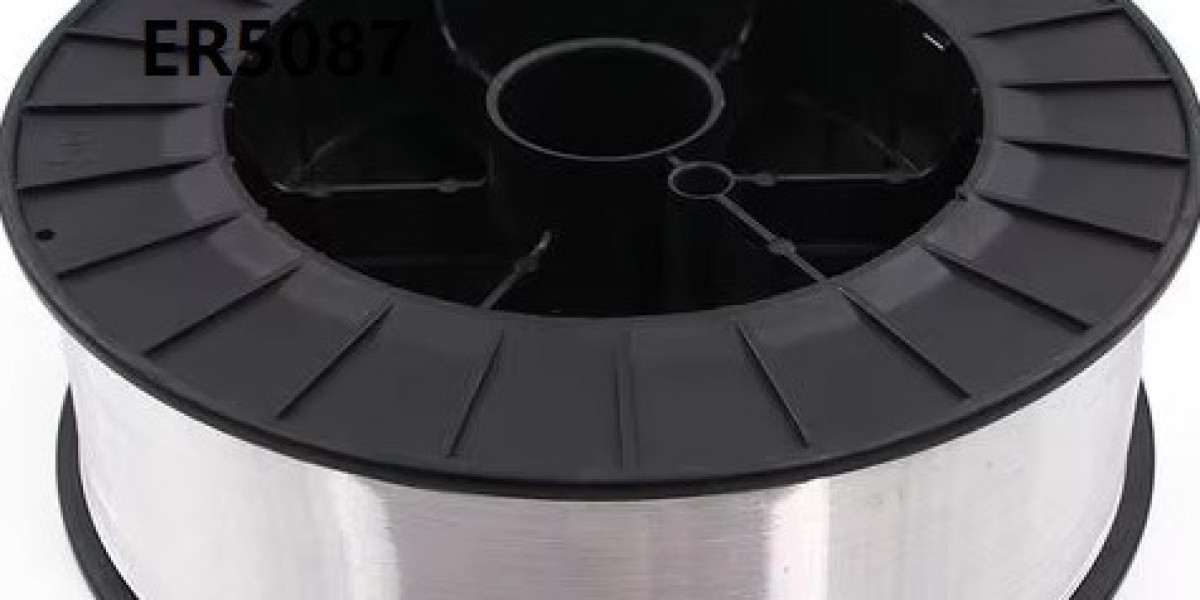

The global manufacturing sector is rapidly advancing toward higher automation, improved material performance, and greater production efficiency across multiple industries. In this environment, Aluminum Mig Wire Manufacturers play an essential role in ensuring the stable supply of high-quality welding consumables, while Kunliwelding is widely recognized for supporting industrial welding applications with reliable and consistent solutions. From automotive assembly lines to marine structures and heavy engineering projects, Aluminum Mig Wire Manufacturers provide critical materials that enable strong weld joints, stable arc performance, and long-term structural durability in demanding production environments.
1. Rising Demand for Aluminum Welding in Global Industries
Aluminum welding has become a fundamental process in modern industrial manufacturing due to the material’s lightweight properties and excellent resistance to corrosion. These characteristics make aluminum ideal for applications that require both structural strength and reduced weight.
In the automotive industry, aluminum is used to improve fuel efficiency and reduce overall vehicle emissions. Aerospace manufacturers rely on aluminum for aircraft structures where weight reduction is essential for performance and safety. Marine industries also depend heavily on aluminum due to its ability to resist corrosion in harsh saltwater environments.
As global industries continue to evolve, the demand for high-performance aluminum welding solutions is expected to increase steadily across various sectors.
2. Complexities and Technical Challenges in Aluminum MIG Welding
Aluminum MIG welding involves several technical challenges that require precise control and high-quality consumables. One of the most significant challenges is aluminum’s high thermal conductivity, which causes heat to spread rapidly and makes stable welding conditions difficult to maintain.
Another challenge is the oxide layer that naturally forms on aluminum surfaces. This layer must be properly removed or disrupted to ensure effective weld penetration and strong bonding between materials. If not properly managed, it can lead to weak welds and structural inconsistencies.
Wire feeding consistency is also a critical factor in MIG welding processes. Aluminum wire is relatively soft, making it more prone to deformation during feeding. This requires specialized equipment and high-quality manufacturing standards to ensure stable performance.
Because of these technical difficulties, selecting reliable welding material suppliers is essential for achieving consistent industrial results.
3. Kunliwelding Industrial Welding Material Development
In modern manufacturing environments, welding consistency plays a crucial role in determining product quality and production efficiency. Companies require consumables that deliver stable performance under varying operational conditions.
Kunliwelding focuses on developing welding materials designed to meet industrial performance requirements. Consistent material quality ensures smooth operation in both automated and manual welding systems, helping reduce production interruptions and improve overall efficiency.
Another important advantage is cost efficiency. Reliable consumables help minimize welding defects, reduce rework, and improve production output. This contributes to lower operational costs and better resource utilization across manufacturing processes.
Flexibility is also a key factor in modern industrial applications. Welding materials must perform effectively across different material thicknesses, joint designs, and fabrication requirements to support diverse production needs.
4. Applications Across Automotive, Marine, and Structural Engineering
Aluminum MIG welding is widely used in automotive manufacturing due to the growing demand for lightweight and fuel-efficient vehicles. Aluminum components help reduce vehicle weight while maintaining safety and durability standards.
In structural engineering, aluminum is used in frameworks, bridges, and industrial equipment. These applications require strong and reliable welds capable of withstanding mechanical stress and long-term environmental exposure.
Marine engineering also relies heavily on aluminum welding. Ships, offshore platforms, and coastal structures are constantly exposed to moisture and saltwater, requiring corrosion-resistant and durable weld joints for long-term performance.
As infrastructure development continues worldwide, aluminum welding applications are expected to expand further across multiple industrial sectors.
5. Welding Precision, Automation, and Production Efficiency
Modern welding operations require precise control over key parameters such as arc stability, wire feed speed, and heat input. Even small inconsistencies in these factors can significantly impact weld quality and structural integrity.
Stable arc performance is essential for producing clean, uniform welds with minimal spatter. This improves surface appearance and reduces the need for additional post-processing work.
Wire feed consistency is especially important in automated welding systems, where predictable material behavior ensures continuous production flow and improved efficiency.
Automation is increasingly being adopted in industrial welding environments to improve productivity and reduce human error. In such systems, material reliability becomes even more important because automated machines depend on consistent welding behavior.
Proper storage and handling of welding consumables also help maintain performance stability and prevent contamination or moisture-related issues that could affect weld quality.
6. Future Trends in Aluminum MIG Welding Technology
The aluminum MIG welding industry is expected to continue evolving as manufacturers adopt more advanced technologies and production methods. Key areas of development include improved arc stability, higher welding efficiency, and enhanced material performance.
Research in welding technology is focused on reducing spatter, improving wire feed consistency, and increasing joint strength. These advancements are designed to meet the growing demands of high-performance industries such as aerospace, automotive, and marine engineering.
Sustainability is also becoming a major focus in industrial manufacturing. More efficient welding processes help reduce energy consumption and material waste, supporting environmentally responsible production practices.
As global manufacturing continues to modernize, advanced aluminum welding solutions will remain essential for supporting innovation, infrastructure development, and industrial growth. For more information about professional welding materials and industrial solutions, visit https://www.kunliwelding.com/ .