
Introduction
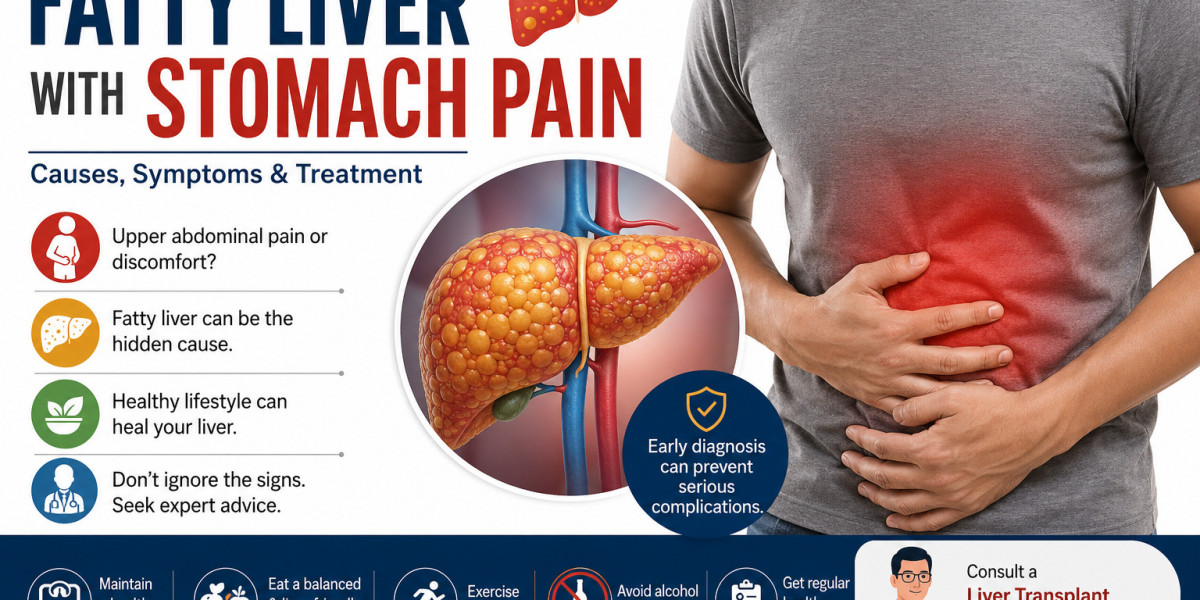
Have you been experiencing stomach pain and wondering if your liver could be the reason? You're not alone. Many people diagnosed with fatty liver disease often report discomfort or pain in the upper abdomen. While fatty liver may seem harmless in its early stages, ignoring symptoms can lead to serious liver complications over time.
Think of your liver as the body's hardworking cleaning machine. When excess fat starts accumulating inside it, the machine begins to struggle. As the condition progresses, you may notice symptoms such as stomach pain, fatigue, bloating, and digestive discomfort.
In this article, we'll explore everything you need to know about fatty liver with stomach pain, including causes, symptoms, diagnosis, treatment options, prevention strategies, and when you should seek help from a Liver Transplant Specialist Doctor.
1. What Is Fatty Liver Disease?
Fatty liver disease occurs when excess fat accumulates inside liver cells. Normally, a small amount of fat in the liver is harmless. However, when fat makes up more than 5% to 10% of the liver's weight, it becomes a medical concern.
The condition is becoming increasingly common due to rising rates of obesity, diabetes, and unhealthy lifestyles.
There are two major forms of fatty liver disease:
- Non-Alcoholic Fatty Liver Disease (NAFLD)
- Alcohol-Related Fatty Liver Disease (AFLD)
Both conditions can cause liver inflammation and eventually lead to liver damage if left untreated.
2. Can Fatty Liver Cause Stomach Pain?
Yes, fatty liver can cause stomach pain, although not everyone experiences it.
The pain is usually felt in the:
- Upper right side of the abdomen
- Area just below the rib cage
- Upper middle abdomen
Many people describe the discomfort as:
- A dull ache
- A feeling of fullness
- Mild pressure
- Persistent abdominal discomfort
The pain may become more noticeable after eating large meals or consuming fatty foods.
3. Why Does Fatty Liver Cause Pain?
Liver Enlargement
As fat accumulates, the liver may enlarge. The liver itself doesn't contain pain-sensitive nerves, but its outer covering does.
When the liver expands, it stretches this covering, causing discomfort or pain.
Inflammation
Fatty liver can trigger inflammation, particularly in advanced stages. This inflammation can contribute to abdominal tenderness and pain.
Associated Digestive Problems
Many people with fatty liver also experience:
- Indigestion
- Acid reflux
- Bloating
- Gas
These issues can make stomach pain feel worse.
4. Common Symptoms of Fatty Liver
Fatty liver disease is often called a "silent disease" because symptoms may not appear in the early stages.
As the condition progresses, symptoms may include:
Physical Symptoms
- Upper abdominal pain
- Fatigue
- Weakness
- Loss of appetite
- Nausea
- Bloating
Advanced Symptoms
- Swelling in the abdomen
- Yellowing of the skin (jaundice)
- Dark urine
- Confusion
- Unexplained weight loss
If you notice advanced symptoms, seek medical attention immediately.
5. Types of Fatty Liver Disease
Non-Alcoholic Fatty Liver Disease (NAFLD)
This is the most common type and affects people who drink little or no alcohol.
Non-Alcoholic Steatohepatitis (NASH)
NASH is a more severe form of NAFLD that includes inflammation and liver cell damage.
Alcohol-Related Fatty Liver Disease
Excessive alcohol consumption can lead to fat accumulation in the liver.
Acute Fatty Liver of Pregnancy
A rare but serious condition that occurs during pregnancy.
6. Risk Factors for Fatty Liver
Several factors increase your chances of developing fatty liver disease.
Metabolic Conditions
- Type 2 diabetes
- High cholesterol
- High triglycerides
- Obesity
Lifestyle Factors
- Sedentary lifestyle
- Poor diet
- Excessive alcohol consumption
Other Risk Factors
- High blood pressure
- Sleep apnea
- Polycystic ovary syndrome (PCOS)
- Family history of liver disease
Understanding these risk factors can help you take preventive action early.
7. How Fatty Liver Is Diagnosed
If you're experiencing stomach pain and suspect liver problems, your doctor may recommend several tests.
Physical Examination
The doctor may check for liver enlargement and abdominal tenderness.
Blood Tests
These tests assess liver function and inflammation levels.
Imaging Tests
Common imaging methods include:
- Ultrasound
- CT scan
- MRI
- FibroScan
Liver Biopsy
In some cases, a biopsy may be necessary to determine the extent of liver damage.
Early diagnosis greatly improves treatment outcomes.
8. When Stomach Pain Indicates a Serious Problem
Not all abdominal pain is related to fatty liver. However, certain warning signs require immediate medical attention.
Seek Emergency Care If You Experience:
- Severe abdominal pain
- Vomiting blood
- Black stools
- Jaundice
- Sudden swelling in the abdomen
- High fever with abdominal pain
These symptoms may indicate advanced liver disease or another serious medical condition.
9. Treatment Options for Fatty Liver
Currently, there is no single medication that completely cures fatty liver disease. Treatment focuses on addressing the underlying cause.
Weight Management
Losing just 5% to 10% of body weight can significantly reduce liver fat.
Managing Diabetes
Good blood sugar control helps prevent further liver damage.
Reducing Cholesterol
Lowering cholesterol and triglyceride levels can improve liver health.
Avoiding Alcohol
Alcohol can worsen liver inflammation and accelerate disease progression.
10. Diet Tips for Managing Fatty Liver
Your diet plays a major role in liver health.
Foods to Eat
- Fresh fruits
- Vegetables
- Whole grains
- Lean protein
- Fish rich in omega-3 fatty acids
- Nuts and seeds
Foods to Limit
- Sugary drinks
- Processed foods
- Fried foods
- White bread
- Excessive red meat
Hydration Matters
Drink plenty of water throughout the day to support liver function.
11. Lifestyle Changes That Help
Simple daily habits can make a significant difference.
Exercise Regularly
Aim for at least 150 minutes of moderate exercise each week.
Improve Sleep Quality
Poor sleep is linked to worsening fatty liver disease.
Manage Stress
Chronic stress can negatively affect overall health and lifestyle choices.
Quit Smoking
Smoking increases inflammation and may worsen liver damage.
Consistency is more important than perfection when making lifestyle changes.
12. Complications of Untreated Fatty Liver
Ignoring fatty liver symptoms can lead to serious consequences.
Liver Fibrosis
Scar tissue begins to replace healthy liver tissue.
Cirrhosis
Extensive scarring reduces the liver's ability to function.
Liver Failure
The liver may eventually stop functioning properly.
Liver Cancer
Advanced fatty liver disease increases the risk of liver cancer.
This is why early intervention is critical.
13. When to Consult a Liver Transplant Specialist Doctor
Many people wonder when they should see a Liver Transplant Specialist Doctor.
Consider consulting a specialist if:
- Fatty liver symptoms persist despite treatment
- Liver enzyme levels remain elevated
- Imaging tests show fibrosis or cirrhosis
- You experience ongoing stomach pain
- Signs of liver failure develop
A Liver Transplant Specialist Doctor can evaluate liver function, recommend advanced treatment options, and monitor disease progression.
In severe cases where liver failure occurs, a liver transplant may become necessary. Early specialist involvement often helps prevent complications and improves long-term outcomes.
14. Prevention Tips
Preventing fatty liver is often easier than treating advanced disease.
Maintain a Healthy Weight
Even modest weight loss can significantly improve liver health.
Eat a Balanced Diet
Focus on nutrient-rich foods and avoid excessive sugar.
Exercise Consistently
Regular physical activity helps reduce liver fat.
Limit Alcohol Intake
Reducing alcohol consumption protects liver cells.
Get Regular Health Checkups
Routine blood tests can identify liver problems before symptoms appear.
15. Key Takeaways
Fatty liver with stomach pain should never be ignored. While the discomfort is often mild, it can be an important warning sign that your liver is under stress.
The good news is that fatty liver disease is often reversible when detected early. Healthy eating, regular exercise, weight management, and proper medical care can significantly improve liver function and reduce symptoms.
If your stomach pain persists or you have signs of advanced liver disease, consulting a Liver Transplant Specialist Doctor can help ensure timely diagnosis and effective treatment.
Conclusion
Fatty liver disease has become one of the most common liver conditions worldwide. Although many people experience no symptoms, stomach pain can be an early indicator that the liver is becoming enlarged or inflamed. Understanding the causes, recognizing warning signs, and making healthy lifestyle changes can help prevent serious complications.
Remember, your liver works around the clock to keep your body healthy. Taking care of it today can save you from major health problems tomorrow. If symptoms persist, don't hesitate to seek guidance from a qualified Liver Transplant Specialist Doctor for proper evaluation and treatment.
FAQs
1. Can fatty liver cause stomach pain every day?
Yes. Some individuals experience daily discomfort, especially in the upper right abdomen, due to liver enlargement or inflammation.
2. Is stomach pain a sign of advanced fatty liver disease?
Not always. Stomach pain can occur in both early and advanced stages, but severe or worsening pain should be medically evaluated.
3. Can losing weight reduce stomach pain caused by fatty liver?
Yes. Weight loss often reduces liver fat and inflammation, which may help relieve abdominal discomfort.
4. What foods should I avoid if I have fatty liver with stomach pain?
Avoid fried foods, sugary beverages, processed snacks, excessive alcohol, and foods high in saturated fats.
5. When should I see a Liver Transplant Specialist Doctor for fatty liver disease?
You should consult a Liver Transplant Specialist Doctor if symptoms persist, liver function tests remain abnormal, or there are signs of fibrosis, cirrhosis, or liver failure.