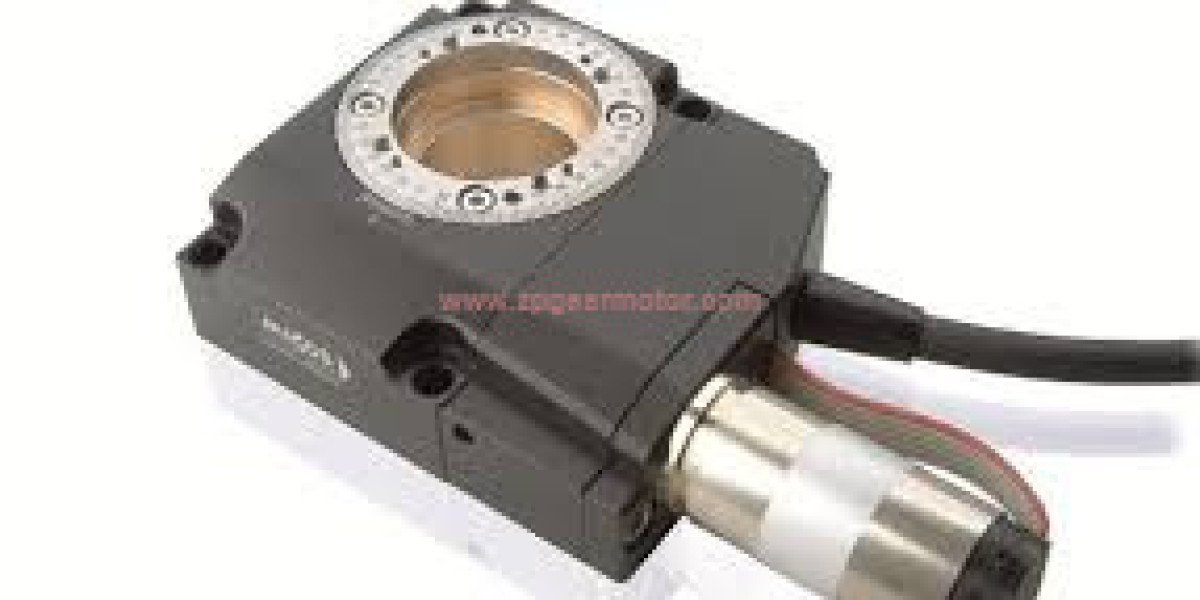

Can a Precision Gear Motor reduce energy consumption while maintaining high torque output? This question drives engineering choices across automated packaging, printing, and material handling. Factory managers and machine builders constantly seek a drive solution that does not force a trade-off between electrical cost and mechanical force. A precision gear motor from zpgearmotor offers a direct answer to this long-standing performance puzzle.
Many standard gear motors waste energy through friction, poor gear geometry, or inefficient lubrication. They generate heat instead of useful rotation. When torque demand rises, current draw jumps sharply, reducing overall system efficiency. A properly engineered alternative changes this equation. By optimizing tooth profiles, bearing arrangements, and housing rigidity, a high-grade unit reduces internal losses. Lower friction means less current for the same load. Heat generation drops. Power consumption falls while output torque remains stable or even improves because less energy turns into waste heat.
The mechanical design of a planetary gear train exemplifies this approach. Planetary systems distribute load across multiple gear teeth simultaneously. This shared contact reduces stress on each tooth and minimizes sliding friction. Consequently, the motor requires fewer amperes to produce a given newton-meter of torque. Testing on identical load cycles shows that a conventional spur-gear motor may draw thirty percent higher current than a planetary precision unit under continuous heavy load. The difference becomes savings on every shift, every day.
Material selection further shapes energy efficiency. Hardened and ground gears maintain their shape over thousands of hours. Softer gears deform slightly under load, increasing contact area and friction. A precision gear motor maintains tight tolerances because components resist wear. Higher manufacturing precision also reduces backlash. Low backlash not only serves positioning accuracy but also cuts energy loss from gear teeth impacting repeatedly during direction changes. Each impact wastes a small amount of power. Eliminating that waste accumulates into meaningful reduction.
Sealing and lubrication complete the efficiency picture. A well-sealed housing keeps contaminants out and lubricant in. Synthetic oil with proper viscosity reduces churning loss—the energy wasted when gears spin through thick fluid. Some designs use grease for life, avoiding churning loss entirely. The right lubrication strategy can lower no-load running current by a measurable fraction. When multiplied by operating hours, the energy saved equals real currency.
Real-world applications confirm these principles. A flexographic printing press runs its main drive for hours without stop. Substituting an inefficient gear motor would add significant cost to each printed roll. Conversely, a high-efficiency unit lowers electrical expense while maintaining print registration accuracy through steady torque. The press does not slow under varying load. Color consistency improves because speed remains constant. Energy audits of such retrofits frequently report consumption drops without any reduction in production speed or product quality.
For a box gluing machine, torque demand changes as glued flaps pass through compression sections. A precision gear motor responds to these variations without surging current. Smooth torque delivery keeps the glued joint intact while avoiding unnecessary peaks in power draw. The machine runs cooler and quieter. Component life extends because less heat degrades winding insulation. Maintenance intervals lengthen. Overall operating cost decreases.
Visitors seeking to evaluate such performance data will find technical specifications and application guides at https://www.zpgearmotor.com/ . That resource provides detailed efficiency curves and torque ratings for various load profiles. Understanding whether a drive upgrade yields net savings requires comparing actual loss values. Every motion system has unique duty cycles. A proper match between motor characteristics and load pattern unlocks the full potential of energy-efficient gearing.
The choice of a gear motor influences not just a single machine but the entire plant's electrical demand. Multiple high-torque drives operating simultaneously on a production floor create cumulative power draw. Replacing older units with modern precision designs reduces total consumption without requiring changes to production schedules or output targets. Facility managers gain lower utility bills and a smaller environmental footprint. Production engineers obtain reliable torque for consistent product quality.
So when facing the question of achieving high torque with low energy use, examine the gear motor's internal design, material quality, and lubrication method. Does your current drive waste power as heat and noise, or does it convert nearly all input energy into useful rotation?











