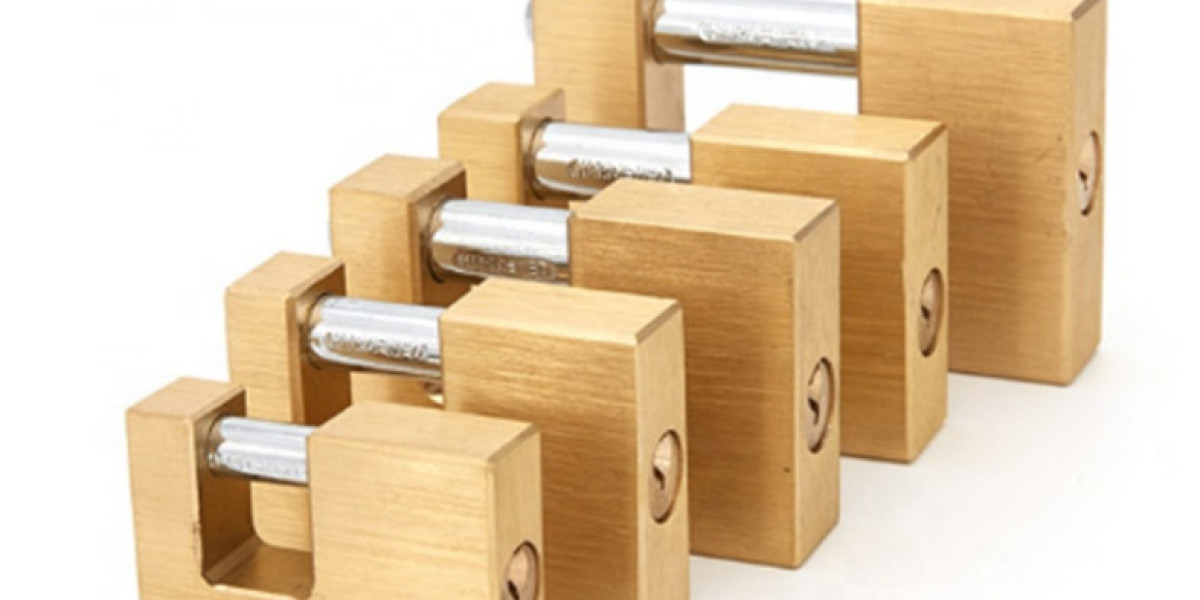

A High Security Padlock is engineered to resist forced entry by combining hardened materials, precision machining, and anti-tamper internal mechanisms. Unlike basic locking devices, it is designed for environments where cutting, drilling, and picking attempts are likely threats.
One of the key engineering improvements is the use of boron alloy or hardened steel shackles. These materials can achieve hardness levels above 50 HRC (Rockwell Hardness Scale), significantly increasing resistance to bolt cutters and saw attacks. Some models use shrouded shackles, where the shackle is partially enclosed by the lock body to reduce exposed attack surfaces.
Inside the lock body, most high-security designs use 5–6 pin tumbler cylinders or disc detainer systems. Pin systems rely on precisely aligned pins that must match the key pattern exactly. Disc systems, on the other hand, use rotating discs that make picking far more complex due to torque resistance and internal spacing tolerances as small as 0.01 mm.
Additional engineering protections include:
Anti-drill plates made of hardened steel
Ball-bearing locking mechanisms to prevent pulling attacks
Dual locking points inside the shackle base
Corrosion-resistant coatings for outdoor durability
Typical technical specifications include shackle diameters ranging from 8 mm to 13 mm, body widths from 30 mm to 70 mm, and tensile resistance above 10 kN in high-grade models.
In industrial applications, a High Security Padlock is commonly used for gates, containers, and electrical cabinets where physical intrusion risks are higher. The design goal is not just locking, but delaying and deterring forced entry long enough for detection or response systems to activate.
Ultimately, the engineering behind these locks is focused on layered resistance, ensuring that multiple attack methods must be defeated simultaneously.