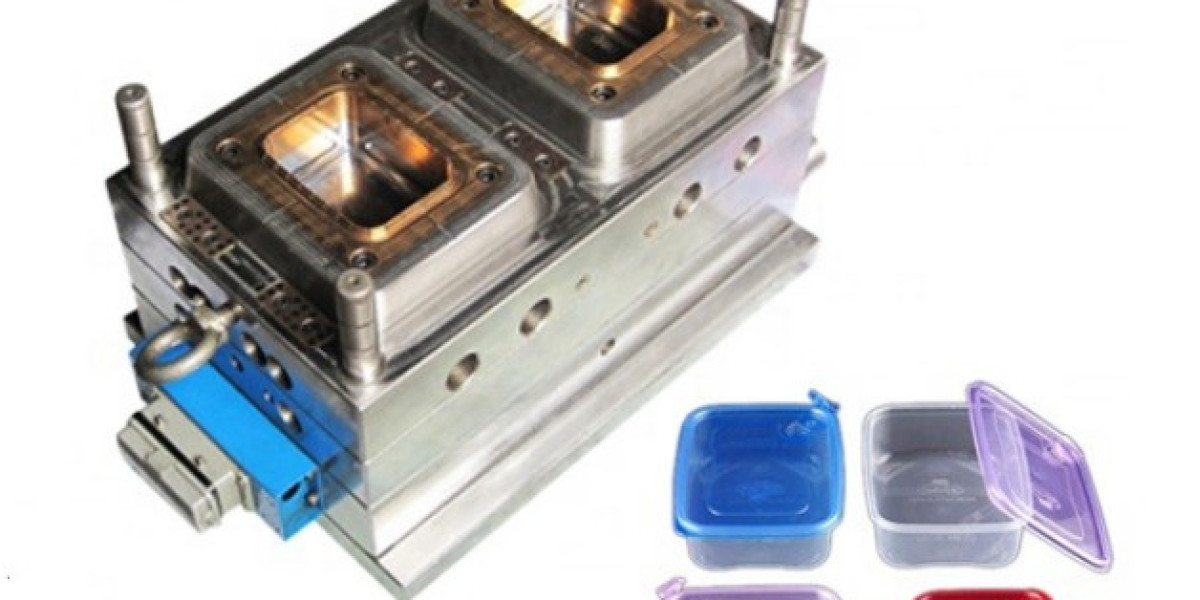

Plastic injection molding is widely used in manufacturing industries due to its ability to produce complex plastic components with high repeatability and efficiency. At the center of this process is the Plastic Injection Mold, which determines product quality, dimensional stability, and production efficiency.
A typical injection mold consists of a cavity system, core system, runner system, cooling channels, and ejection mechanism. The design of each section directly influences molding performance. For example, wall thickness is generally recommended to be maintained within 1–4 mm to reduce shrinkage imbalance and warpage. Uniform thickness is critical to ensure consistent cooling and reduce internal stress.
Draft angles are another essential design factor. Most engineering applications require a minimum draft of 0.5° to 2° depending on surface texture. Without sufficient draft, parts may experience ejection resistance, leading to surface defects or mold wear.
Cooling channel layout also plays a major role in cycle time efficiency. In many industrial molds, cooling accounts for 30%–70% of total cycle time. Properly designed cooling circuits using water at controlled temperature can significantly improve cycle stability.
Gate position and runner design affect material flow behavior. Poor gate placement may result in weld lines, air traps, or uneven filling. Engineers often use simulation tools to optimize flow balance before manufacturing.
A professional Plastic Injection Mold Manufacturer usually performs design validation through mold flow analysis, ensuring that shrinkage, warpage, and filling patterns are controlled before production begins. This reduces trial costs and improves mass production stability.
In modern manufacturing environments, mold design is no longer just mechanical structure planning; it is a combination of thermal engineering, fluid dynamics, and material science. A well-designed mold ensures longer service life, often exceeding 500,000 to 1,000,000 cycles depending on steel grade and maintenance level.
As industries continue to demand higher precision components, optimized mold design remains the foundation of efficient plastic injection production.