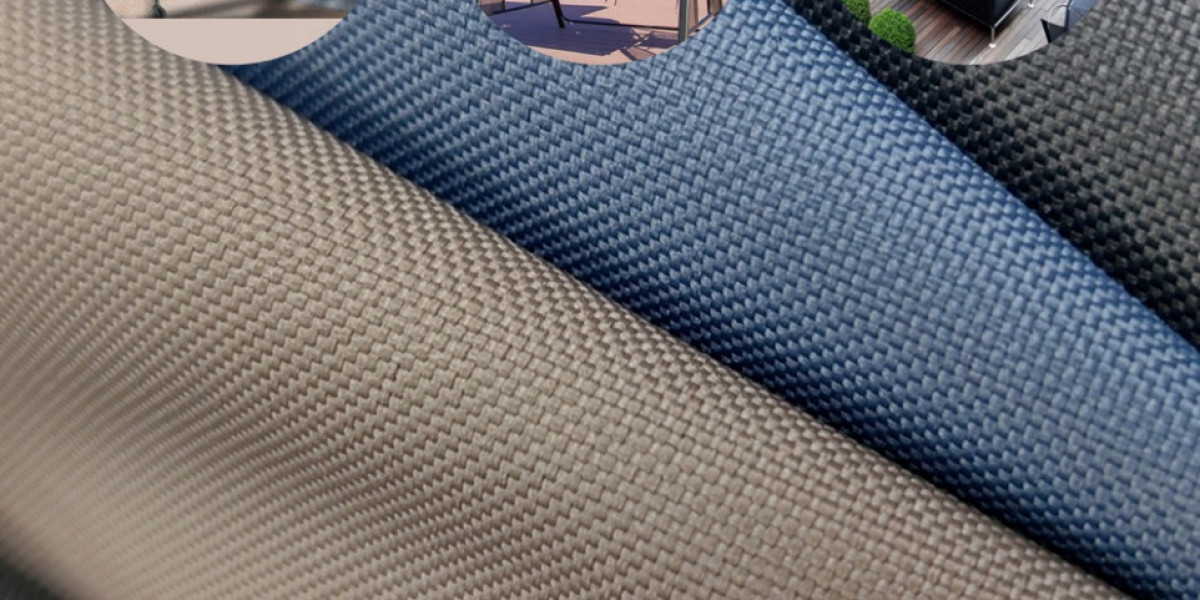

Oxford Fabric is widely recognized as a versatile woven textile used in industries ranging from outdoor equipment to luggage manufacturing. Its performance advantage comes primarily from its unique basket weave structure, which distinguishes it from standard plain weaves.
At the core of Oxford fabric is the interlacing method of yarns. Unlike a simple 1×1 weave, the basket weave structure typically uses grouped yarns (such as 2×1 or 2×2 interlacing). This configuration increases contact area between yarn bundles, improving overall fabric stability and resistance to deformation. Technical studies show that this structure can improve tear resistance by distributing stress more evenly across the yarn network.
Another key factor is yarn specification, commonly described in denier (D). Oxford fabrics are often produced in ranges such as 150D, 300D, 600D, and even up to 1680D. Lower denier versions are lighter and more flexible, suitable for lining materials or lightweight covers, while higher denier versions provide significantly greater abrasion resistance for heavy-duty applications like luggage shells or industrial covers.
Fabric density (often expressed in GSM or thread count such as 64T–168T in technical descriptions) also plays a critical role. Higher density Oxford materials typically show better wind resistance and reduced water penetration before coating is applied.
In most industrial applications, Oxford Fabric is not used in its raw woven form. Instead, it undergoes functional finishing processes such as polyurethane (PU) coating, polyvinyl chloride (PVC) lamination, or thermoplastic polyurethane (TPU) bonding. These treatments transform the base textile into water-resistant or waterproof material systems suitable for outdoor environments.
The versatility of Oxford-based textiles is one reason they are widely adopted in manufacturing sectors requiring cost efficiency and functional durability. The material can be engineered to balance softness, rigidity, breathability, and protective performance depending on end-use requirements.
From an engineering perspective, Oxford fabric represents a modular textile platform rather than a single standardized product. Its properties are defined by fiber selection (polyester or nylon), yarn thickness, weave density, and finishing technology.












