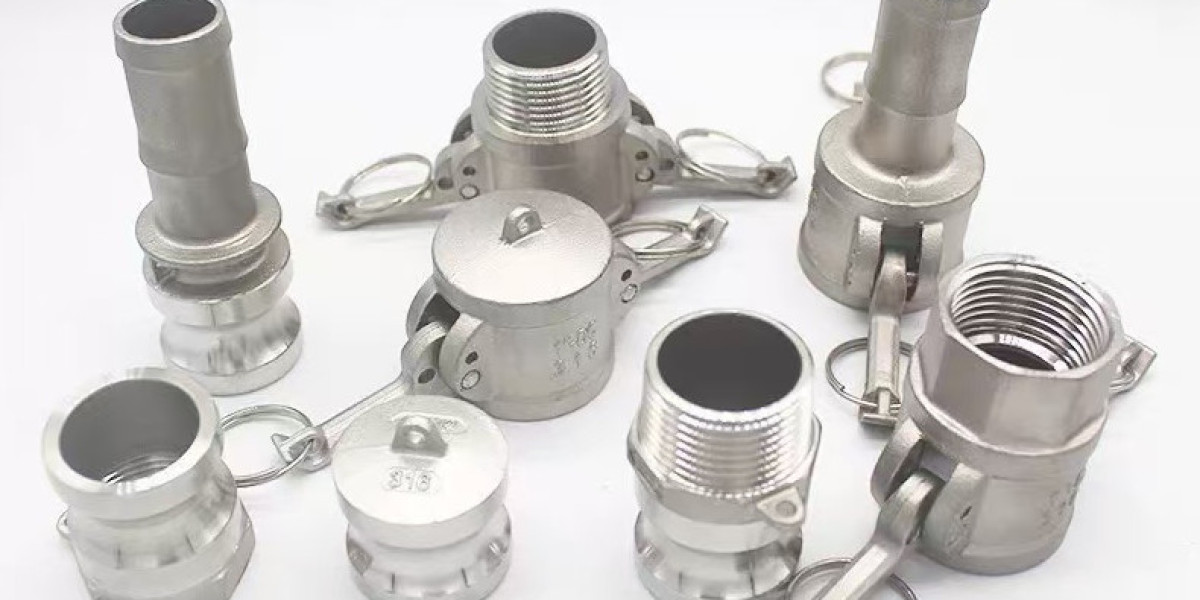

In modern fire protection engineering, response speed is directly linked to connection efficiency between hoses and water supply systems. One of the most widely used components in this field is the Instantaneous Fire Coupling, designed to enable rapid hose connection without threaded rotation, significantly reducing setup time in emergency operations.
This type of coupling is commonly built according to BS336-type design principles and typically includes a male and female head with a spring-loaded locking mechanism. The female side contains internal plungers that engage with a raised lip on the male end, forming a secure mechanical lock. Under working conditions, water pressure between 10–16 bar helps energize the sealing gasket, improving leak resistance during operation.
Standard sizes such as 1.5", 2", and 2.5" are widely used in fire hose systems, making them compatible with hydrants, pumps, and branch pipes. Materials are generally aluminum alloy for lightweight handling or gunmetal for enhanced corrosion resistance in marine or industrial environments.
A key operational advantage is its quarter-turn or push-and-lock mechanism, allowing firefighters to connect hose lines even under low visibility conditions. The system also supports high-flow water delivery, which is essential in structural fire suppression.
Beyond firefighting, these couplings are also applied in municipal water distribution, irrigation systems, and temporary industrial water transfer setups. Their durability and standardized structure make them a reliable choice for repeated use in harsh environments.
The Instantaneous Fire Coupling continues to play a vital role in improving emergency efficiency by minimizing connection delays and ensuring stable water delivery under pressure.