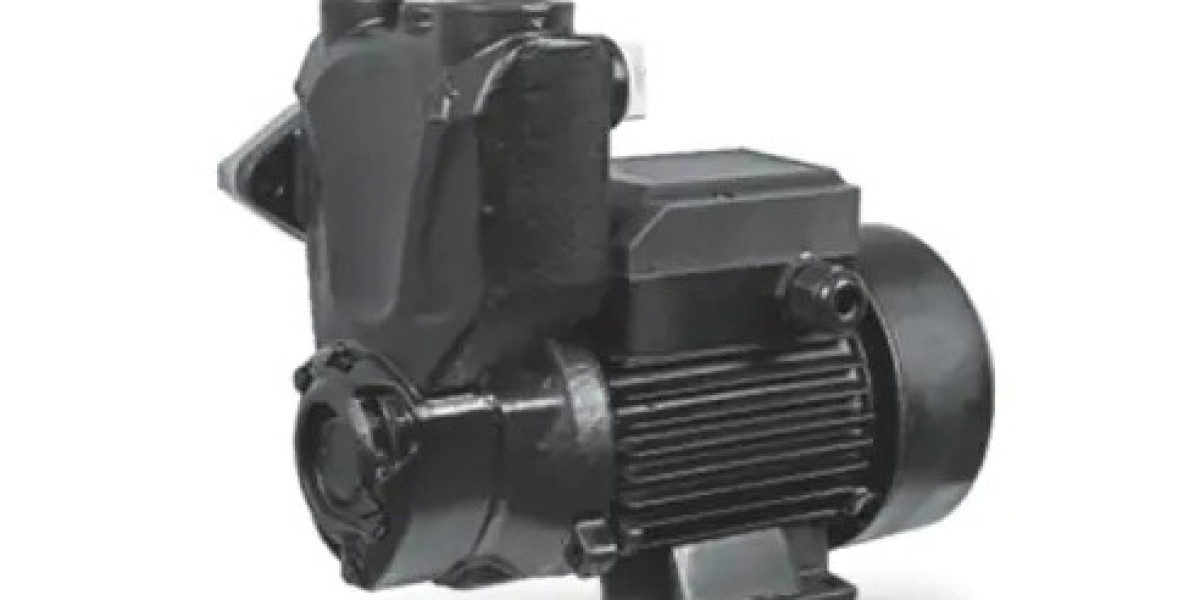

When selecting pumping equipment for continuous duty cycles, energy consumption often exceeds the initial purchase price within months. A Submersible Pump operates underwater, which inherently reduces cavitation risk and improves suction conditions. However, not all units deliver the same electrical efficiency. Understanding key performance parameters can save thousands of kilowatt-hours annually.
Key efficiency parameters to evaluate:
Motor efficiency rating (IE3 vs. IE4)
An IE4-rated motor inside a Submersible Pump can achieve up to 92% efficiency at full load, whereas older IE2 designs often drop below 85%. For a 30 kW pump running 4.000 hours per year, the difference of 7% equals roughly 8.400 kWh wasted annually.
Hydraulic efficiency of the impeller
Modern multi-stage radial impellers with CFD-optimized vanes reach 78–82% hydraulic efficiency. Poorly designed cast impellers may fall to 65%, meaning 35% of input energy becomes heat instead of flow.
Specific speed (Ns) matching
Operating a Submersible Pump far from its best efficiency point (BEP) increases power draw by 15–20%. Always check that your operating flow (e.g., 50 m³/h) aligns with the BEP within ±10%.
Power factor (PF)
For pumps above 15 kW, a PF below 0.85 indicates reactive power losses. Integrated permanent magnet motors can achieve PF >0.95. reducing apparent power demand.
Variable frequency drive (VFD) compatibility
Using a VFD with a Submersible Pump reduces energy by 30–50% when flow varies. However, ensure the motor has Class F or H insulation (155°C or 180°C) to handle harmonic heating.
Practical tip: Measure actual voltage at the control panel. A 10% undervoltage causes current to rise by approximately 11%, overheating the windings without increasing flow. Regular insulation resistance checks (should exceed 100 megohms for a new pump) also prevent efficiency-draining ground faults.
By prioritizing higher upfront efficiency, operators typically recover extra costs within 18 months through lower utility bills.