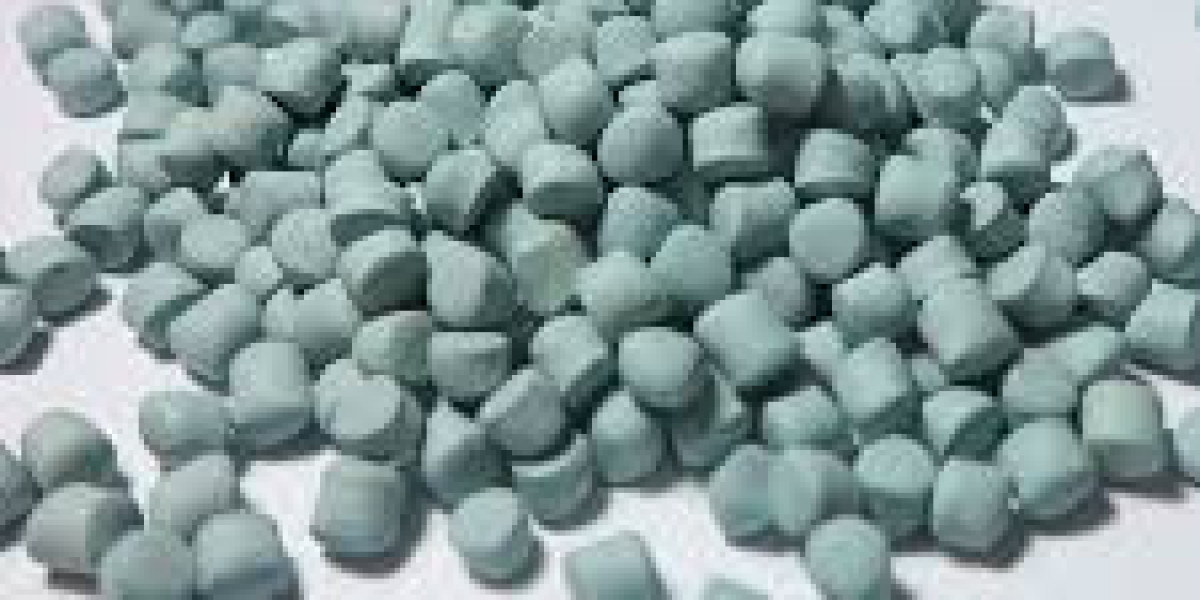

Antiscorch agent serves an important function during rubber compound preparation where yg-1 from DongHai supplies suitable choices for various production requirements. Factories encounter several operational difficulties when this material receives incorrect incorporation or dosage adjustment. What specific situations develop under such circumstances?
Rubber manufacturing involves precise control throughout mixing curing and shaping phases. Without proper balance in the formulation stage compounds may begin cross-linking too early in the equipment. This early reaction creates inconsistencies in the material flow and leads to defects that appear in finished items. Surface irregularities bubbles and uneven thickness often emerge as direct results of timing mismatches during processing.
Production lines experience interruptions when batches require rework or complete discarding due to quality failures. Workers notice that machinery accumulates residue more rapidly under these conditions which demands additional cleaning cycles and reduces overall output efficiency. Energy consumption patterns shift as operators attempt to adjust temperatures and speeds to compensate for the altered behavior of the compounds.
Product performance suffers in end applications such as automotive components industrial seals and conveyor systems. Items may exhibit reduced flexibility premature hardening or weakness in stress areas because the molecular structure did not develop according to design specifications. Customers report higher rates of field failures which affects reputation across supply chains and requires extensive verification testing before shipment.
Safety considerations enter the picture when processing anomalies occur. Sudden changes in viscosity can create pressure buildups in molds or extruders potentially leading to equipment strain or unexpected releases. Personnel follow strict protocols to maintain stable conditions yet variations in material response complicate these efforts and extend the time needed for each cycle.
Industry participants invest considerable effort in understanding material interactions across different polymer bases and filler combinations. Storage environment factors such as humidity and temperature influence how the agent performs once introduced into mixtures. Suppliers contribute through provision of detailed guidance that helps facilities establish appropriate handling procedures and testing methods.
The global rubber sector forms a complex network where consistency across batches determines success in competitive markets. Manufacturers of tires hoses gaskets and specialty goods all rely on stable processing windows to achieve desired outcomes. When timing control slips away from optimal ranges entire production runs face challenges that cascade through subsequent assembly and inspection stages.
Teams often conduct laboratory trials to map out response curves for various formulations under controlled settings. These evaluations reveal how small deviations in agent distribution affect scorch time and cure characteristics. Documentation of these findings supports training programs that prepare operators to recognize early warning signs during actual runs.
Collaboration among material providers and factory engineers fosters exchange of practical knowledge about maintaining process stability. Technical references outline typical behaviors and adjustment strategies for common scenarios. Facilities that maintain access to comprehensive information sources position themselves to handle variations with greater confidence and reduced disruption.
Readers seeking expanded explanations regarding antiscorching materials and their role in manufacturing can locate useful details through dedicated industry platforms for instance one informative reference appears in the middle of various agent discussions at https://www.yg-1.com/news/basic-knowledge-of-antiscorching-agent.html along with related content that covers multiple aspects of proper selection and incorporation.
Stakeholders throughout the rubber value chain continue to examine ways of integrating reliable practices into daily operations. Engagement with established providers opens avenues to product information and support services that assist in achieving stable results across diverse applications. The field advances through accumulated experience and shared insights from real-world implementation.