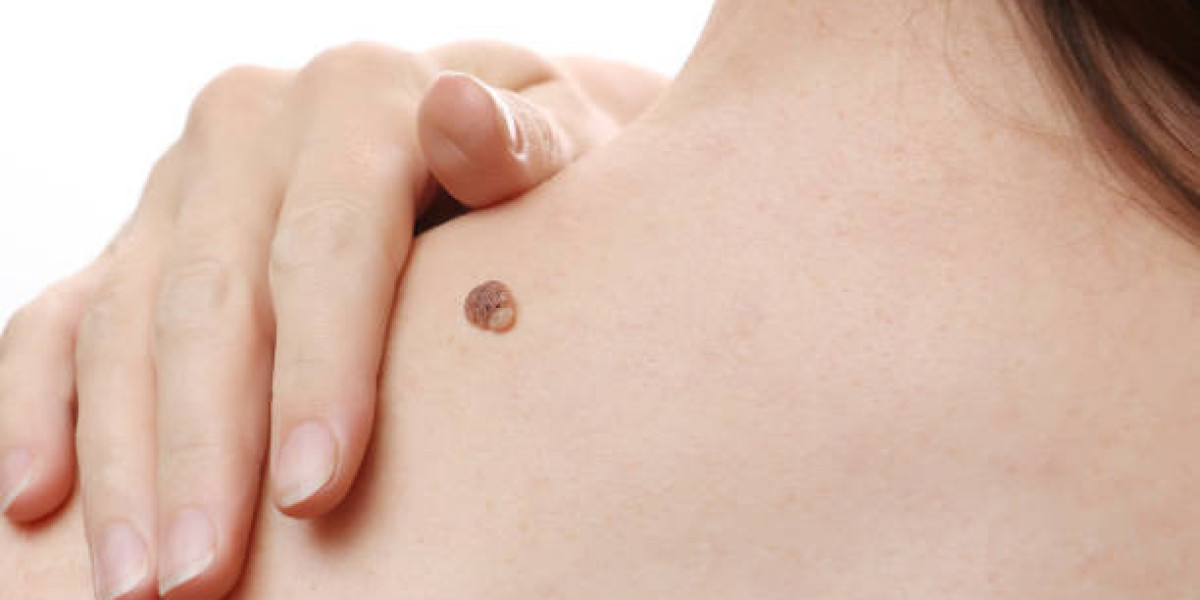

In a city known for its year-round sunshine, the concept of "seasonal timing" for dermatological procedures might seem less relevant. However, when it comes to mole removal in Dubai, the climate plays a significant role in your recovery. Your skin’s healing environment is directly influenced by heat, humidity, and, most importantly, UV exposure. Choosing the right time to undergo your procedure can make a measurable difference in your comfort and the final aesthetic outcome.
The Case for the Cooler Months
While we perform mole removal safely throughout the year, many of our patients prefer the cooler months—typically from November to March.
Minimized Sun Exposure: During the peak of summer, even a short walk to your car can expose healing skin to intense, direct UV radiation. In the cooler months, you are naturally more inclined to spend time indoors or in the shade, and you are less likely to be engaging in activities that involve prolonged sun exposure.
Reduced Perspiration: Humidity and high temperatures lead to increased sweating. As we have discussed, keeping a healing site dry and clean is essential. Cooler weather inherently makes it easier to maintain a sterile, dry environment around your wound without the constant irritation of sweat.
Summer Considerations: What to Keep in Mind
If you need a mole removed during the warmer months, you can certainly still proceed—you just need a slightly more rigorous plan.
Sun-First Strategy: You must be 100% committed to sun protection. This means using high-SPF mineral sunscreen, wearing hats, and seeking shade, especially during the peak sun hours (10:00 AM to 4:00 PM).
Lifestyle Adjustments: Plan your removal for a time when you can minimize outdoor activities for the first 5–7 days. If you are heading on a beach holiday, consider scheduling your removal after you return to ensure your healing skin isn't subjected to sand, salt water, and intense sun.
Balancing Work and Social Calendars
Beyond the climate, consider your own calendar when planning your procedure.
Social Events: While there is no "downtime," some patients prefer to have their removals done a few weeks before major social events or trips. This ensures that any initial redness has had plenty of time to fade, allowing you to feel fully confident for your upcoming engagements.
Work/Life Integration: Since you can return to work immediately, the "seasonal" timing is less about recovery time and more about your personal comfort. Choose a time when your schedule is slightly more flexible, allowing you the peace of mind to focus on your aftercare without the added stress of a packed professional or social diary.
Why Choose Us
At Tajmeels Clinic, we believe that timing is part of a patient-centered approach. During your consultation, we don't just look at the mole—we look at your lifestyle, your upcoming plans, and the local climate to help you choose the ideal time for your procedure. Whether you are aiming for a winter recovery or need a summer removal handled with extra care, our team provides the expert guidance to ensure your experience is perfectly aligned with your life in Dubai.
FAQ Section
Is it "dangerous" to have mole removal in the summer?
Not at all. It is perfectly safe as long as you are diligent with your aftercare and sun protection. We provide all the guidance you need to heal perfectly, regardless of the temperature outside.
Should I avoid the beach after my procedure?
Yes. We highly recommend staying out of the ocean, swimming pools, and intense sun for at least two weeks post-procedure. Salt, chlorine, and direct UV rays are not conducive to optimal healing.
How do I know when it's the "right" time?
The right time is when you are ready and have a few weeks of relative consistency in your routine to focus on your aftercare. If you have an important event in two weeks, we can certainly accommodate you, but many patients prefer to wait until after the event to allow for complete, stress-free healing.
Does the heat make scarring worse?
Heat itself doesn't cause scarring, but the consequences of heat—such as sweating, friction, and increased sun exposure—can potentially affect the aesthetic quality of the scar. By managing these factors, you ensure a smooth, beautiful result.
What if I have a planned trip abroad?
If you are planning to travel shortly after your procedure, let us know! We can provide a specific "travel kit" of aftercare products and advice to ensure you can continue your healing process safely while you are away.