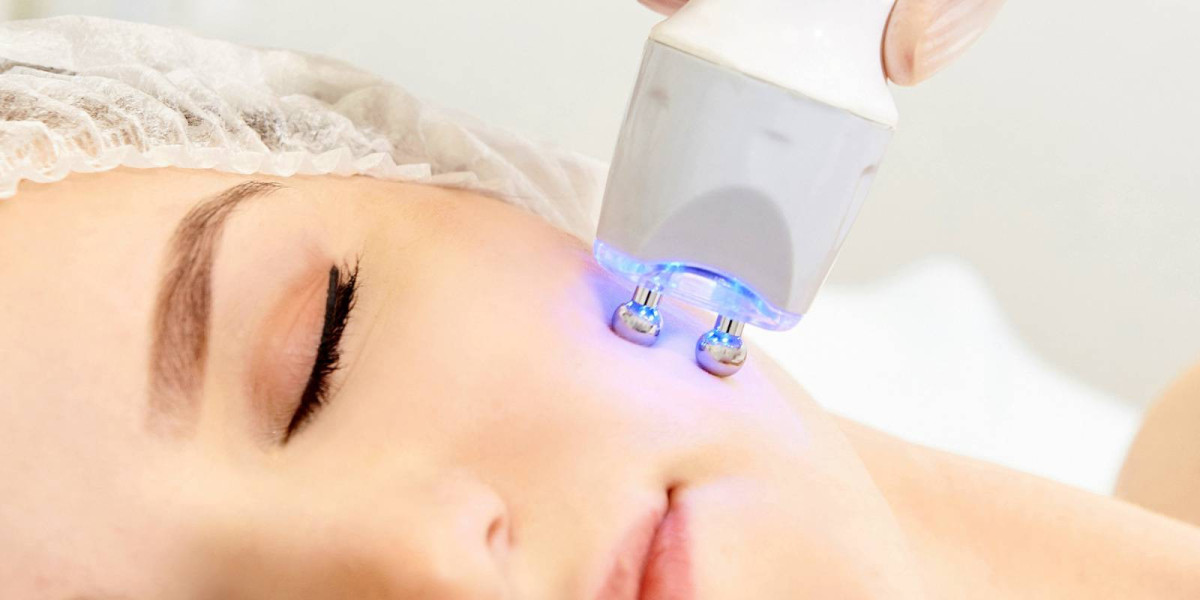

Modern skin care technology has changed the way people approach skin rejuvenation, texture improvement, and overall skin appearance. In 2025, advanced laser systems are becoming more refined, targeted, and effective for different skin concerns. From uneven tone to acne marks and visible aging signs, laser-based procedures are designed to support smoother and healthier-looking skin through scientifically guided methods. Laser treatment in Dubai continues to attract attention because many individuals are now more interested in non-surgical skin enhancement methods that focus on precision and visible improvement.
The growing popularity of laser skin procedures is linked to how these technologies interact with the skin’s natural healing process. Instead of relying on temporary surface-level solutions, modern laser systems work beneath the outer layer of the skin to encourage renewal and collagen activity. This scientific approach makes laser procedures one of the most discussed innovations in modern dermatology in 2025.
Understanding Laser Technology in Skin Care
Laser technology uses focused beams of light that target specific layers of the skin. Different wavelengths are designed to address different concerns, including pigmentation, rough texture, enlarged pores, dullness, and uneven appearance.
The word “laser” stands for Light Amplification by Stimulated Emission of Radiation. In dermatology, this controlled light energy is carefully directed toward the skin to stimulate natural skin responses. The treatment process is designed to improve skin quality while maintaining precision and accuracy.
Modern dermatology uses various forms of laser energy depending on the skin concern and treatment goal. Some laser systems focus on the skin surface, while others work deeper beneath the skin layers.
How Lasers Interact With the Skin
The science behind laser procedures is based on selective targeting. The light energy from the laser is absorbed by certain components within the skin, such as pigment, water, or damaged tissue.
Once absorbed, the energy converts into heat. This controlled thermal activity encourages skin renewal and collagen stimulation. Collagen is an important protein that helps maintain skin firmness, elasticity, and smoothness.
As the skin responds to the laser energy, the natural repair process begins. Older skin cells gradually make way for fresher and healthier-looking skin. This is one of the reasons why laser procedures are commonly associated with rejuvenated appearance and refined texture.
The Role of Collagen in Laser Treatments
Collagen plays a major role in modern laser dermatology. Over time, collagen production naturally slows down, which can contribute to fine lines, loose texture, and uneven skin quality.
Laser procedures help encourage collagen remodeling beneath the skin surface. This process supports firmer and more refreshed-looking skin over time.
The stimulation of collagen does not happen instantly. The skin gradually renews itself as collagen fibers rebuild naturally. Because of this, many people notice progressive improvements in skin smoothness and texture after undergoing laser procedures.
Types of Laser Skin Treatments
Modern dermatology in 2025 includes several forms of laser technology designed for different skin goals.
Ablative Laser Treatments
Ablative laser systems work by targeting the outer layer of the skin. These treatments are commonly associated with skin resurfacing and texture refinement.
The laser carefully removes damaged skin layers to encourage regeneration. As fresh skin forms, the overall appearance may look smoother and more balanced.
Non-Ablative Laser Treatments
Non-ablative systems work beneath the skin surface without removing the outer layer. These treatments focus more on collagen stimulation and gradual skin renewal.
Many individuals prefer these procedures because they are designed to support skin rejuvenation while maintaining a gentle approach to the skin surface.
Fractional Laser Technology
Fractional laser systems target microscopic sections of the skin rather than treating the entire surface at once. This advanced method encourages faster skin renewal while supporting collagen production.
Fractional technology is widely discussed in modern dermatology because of its precision and controlled treatment approach.
Skin Concerns Commonly Addressed by Laser Procedures
Laser systems are designed to support a wide range of cosmetic skin concerns. The versatility of modern laser technology is one reason why these procedures continue to evolve in 2025.
Uneven Skin Texture
Laser procedures can help improve rough or irregular skin texture by encouraging smoother skin renewal.
Acne Marks and Surface Irregularities
Modern laser methods are often used to support skin resurfacing for visible post-acne texture changes.
Dull-Looking Skin
Laser energy can help refresh the skin’s appearance by promoting healthy cell turnover.
Fine Lines and Early Aging Signs
Collagen-focused laser procedures are commonly associated with firmer and smoother-looking skin.
Uneven Tone and Pigmentation
Certain laser wavelengths are designed to target areas of excess pigmentation for a more balanced appearance.
Why Modern Dermatology Uses Laser Precision
One of the most important scientific advantages of laser technology is precision. Modern systems are designed to focus on targeted skin concerns while surrounding areas remain unaffected.
This level of accuracy allows dermatology treatments to become more customized according to different skin types and goals. In 2025, advancements in laser engineering continue to improve treatment personalization and skin analysis.
Artificial intelligence-assisted skin mapping and smart laser calibration are also becoming part of advanced dermatology technologies. These innovations help improve treatment accuracy and consistency.
The Importance of Skin Renewal Cycles
Human skin naturally renews itself over time, but this process slows with age and environmental exposure. Laser procedures are designed to support this renewal cycle by stimulating controlled regeneration.
When the skin enters repair mode after laser exposure, fresh skin cells gradually replace older ones. This process contributes to improved clarity and smoother appearance.
The science behind this renewal process is one reason why laser dermatology remains a major focus in cosmetic skin advancements.
The Growing Popularity of Laser Treatments in 2025
In 2025, more people are becoming interested in science-based cosmetic procedures that support natural-looking enhancement. Laser technology continues to evolve with better customization, advanced precision, and modern skin analysis systems.
Social awareness around skin health and rejuvenation has also contributed to increased interest in laser procedures. Laser treatment in Dubai is frequently searched online because individuals often explore advanced skin rejuvenation methods that align with modern dermatology trends and evolving aesthetic goals.
The focus today is not simply on appearance but also on skin quality, texture balance, and long-term rejuvenation support through technology-driven procedures.
How Modern Laser Systems Continue to Advance
Dermatology technology is constantly improving through research and innovation. New laser systems are designed to deliver more targeted energy with improved adaptability for different skin conditions.
In 2025, many advanced devices include cooling mechanisms, smart sensors, and detailed skin scanning features that help create more personalized treatment experiences. The combination of science, engineering, and skin biology continues to shape the future of laser dermatology.
Researchers also continue exploring how different wavelengths interact with skin layers to improve treatment precision and efficiency. This ongoing innovation is helping laser procedures remain an important part of modern cosmetic dermatology.
FAQs
What makes laser skin treatments different from traditional skin procedures?
Advanced Light-Based Technology
Laser procedures use focused light energy to target specific skin concerns with precision, making them different from general surface treatments.
How do laser treatments support skin rejuvenation?
Collagen Activation Process
Laser energy encourages collagen activity beneath the skin surface, which supports smoother and firmer-looking skin over time.
Are all laser treatments the same?
Different Technologies for Different Goals
Modern dermatology uses various laser systems, including ablative, non-ablative, and fractional technologies, depending on the skin concern.
Why is collagen important in laser dermatology?
Structural Support for the Skin
Collagen helps maintain skin firmness, elasticity, and texture. Laser procedures are often designed to encourage natural collagen renewal.
Why are laser procedures popular in 2025?
Focus on Precision and Skin Quality
People are increasingly interested in advanced skin technologies that support natural-looking rejuvenation and refined skin appearance.
Conclusion
The science behind laser skin treatments continues to transform modern dermatology in 2025 through innovation, precision, and advanced skin technology. By using controlled light energy to stimulate natural skin renewal and collagen activity, laser procedures support smoother texture, balanced tone, and refreshed-looking skin. As research and technology continue evolving, laser dermatology remains one of the most advanced approaches for individuals seeking scientifically guided skin rejuvenation methods. The combination of precision engineering, smart skin analysis, and regenerative skin science ensures that laser treatments continue shaping the future of aesthetic skin care with impressive progress and growing global interest.