
Facial and body volume loss is a natural part of aging, often leading to hollow cheeks, less defined contours, and a tired appearance that does not reflect how a person feels internally. Modern aesthetic advancements now focus on restoring balance using natural solutions rather than artificial enhancements. Among these, Fat Transfer Surgery in Dubai has gained significant attention for its ability to use the body’s own fat to restore youthful fullness, offering results that feel both authentic and long-lasting. This beginner’s guide explains how the procedure works, what to expect, and why it has become a preferred option for volume restoration.
Understanding Volume Loss and the Need for Restoration
Volume depletion occurs gradually due to aging, weight changes, and reduced collagen production. Areas such as the face, hands, breasts, and buttocks may lose their youthful plumpness over time. This change can create shadows, sagging, and uneven contours that contribute to an aged appearance.
Volume restoration techniques aim to reverse these visible changes by replenishing lost fullness and improving structural support beneath the skin. Unlike synthetic fillers that provide temporary enhancement, fat-based restoration uses the body’s own tissue, which integrates naturally and adapts over time. This makes it an appealing option for individuals seeking subtle yet meaningful rejuvenation.
What is Fat Transfer Surgery for Volume Restoration
Fat transfer, also known as fat grafting, is a technique that involves moving fat from one part of the body to another. The process begins by carefully selecting donor areas where excess fat is available, such as the abdomen, thighs, or flanks. The harvested fat is then processed and purified before being reintroduced into areas that require volume enhancement.
This approach is widely appreciated because it uses natural tissue, reducing the likelihood of rejection and offering a softer, more organic finish. In aesthetic medicine, Fat Transfer Surgery is valued for its dual benefit of body contouring and targeted volume restoration, making it both functional and cosmetic in its results.
How the Procedure Works Step by Step
The process begins with fat harvesting through a gentle extraction technique designed to preserve fat cell integrity. Once collected, the fat undergoes purification to remove excess fluids and non-viable cells. This step is essential to ensure only healthy fat cells are used for transfer.
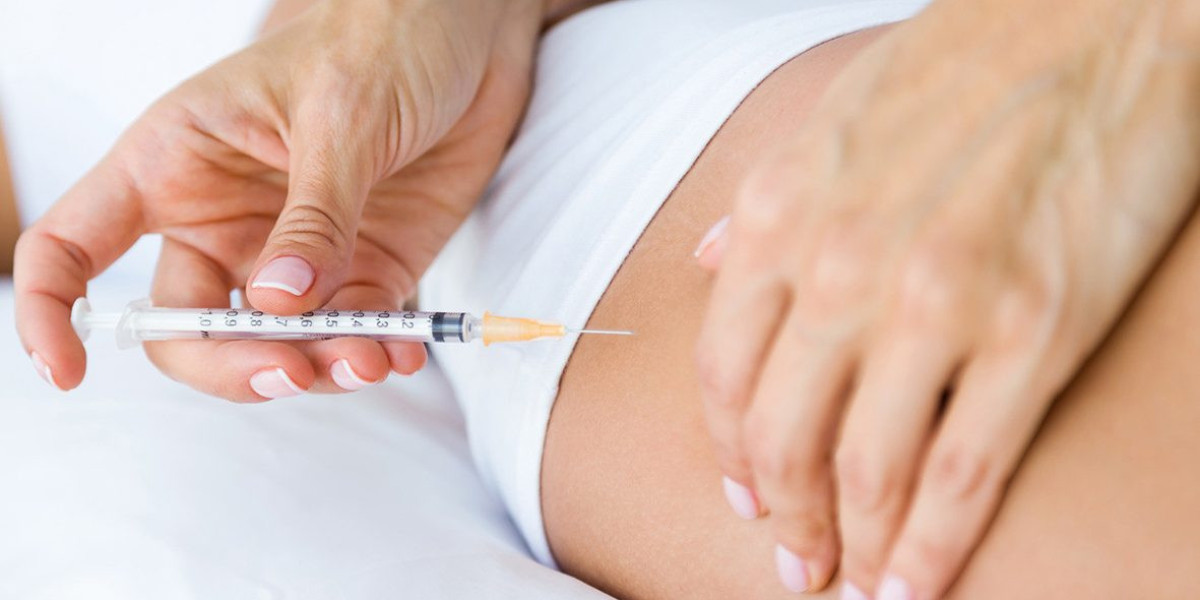
After purification, the fat is strategically injected into the target areas using fine instruments. The placement is done in layers to ensure even distribution and natural blending with surrounding tissues. Over time, the transferred fat establishes a blood supply in its new location, allowing it to survive and maintain volume.
The body may naturally absorb a portion of the transferred fat, but the remaining cells typically integrate permanently, contributing to long-term enhancement.
Areas Commonly Treated with Fat Transfer
Fat transfer can be applied to multiple areas depending on aesthetic goals. In facial rejuvenation, it is commonly used to restore fullness in the cheeks, under-eye hollows, temples, and jawline. These enhancements help soften facial contours and reduce signs of fatigue.
For body contouring, fat transfer is often used to enhance curves, improve symmetry, and restore lost volume in areas such as the breasts and buttocks. It can also be used for hand rejuvenation, where aging signs often appear early due to thinning skin and reduced fat padding.
Each treatment area requires a customized approach to ensure proportional and balanced results that complement the individual’s natural anatomy.
Key Benefits of Fat Transfer for Volume Restoration
One of the primary benefits of fat transfer is its natural compatibility with the body. Since the material used is the patient’s own fat, the results tend to look and feel more authentic compared to synthetic alternatives.
Another advantage is its dual effect: it reduces unwanted fat in one area while enhancing another. This makes it a highly efficient body contouring solution. Additionally, fat transfer offers long-lasting results, as the surviving fat cells become a permanent part of the treated area.
Patients also appreciate the subtlety of the outcome. Instead of dramatic changes, fat transfer enhances natural beauty, restoring youthful contours without an overdone appearance.
Who is a Suitable Candidate
Ideal candidates for fat transfer are individuals who have noticeable volume loss and sufficient fat reserves in other parts of the body. Good skin elasticity also plays an important role in achieving smooth and even results.
Those seeking natural-looking enhancement without synthetic materials often consider this option. However, realistic expectations are essential, as the outcome depends on how well the body retains the transferred fat over time.
A stable weight is also important, as significant fluctuations can affect long-term results.
Recovery and Healing Process
Recovery after fat transfer is typically gradual and varies depending on the treated areas. Mild swelling, bruising, and tenderness are common during the initial phase. These effects usually improve within a few days to weeks as the body adjusts.
Patients are generally advised to avoid pressure on treated areas to allow proper fat integration. Light activities can usually be resumed early, but strenuous movements should be limited during the initial healing period.
As healing progresses, the final results begin to settle, revealing smoother contours and improved volume distribution.
Results and Longevity of Fat Transfer
One of the most appealing aspects of fat transfer is the longevity of its results. While some of the transferred fat may be reabsorbed by the body, the remaining cells that successfully integrate tend to remain long-term.
The outcome continues to improve over time as swelling reduces and the fat stabilizes. The final effect is a natural enhancement that evolves subtly, maintaining facial harmony and body balance.
Lifestyle factors such as weight stability, hydration, and overall health can influence how long the results last, making maintenance an important consideration.
Safety and Considerations
Fat transfer is widely regarded as a safe technique when performed with proper care and precision. Since it uses autologous fat, the risk of allergic reaction or rejection is minimal.
However, like any procedure involving tissue manipulation, there are potential considerations such as uneven absorption or minor asymmetry. These are typically addressed during the planning phase by customizing the distribution of fat according to individual anatomy.
Careful evaluation and technique play a key role in achieving smooth, balanced, and predictable outcomes.
Book Us
For individuals seeking natural and refined volume restoration, Fat Transfer Surgery offers a sophisticated approach to rejuvenation by enhancing facial and body contours using the body’s own resources. At Enfield Royal Clinic Dubai, this approach is designed to support subtle enhancement and personalized aesthetic balance, helping individuals achieve refreshed and youthful results with a focus on natural harmony and long-term satisfaction.