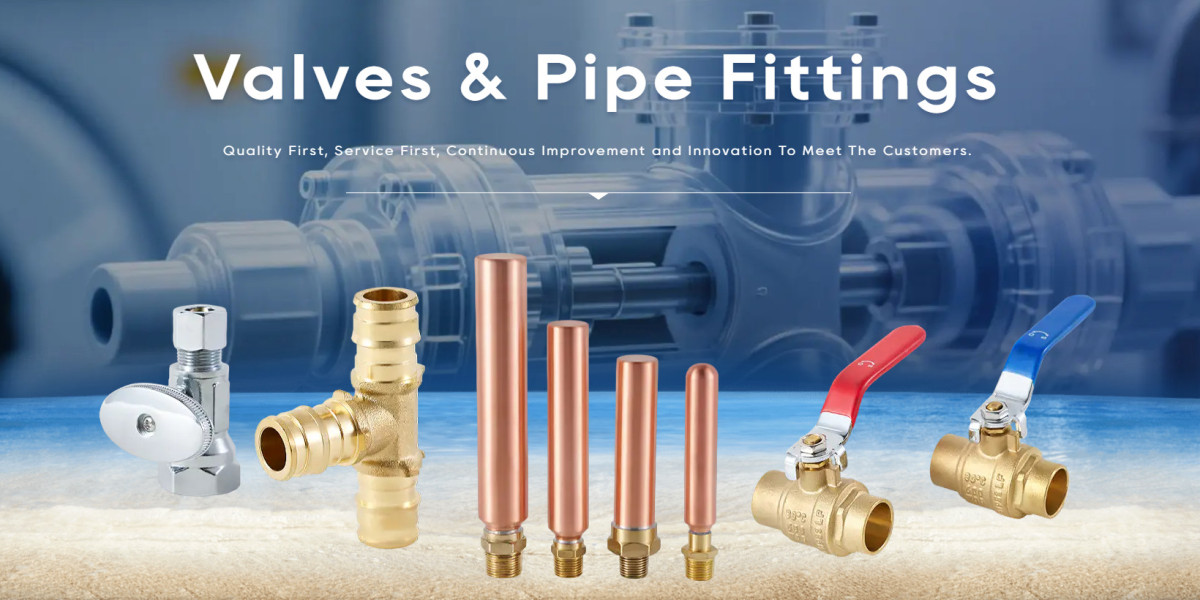

Rapid valve closure inside residential or commercial plumbing systems often creates sudden pressure spikes that travel through pipelines. These pressure waves are commonly known as water hammer. Repeated shock loads may loosen fittings, increase vibration, and shorten the service life of valves and joints. A properly designed Copper Water Hammer Arrestor can reduce these pressure fluctuations by absorbing the energy generated during sudden flow stoppage. In larger or corrosive environments, a Stainless Steel Water Hammer Arrestor is also frequently installed to improve durability and pressure resistance.
Modern plumbing systems use automatic valves, washing machines, dishwashers, ice makers, and solenoid-controlled equipment that shut water flow quickly. These operating conditions increase the possibility of hydraulic shock. Water hammer arrestors are designed with sealed air chambers and pistons that compress under pressure surges, helping stabilize the piping system.
Copper body arrestors are widely used in residential plumbing due to their thermal conductivity and compatibility with copper pipe systems. Typical body materials include seamless Type L or Type K copper tubing with brass threaded connections. Stainless steel versions are often selected for industrial installations, hot water circulation systems, and environments with higher corrosion exposure.
Typical technical specifications include:
Working pressure: 150 PSI to 250 PSI
Burst pressure: up to 400 PSI
Temperature range: 0°C to 100°C
Connection sizes: 1/2", 3/4", 1", and larger
Connection types: MNPT, FNPT, sweat, push-fit
Internal piston material: polypropylene, PVC, or stainless steel
Seal material: EPDM O-ring
Installation orientation: vertical, horizontal, or angled
Many modern arrestors are maintenance-free because the air chamber is permanently sealed at the factory. This prevents waterlogging problems associated with traditional capped air chambers. Industry certifications such as ASSE 1010 and PDI WH-201 are commonly used to evaluate performance standards.
Installation position plays a major role in performance. Arrestors are generally installed close to fast-acting valves or appliances where pressure spikes originate. Washing machines and commercial dishwashers are common installation points because their solenoid valves close very rapidly. Plumbing professionals also recommend placing arrestors near ice machines, coffee equipment, and booster pumps in commercial buildings.
Copper models are often preferred in compact residential systems because they integrate easily with existing copper pipelines. Stainless steel models may offer improved resistance in systems carrying treated water, higher temperatures, or variable pressure conditions.
Common installation environments include:
Apartment buildings
Hotels
Hospitals
Industrial workshops
Commercial kitchens
Laundry facilities
HVAC piping systems
A water hammer event may not only create noise. Over time, pressure surges can stress solder joints, threaded fittings, and valve assemblies. Repeated vibration may also cause pipe movement inside walls or ceilings. Reducing hydraulic shock can help stabilize long-term system operation. Studies and plumbing field discussions continue to highlight the importance of placing arrestors close to the source of rapid valve closure.
Selecting the correct arrestor size depends on fixture unit demand, pipe diameter, flow velocity, and operating pressure. Small residential fixtures may only require compact A or B size arrestors, while commercial systems may need larger capacities for multiple fixture branches.
With the increasing use of automated plumbing equipment, water hammer protection has become a common component in modern piping design. Proper sizing, correct installation location, and suitable material selection all contribute to stable plumbing performance over long operating cycles.