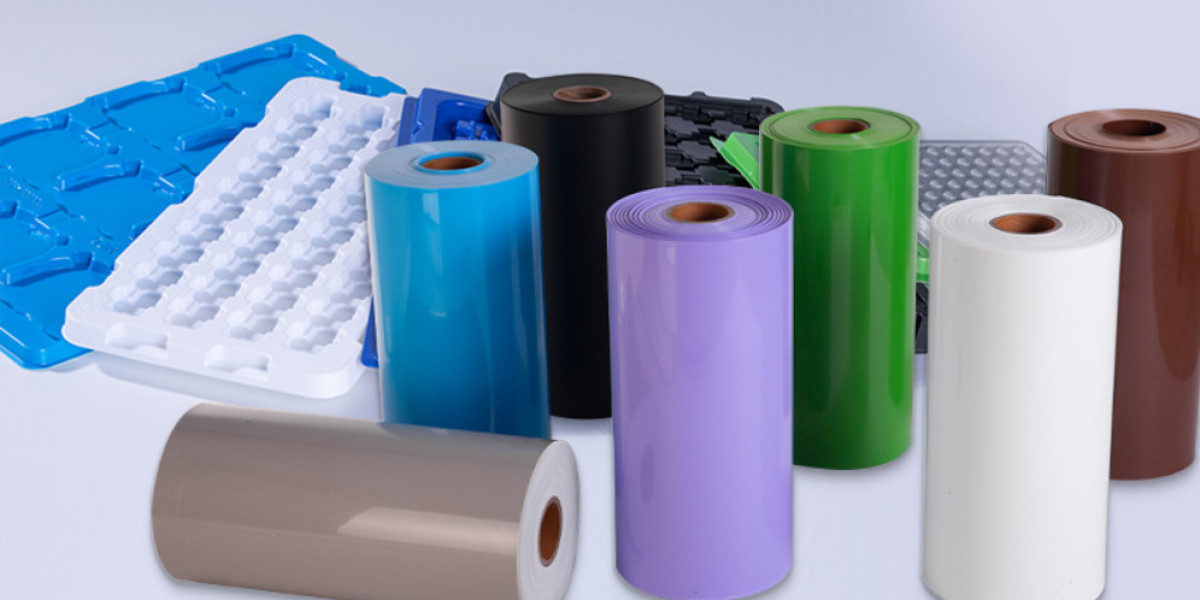

HIPS Sheet (High Impact Polystyrene) and HDPE Sheet (High-Density Polyethylene) are widely used thermoplastic materials in manufacturing, signage, and packaging applications. Both materials provide unique benefits that cater to specific industrial requirements. Understanding their properties can help engineers and designers select the right material for each project.
HIPS Sheet is known for its toughness and impact resistance. It typically comes in thicknesses ranging from 0.5 mm to 25 mm and densities around 1.04 g/cm³. Its smooth surface makes it ideal for printing, vacuum forming, and thermoforming processes. HIPS is often chosen for applications that require moderate chemical resistance and easy machinability.
On the other hand, HDPE Sheet offers excellent chemical and moisture resistance, making it suitable for outdoor applications or environments exposed to water or corrosive substances. HDPE sheets usually have densities between 0.93 and 0.97 g/cm³ and thicknesses ranging from 2 mm to 50 mm. This material also has good impact resistance, although it behaves differently from HIPS under stress due to its semi-crystalline structure.
In industrial contexts, HIPS Sheet is frequently used for display panels, packaging components, and prototypes due to its ease of shaping and cost-effectiveness. HDPE Sheet is often applied in chemical tanks, cutting boards, protective linings, and structural components where moisture or chemical exposure is a concern. Both materials can be fabricated using standard machining processes such as CNC cutting, milling, and drilling, although HDPE may require slower feed rates to avoid heat buildup.
Environmental considerations also differ between the two. HDPE Sheet is recyclable and has a lower environmental impact in terms of chemical leaching. HIPS Sheet can be recycled as well but is more sensitive to UV exposure and may require protective coatings for long-term outdoor use.
By evaluating factors like mechanical properties, chemical resistance, thermal stability, and ease of fabrication, manufacturers can choose between HIPS Sheet and HDPE Sheet to optimize performance while meeting design constraints. This comparison demonstrates that each material serves distinct functions despite their shared application in the plastics industry.