Marriage is not only an emotional and social commitment but also a lifelong health partnership between two individuals. As couples prepare for this new chapter, understanding each other’s health status becomes an essential step toward a safe and stable future. A marriage blood test plays a crucial role in this preparation by identifying hidden medical risks before they can affect married life or future children.
Marriage Blood Test in Dubai is widely recognized as a preventive healthcare approach that focuses on early detection of genetic disorders, infectious diseases, blood compatibility issues, and overall health conditions. Knowing the key health screenings included in a marriage blood test helps couples make informed decisions and approach marriage with confidence and responsibility.
Why Key Health Screenings Matter Before Marriage?
Health screening before marriage is becoming increasingly important due to rising awareness of genetic conditions and silent infections. Many medical issues do not show symptoms until they become serious, which makes early testing essential.
Hidden Conditions Often Go Undetected:
A person may appear completely healthy while still carrying:
- Genetic mutations
- Viral infections
- Blood disorders
- Reproductive health risks
Without proper screening, these conditions may only be discovered during pregnancy or later in life.
Prevention Is Better Than Treatment:
Modern healthcare focuses on prevention rather than cure. A marriage blood test helps detect risks early so couples can take preventive action before complications arise.
Core Health Screenings Included in a Marriage Blood Test:
A marriage blood test is not a single test but a combination of multiple screenings that evaluate different aspects of health. Each test serves a specific purpose in ensuring a safe and healthy marriage.
Blood Group and Rh Factor Screening:
One of the most essential components of premarital testing is blood typing.
What Blood Group Testing Identifies?
This screening determines:
- ABO blood group (A, B, AB, O)
- Rh factor (positive or negative)
Why Rh Factor Is Important:
Rh incompatibility may occur when:
- The mother is Rh-negative
- The father is Rh-positive
- The baby inherits Rh-positive blood
Possible Pregnancy Risks:
If unmanaged, Rh incompatibility can lead to:
- Newborn anemia
- Pregnancy complications
- Immune reactions during pregnancy
Early detection allows doctors to provide safe preventive treatment.
Complete Blood Count (CBC) for General Health:
The Complete Blood Count is one of the most common health screenings included in premarital testing.
What CBC Measures?
It evaluates:
- Red blood cells
- White blood cells
- Hemoglobin levels
- Platelet count
Health Conditions Detected:
CBC helps identify:
- Anemia
- Infections
- Immune system disorders
- Nutritional deficiencies
Why It Matters for Couples?
A healthy blood profile supports fertility, pregnancy, and long-term wellness.
Genetic Screening for Inherited Disorders:
Genetic testing is one of the most important parts of a marriage blood test.
Understanding Carrier Status:
A genetic carrier is someone who carries a gene mutation but does not show symptoms of the disease.
If both partners carry the same mutation, there is a risk of passing it to children.
Common Genetic Disorders Screened:
Marriage blood tests often include screening for:
- Thalassemia
- Sickle cell anemia
- Hemophilia
- Cystic fibrosis
- Tay-Sachs disease
Importance for Family Planning:
Genetic screening helps couples:
- Understand hereditary risks
- Seek genetic counseling
- Explore safe reproductive options
- Plan healthier pregnancies
Infectious Disease Screening:
Infectious disease testing is a critical part of premarital health evaluation.
Common Infections Tested:
Marriage blood tests typically screen for:
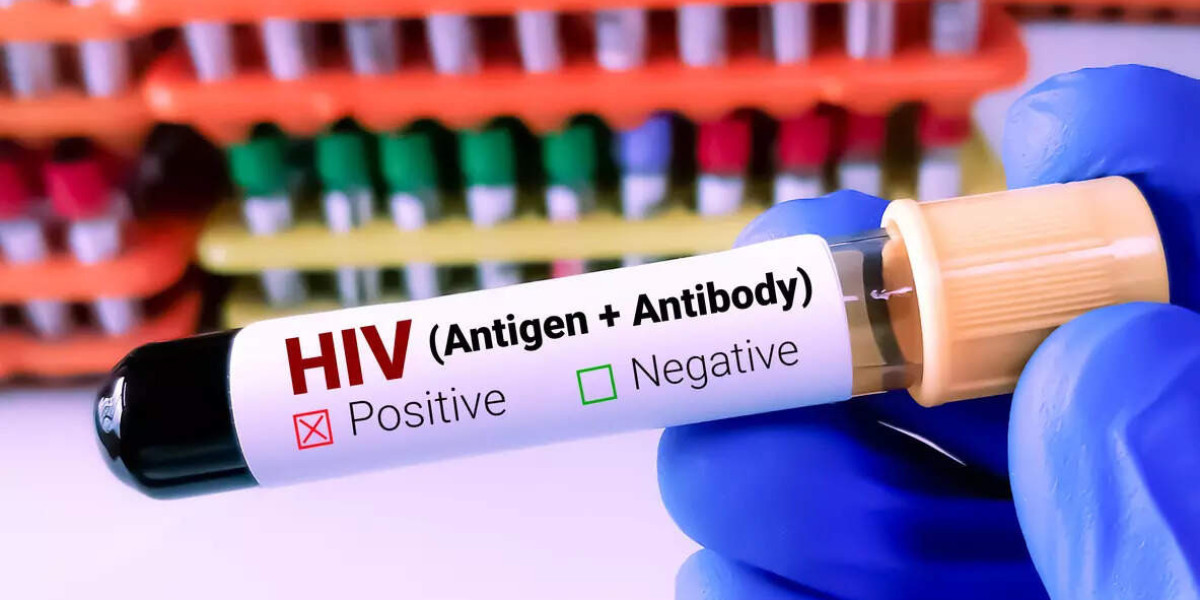
- HIV
- Hepatitis B
- Hepatitis C
- Syphilis
Why Early Detection Is Important:
Many infections remain silent for years and may:
- Affect fertility
- Complicate pregnancy
- Spread between partners
- Damage long-term health
Early diagnosis ensures timely treatment and protection.
Liver and Kidney Function Tests:
Some marriage blood tests include organ function screening for overall health assessment.
Liver Function Test (LFT):
LFT evaluates enzyme levels and overall liver health.
Kidney Function Test (KFT):
KFT measures how effectively kidneys filter waste from the blood.
Why These Tests Are Important?
Healthy organ function is essential for:
- Hormonal balance
- Fertility health
- Pregnancy safety
- Long-term metabolic health
Hormonal and Fertility-Related Screening:
In some cases, couples undergo reproductive health evaluation as part of premarital testing.
What Hormonal Tests Evaluate:
These tests may include:
- Reproductive hormone levels
- Ovulation function
- Sperm health indicators
- Fertility markers
Why Fertility Screening Matters:
Early awareness helps couples:
- Plan pregnancies better
- Identify reproductive challenges early
- Seek timely medical support
Sexually Transmitted Infection (STI) Screening:
STI testing is often included in comprehensive marriage blood screening.
Common STIs Tested:
- Chlamydia
- Gonorrhea
- Syphilis
- HIV-related infections
Why STI Screening Is Important:
Many STIs do not show symptoms but can affect:
- Fertility
- Pregnancy outcomes
- Partner health
Early detection ensures proper treatment and prevention.
Nutritional and Vitamin Deficiency Tests:
Some premarital screening packages also evaluate nutritional health.
What These Tests Check?
- Iron levels
- Vitamin D levels
- Vitamin B12 levels
Why Nutrition Matters Before Marriage?
Good nutritional health supports:
- Fertility
- Pregnancy development
- Immune strength
- Energy balance
What Happens After Health Screenings?
Understanding results is a key part of the process.
Normal Results:
Indicate:
- No major infections
- No significant genetic risks
- Healthy blood profile
- Stable organ function
Abnormal Results:
May indicate:
- Carrier status of genetic diseases
- Treatable infections
- Mild deficiencies
- Blood compatibility concerns
Next Steps After Results:
Doctors may recommend:
- Treatment plans
- Genetic counseling
- Lifestyle changes
- Further testing
Why These Key Screenings Are Essential for Marriage?
These health screenings are not about restricting marriage but about ensuring preparedness for the future.
They help couples:
- Identify hidden health risks
- Plan safer pregnancies
- Prevent inherited disorders
- Improve long-term wellness
- Build informed family planning strategies
Common Misunderstandings About Marriage Blood Tests:
Several myths often discourage couples from undergoing screening.
Myth 1: Only Sick People Need Testing
Many conditions are silent and only detectable through blood tests.
Myth 2: Blood Tests Affect Relationship Decisions
These tests are purely medical and do not evaluate emotional compatibility.
Myth 3: Testing Guarantees Perfect Health
No test can predict every future condition, but it significantly reduces preventable risks.
How Couples Can Prepare for Screening?
Preparation is simple but important for accurate results.
Share Medical History:
Include:
- Family genetic disorders
- Past infections
- Chronic illnesses
- Fertility concerns
Follow Medical Instructions:
Some tests may require fasting or specific preparation.
Ask Questions Openly:
Couples should discuss concerns about genetics, fertility, and long-term health with healthcare providers.
Final Thoughts:
A marriage Lab tests is a comprehensive set of key health screenings designed to ensure a safer and healthier future for couples. It includes genetic testing, blood group analysis, infectious disease screening, organ function evaluation, and reproductive health assessment.
Understanding these screenings helps couples make informed decisions, reduce health risks, and plan for a healthy family life. More importantly, it supports preventive healthcare, emotional transparency, and responsible family planning.
Marriage is a lifelong journey, and beginning it with proper health awareness ensures a stronger foundation built on care, trust, and long-term well-being.