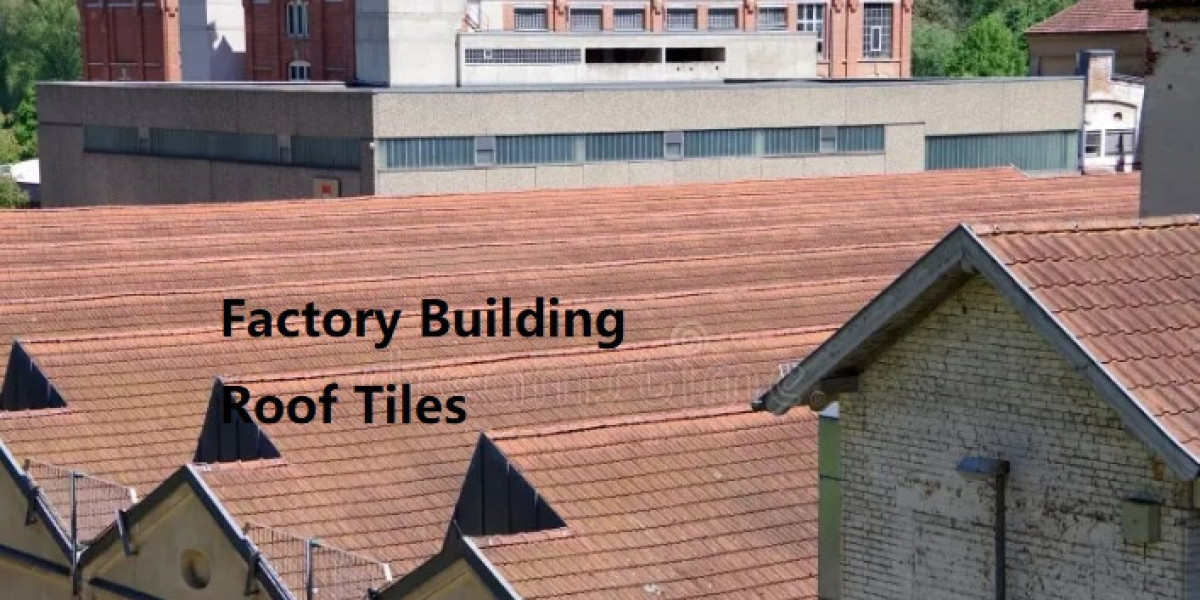

The global construction sector continues to expand rapidly as developers and architects focus on durability, sustainability, and long-term structural performance in building materials. Within this evolving industry, Chinese Roof Tiles placed in modern architecture projects have become a preferred solution for combining traditional aesthetics with advanced engineering performance. With strong manufacturing expertise and consistent quality control systems, chuanyabuilding provides roofing solutions designed to meet the demands of both residential and commercial construction worldwide.
The Role of Roofing in Building Durability
Roofing systems are one of the most important structural elements in any building design. They protect interior spaces from harsh environmental conditions such as rain, wind, heat, and snow while contributing to energy efficiency and structural stability. A well-designed roof ensures long-term protection and significantly extends the lifespan of the entire building.
In modern construction, roofing materials must balance strength, insulation, and aesthetic appeal. Poor-quality roofing can lead to water leakage, heat loss, and structural damage over time, increasing maintenance costs and reducing building safety. As a result, architects and engineers prioritize materials that offer consistent performance under diverse environmental conditions.
Roof tiles remain one of the most widely used roofing materials due to their durability and natural resistance to weathering. Their ability to withstand temperature fluctuations and heavy rainfall makes them suitable for a wide range of architectural styles and climates.
Material Engineering and Manufacturing Precision
The quality of roofing materials depends heavily on raw material selection and manufacturing precision. Clay-based and ceramic-based materials are commonly used due to their natural strength, heat resistance, and long service life. These materials provide excellent protection against environmental stress while maintaining structural integrity over time.
Modern manufacturing techniques ensure that each tile is produced with consistent dimensions and uniform density. Controlled firing processes improve hardness and durability while reducing defects such as cracking or deformation. Precision engineering also enhances surface quality, contributing to both functional performance and visual appeal.
Thermal insulation is another critical factor in roofing design. Properly engineered roof tiles help regulate indoor temperatures by minimizing heat transfer between the exterior and interior of buildings. This reduces energy consumption and improves comfort for building occupants.
Water resistance is equally essential in roofing systems. High-quality tiles are designed to prevent moisture penetration, protecting building structures from long-term water damage and mold growth. This ensures stability and reduces maintenance requirements over time.
Chuanyabuilding Chinese Roof Tiles in Modern Architecture
Modern architectural projects increasingly integrate traditional design elements with advanced construction technologies. Roofing materials must therefore support both aesthetic expression and functional performance. High-quality production systems ensure that roofing tiles meet strict industry standards for durability and consistency.
These roofing solutions are widely used in residential housing, commercial buildings, cultural restoration projects, and landscape architecture. Each application requires materials that can adapt to different environmental conditions while maintaining structural reliability and visual harmony.
Automated production systems play an important role in maintaining quality consistency. Advanced manufacturing processes reduce human error and ensure that each roofing component meets precise technical specifications. This results in improved installation efficiency and long-term performance stability.
Architectural flexibility is another key advantage of modern roofing materials. Designers can choose from a variety of shapes, textures, and finishes to match different building styles. This allows for greater creativity in architectural design while maintaining structural strength and reliability.
Environmental Sustainability and Energy Efficiency
Sustainability has become a central focus in the global construction industry. Builders and developers are increasingly adopting environmentally friendly materials that reduce ecological impact while maintaining high performance standards.
Roofing systems contribute significantly to sustainable building practices. Durable tiles reduce the need for frequent replacement, thereby minimizing material waste and resource consumption. Additionally, natural raw materials used in production support environmentally responsible manufacturing processes.
Energy efficiency is another important aspect of sustainable roofing design. Proper insulation provided by high-quality roof tiles helps reduce heating and cooling demands, lowering overall energy consumption in buildings. This contributes to reduced operational costs and improved environmental performance.
Modern construction practices also emphasize lifecycle sustainability. Long-lasting roofing materials reduce maintenance frequency and extend building lifespan, supporting more efficient use of natural and industrial resources over time.
Cultural Heritage and Global Architectural Influence
Roofing design has deep cultural significance in many regions, particularly in traditional Asian architecture. These designs often symbolize harmony, protection, and aesthetic balance while reflecting historical craftsmanship and cultural identity.
In contemporary architecture, traditional roofing styles are increasingly combined with modern structural techniques. This integration creates visually distinctive buildings that preserve cultural heritage while meeting modern performance requirements.
Global demand for culturally inspired roofing materials continues to grow as architects seek unique design elements for international projects. High-quality manufacturing ensures that traditional aesthetics can be preserved while adapting to modern engineering standards.
Chuanyabuilding Chinese Roof Tiles support this global architectural trend by combining traditional design principles with advanced production technologies, ensuring both cultural authenticity and modern durability.
Future Development in Roofing Technology
The future of roofing systems will likely involve continued advancements in material science, automation, and environmental sustainability. Smart construction technologies may eventually integrate roofing systems with energy management and environmental monitoring systems.
Advanced production methods will further improve precision, durability, and customization capabilities. These innovations will allow manufacturers to meet increasingly complex architectural demands while maintaining efficient production processes.
Sustainability will remain a key driver of innovation in the construction industry. Manufacturers are expected to adopt greener production methods, recyclable materials, and energy-efficient manufacturing technologies to reduce environmental impact.
As the construction industry continues evolving, high-performance roofing systems will remain essential for ensuring safety, durability, and architectural excellence. Businesses seeking reliable roofing solutions can learn more by visiting https://www.chuanyabuilding.com/