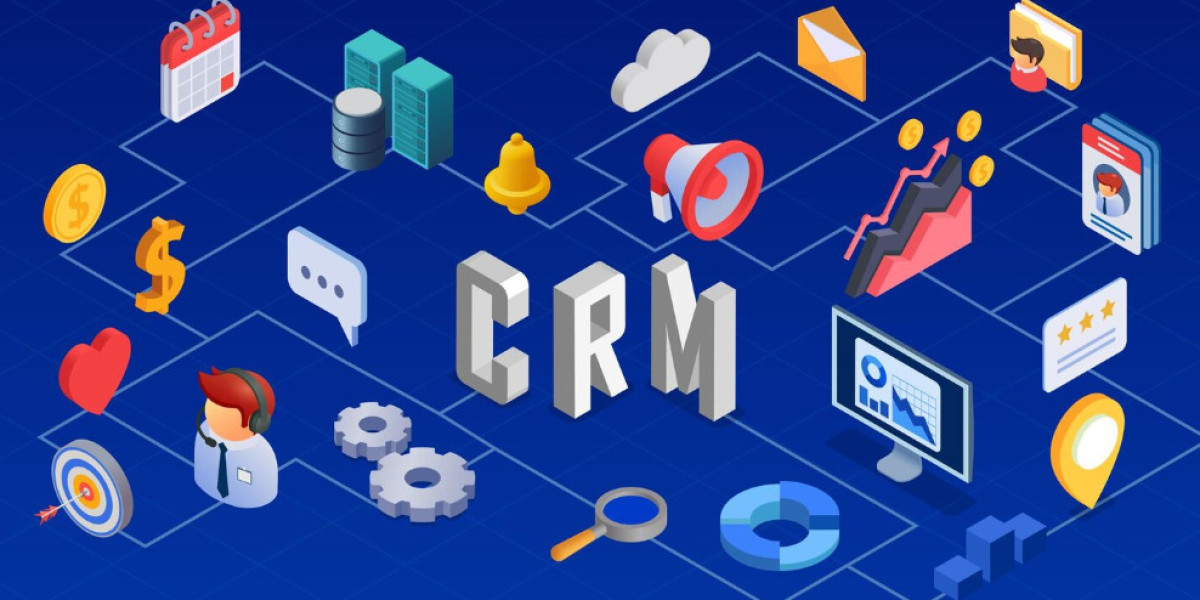

The healthcare industry is rapidly adopting AI-driven technologies to improve patient care, streamline operations, and reduce administrative workload. One of the most impactful innovations is Salesforce Agentforce, an AI-powered solution designed to help healthcare organizations deliver faster, smarter, and more personalized support experiences.
Healthcare providers often struggle with rising patient expectations, high support volumes, appointment management issues, and increasing operational costs. Agentforce helps solve these challenges by using artificial intelligence to automate routine tasks, assist support teams, and improve patient communication across multiple channels.
One of the biggest advantages of Agentforce in healthcare is its ability to provide instant patient support. Patients no longer want to wait hours or days for responses to simple questions about appointments, prescriptions, insurance, or treatment updates. AI-powered agents can handle these requests automatically through chat, email, or messaging platforms, giving patients faster answers and improving overall satisfaction.
Agentforce also helps healthcare organizations deliver a more personalized patient experience. By integrating with healthcare CRM systems and patient data, AI agents can access important information such as appointment history, previous interactions, and treatment preferences. This allows healthcare teams to provide more relevant and efficient support while reducing repetitive communication.
Another major benefit is workflow automation. Healthcare staff often spend a significant amount of time on repetitive administrative tasks like appointment scheduling, follow-up reminders, case routing, and data entry. Agentforce automates many of these processes, allowing healthcare professionals to focus more on patient care instead of manual operations.
For healthcare service teams, Agentforce improves productivity and response efficiency. AI-powered routing ensures patient requests are directed to the right department or specialist based on urgency, availability, or inquiry type. This reduces delays and helps patients receive faster assistance.
Healthcare organizations can also use Agentforce to improve patient engagement outside traditional support channels. AI-powered assistants can send appointment reminders, medication notifications, wellness updates, and post-treatment follow-ups automatically. This proactive communication helps improve patient retention and overall care experiences.
Data and analytics are another important advantage. Agentforce provides healthcare organizations with valuable insights into patient interactions, service trends, and support performance. Teams can monitor response times, patient satisfaction scores, common service issues, and operational bottlenecks to continuously improve healthcare delivery.
Security and compliance are critical in healthcare, and Salesforce-based solutions are designed to support enterprise-grade security standards. Healthcare providers can manage patient interactions securely while maintaining compliance with healthcare data regulations and privacy requirements.
As AI adoption continues to grow, healthcare organizations are looking for smarter ways to improve both operational efficiency and patient satisfaction. Agentforce enables hospitals, clinics, and life sciences companies to modernize their customer service operations while delivering faster, more connected, and more personalized patient experiences.
In 2026 and beyond, AI-powered healthcare service platforms like Agentforce will play a major role in helping healthcare providers meet rising patient expectations, reduce support workloads, and build stronger patient relationships through intelligent automation and real-time engagement.