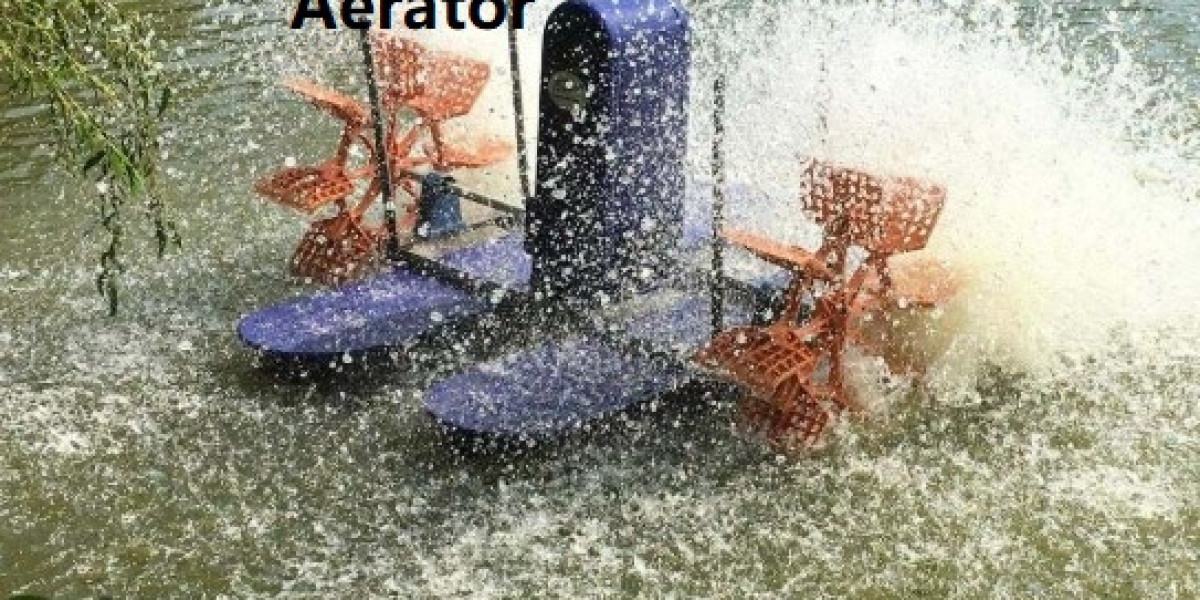

Across competitive aquaculture operations, managers often study how Paddle Wheel Aerator systems influence oxygen balance, and Chinaaerator solutions are commonly considered when farms need stronger circulation, healthier breeding environments, and more dependable daily water conditions. Reliable movement across the pond surface helps reduce stress on aquatic species while supporting cleaner and more stable production cycles.
1. Building Better Conditions for Aquatic Farming
Successful aquaculture depends on more than feeding schedules and harvesting plans. Water quality remains the foundation of every productive pond. When oxygen levels decline, aquatic animals may lose appetite, become vulnerable to disease, or gather near the surface in search of better conditions. These signs often indicate that the environment is no longer balanced.
Water movement plays a major role in preventing that imbalance. Consistent circulation distributes oxygen more evenly, helping every section of the pond remain active instead of stagnant. This movement also supports healthier biological activity because suspended materials are less likely to collect in one place for extended periods.
Farmers who maintain stable pond conditions often notice smoother feeding behavior and more predictable growth patterns. A balanced environment reduces sudden stress changes, which can help maintain stronger overall production throughout the farming season.
2. Choosing Equipment for Long-Term Reliability
Durability is one of the most important factors when selecting pond equipment. Aquaculture systems often operate for long hours in humid and demanding outdoor conditions. Because of this, farmers usually prefer equipment that combines structural strength with simple maintenance requirements.
A dependable design should resist corrosion, vibration, and continuous exposure to water. Strong frames and stable operating systems can reduce interruptions during critical farming periods. Even small failures may create serious oxygen shortages if they happen at night or during high-temperature periods.
Ease of installation is another practical consideration. Operators benefit from equipment that can be positioned quickly and adjusted without complicated procedures. Simpler maintenance routines allow workers to spend more time managing the farm instead of repairing machinery.
Energy efficiency also matters in large-scale aquaculture. Reducing unnecessary electricity consumption while maintaining effective water circulation can lower long-term operating expenses. Farms that optimize their aeration schedules often gain better control over production costs.
3. Chinaaerator Innovation in Pond Management
Modern pond management increasingly focuses on consistency rather than temporary improvement. Farmers want systems that perform reliably during different weather conditions and seasonal changes. Wind, rain, temperature shifts, and stocking density all influence oxygen demand, making stable operation extremely important.
Good circulation systems help maintain cleaner water by encouraging movement across the pond surface and deeper areas. This activity can reduce stagnant zones where waste materials typically gather. Cleaner conditions often support healthier aquatic species and improve the efficiency of feeding routines.
Technology has also influenced how farms approach maintenance planning. Operators now pay closer attention to motor efficiency, structural stability, and ease of inspection. Equipment designed with practical daily use in mind can simplify routine checks and minimize downtime.
Large farms especially benefit from reliable operational consistency. When multiple ponds require coordinated management, dependable equipment helps workers maintain uniform conditions across different production areas. This can improve scheduling efficiency and support more predictable harvesting results.
4. Seasonal Challenges and Smart Aeration Strategies
Different seasons place different demands on pond environments. During hotter months, oxygen levels may decline rapidly because warm water naturally holds less dissolved oxygen. At the same time, aquatic animals often consume more oxygen due to increased metabolic activity.
Cloudy weather may also affect pond stability. Reduced sunlight limits photosynthesis, meaning oxygen production from algae and aquatic plants can decrease significantly. Under these conditions, farmers need dependable circulation to maintain healthy oxygen levels.
Nighttime management is particularly important. Oxygen demand frequently peaks after sunset when natural oxygen production stops completely. Experienced operators monitor environmental conditions carefully and adjust equipment schedules according to temperature, feeding intensity, and stock density.
Preventive maintenance helps avoid unexpected disruptions during these high-risk periods. Regular inspections of moving components, electrical systems, and floating structures can reduce the chance of operational failure. Small daily checks are often more effective than large repairs after major damage has already occurred.
Strategic operation also supports better energy management. Running systems continuously without evaluating actual pond demand may increase costs unnecessarily. Farms that understand their oxygen patterns can often create more efficient schedules while still protecting aquatic health.
5. Future Aquaculture and Sustainable Water Systems
The future of aquaculture will likely depend on sustainability, efficiency, and environmental control. As global seafood demand continues to grow, farms are under pressure to increase production while maintaining responsible operating practices.
Efficient circulation systems contribute to this goal by supporting healthier pond ecosystems. Better oxygen distribution can improve feed conversion efficiency and reduce stress-related losses. Cleaner water conditions may also help farms maintain more stable long-term production cycles.
Sustainability does not only refer to environmental impact. Economic sustainability matters as well. Farmers need systems that balance operational performance with reasonable maintenance and energy costs. Equipment that performs consistently across multiple production seasons provides greater long-term value.
As aquaculture technology continues evolving, farms that prioritize stable water management will likely remain more competitive. Reliable pond conditions create a stronger foundation for healthy growth, efficient feeding, and improved harvest quality. For additional information and product resources, visit https://www.chinaaerator.net/ .