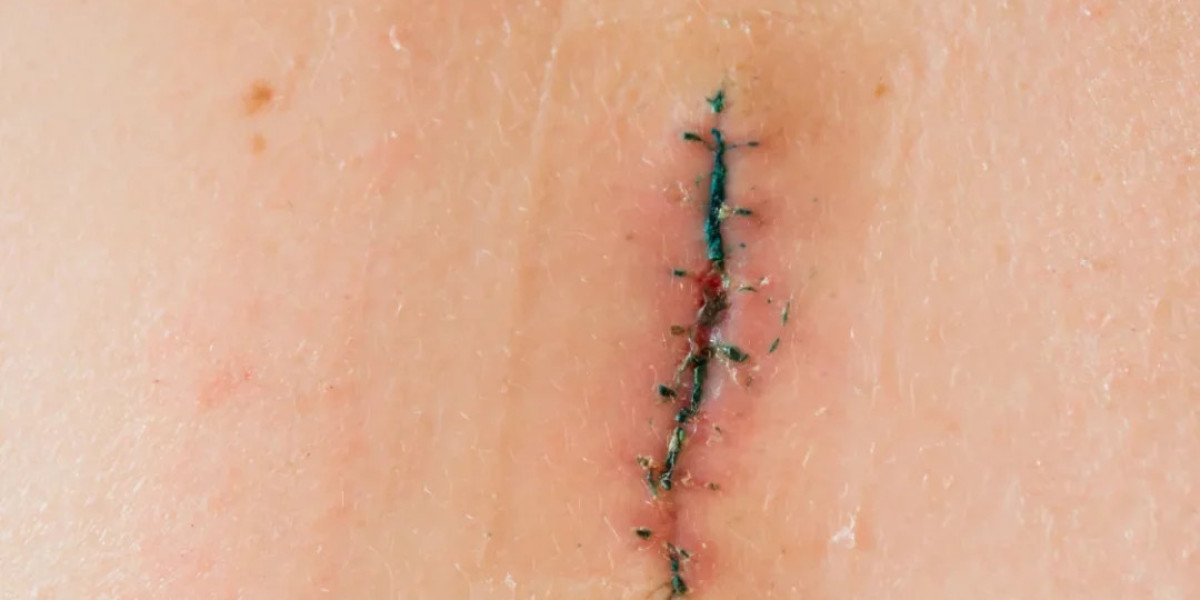

The idea of removing stitches without professional supervision may seem simple, but it requires careful awareness, patience, and proper timing. When someone considers Suture Removal at Home in Dubai, it becomes essential to understand that precaution is not just a recommendation but a critical part of ensuring safe recovery. Proper attention helps the healing area stay protected, reduces unnecessary strain on the skin, and supports smooth tissue recovery.
Sutures are placed to support wound closure, and even when the skin looks healed on the surface, internal tissue may still be delicate. This is why precautions are strongly emphasized. A small mistake during removal can disturb healing progress, so careful steps always matter.
Why Precautionary Awareness Is Essential
Precautions play a major role in preventing unnecessary discomfort and protecting the healing site from irritation. The skin surrounding sutures may still be sensitive, and sudden or unprepared handling can cause disruption to newly formed tissue.
Understanding the condition of the wound before beginning removal is important. The individual must ensure that the wound is fully closed, dry, and stable. Even slight redness or uneven healing can indicate that more time is needed before any removal process begins.
Precaution also ensures that the environment remains clean and controlled. A calm and organized setting reduces the chances of contamination and helps maintain focus during the process. Emotional readiness also plays a role, as patience is necessary to avoid rushed actions.
Proper Awareness Before Beginning the Process
Before any attempt is made, it is important to observe the healing area closely. The skin should appear joined without gaps, and there should be no visible signs of stress or irritation. If discomfort or tightness is present, it may indicate that the timing is not appropriate.
Careful observation is a key precaution that supports better decision-making. It allows the individual to recognize whether the wound is ready for stitch removal or still requires additional healing time. This awareness prevents unnecessary disruption and supports smoother recovery outcomes.
Safe Handling Practices and Gentle Approach
A gentle approach is always encouraged when dealing with sutures. The area should not be pulled or pressed forcefully. Instead, careful handling ensures that the skin remains undisturbed.
Maintaining steady hands and slow movements is important to avoid stress on the healing tissue. Even when the stitches appear loose or ready to come out, rushing the process can lead to discomfort. A calm and controlled mindset helps ensure smoother handling.
It is also important to avoid unnecessary contact with the wound area. Excessive touching can increase irritation and interfere with natural healing progress. Keeping the area stable and undisturbed is one of the most effective precautions.
Two Common Approaches to Suture Awareness and Handling
There are generally two approaches people consider when thinking about stitch removal at home. The first approach is careful self-observation, where the individual focuses on monitoring healing progress over time. This includes checking the skin condition regularly and ensuring that the wound shows consistent improvement.
The second approach involves seeking external guidance through general health awareness practices. This means understanding basic wound healing principles and ensuring that the removal decision is based on clear signs of recovery rather than assumption. Both approaches emphasize caution, patience, and responsibility.
In both methods, the key factor remains the same: ensuring that the wound is fully ready before any removal process begins. This reduces the risk of irritation and supports a smoother healing experience.
Common Mistakes That Should Be Avoided
One of the most common mistakes is attempting removal too early. Even if the surface looks healed, internal tissue strength may still be developing. Removing stitches prematurely can disturb this process.
Another mistake is ignoring signs of discomfort. If the area feels tight or sensitive, it is a signal that more healing time may be needed. Forcing the process can lead to unnecessary strain.
Rushing the procedure is also a frequent issue. The removal process requires patience, and any hurried action can affect the outcome. A slow and steady approach is always safer.
Importance of Emotional Calmness During the Process
Emotional calmness is often overlooked but plays a significant role in safe suture handling. When a person remains relaxed, their movements become more controlled and precise. This reduces the chance of accidental pulling or irritation.
Stress or anxiety can lead to rushed decisions, which may not be suitable for proper healing. Maintaining a calm mindset ensures that the process is approached with clarity and attention.
Why Timing Matters in Suture Care
Timing is one of the most important factors in stitch removal. Every wound heals at a different pace depending on the depth and nature of the injury. Understanding when the skin is ready is essential to avoid unnecessary complications.
Waiting for complete surface healing ensures that the skin is strong enough to remain closed without support. This careful timing reduces the risk of reopening and supports natural tissue strengthening.
Hygiene Awareness and Environmental Control
Even though the focus is on precautions, maintaining a clean environment is always important. A calm, organized space helps reduce distractions and ensures better focus during the process.
Keeping the surrounding area clean helps minimize unnecessary exposure to external elements that could interfere with healing. This precaution supports a safer and more controlled experience.
When Observation Becomes the Key to Safety
Observation is one of the strongest tools in ensuring safe stitch handling. By carefully watching the wound over time, it becomes easier to identify readiness for removal.
Signs such as stable skin alignment, absence of tension, and consistent healing progress are indicators that the wound may be approaching readiness. However, careful judgment is always necessary before making any decision.
Understanding the Balance Between Caution and Recovery
Balancing caution with healing progress is essential. Too much delay may cause unnecessary dependence on sutures, while early removal may affect healing stability. Finding the right balance ensures that the skin recovers in a steady and controlled manner.
This balance is achieved through patience, observation, and careful attention to detail. Every healing process is unique, and respecting that uniqueness is part of safe practice.
Conclusion
Careful attention and patience remain the foundation of safe stitch handling practices. The concept of Suture Removal at Home highlights the importance of understanding healing stages, maintaining awareness, and avoiding rushed decisions. By focusing on observation, timing, and gentle handling, individuals can support smoother recovery and reduce unnecessary disruption. Ultimately, respecting the healing process ensures better comfort, stability, and long-term skin recovery outcomes