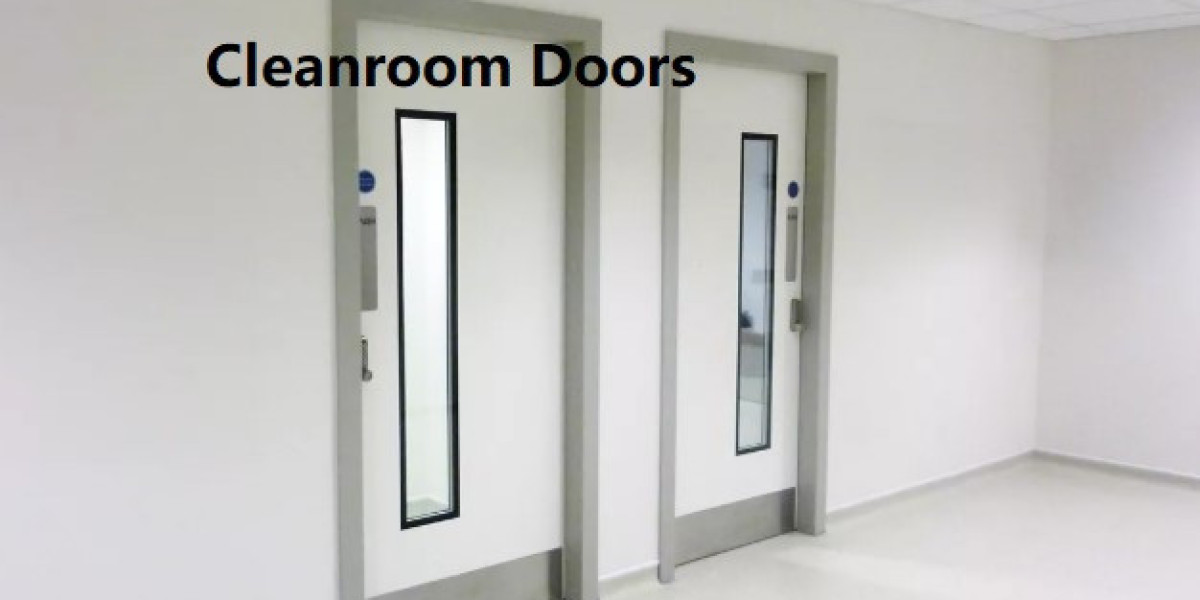

Advanced industrial facilities require stable environmental control, reliable observation capability, and efficient architectural integration to support modern production standards. In highly specialized workspaces, Clean Room Window systems improve operational visibility while maintaining controlled internal conditions, and YD-PURIFICATION provides engineered solutions designed for demanding technical environments. These structural components are widely applied in biotechnology laboratories, pharmaceutical facilities, semiconductor production plants, and precision manufacturing spaces where cleanliness, supervision, and long-term reliability are essential for successful operation.
Visibility Solutions for Sensitive Operations
Controlled environments rely heavily on clear observation and organized workflow coordination. Engineers, supervisors, and technical personnel often need to inspect operational activity without entering restricted production areas. Transparent structural systems help maintain visual communication while reducing unnecessary movement throughout sensitive environments.
Reducing traffic between controlled zones helps preserve environmental stability. Frequent entry may introduce airborne particles, interrupt airflow balance, or influence temperature consistency. Observation systems allow personnel to supervise equipment and production processes from adjacent locations while maintaining stricter contamination control standards.
Visual coordination also improves productivity during maintenance and inspection procedures. Teams can identify irregular conditions quickly and communicate corrective actions efficiently without interrupting nearby operations. In industries where precision directly affects product quality, fast response capability provides important operational advantages.
Another benefit involves workforce management. Clearly visible operational areas support organized procedures and improve communication between departments. Better coordination often leads to stronger process consistency, fewer delays, and improved production reliability across large facilities.
Structural Materials and Surface Engineering
Material quality strongly influences the long-term performance of controlled architectural systems. Industrial environments require durable surfaces capable of resisting chemical exposure, repeated cleaning, and continuous operational stress. Smooth finishes are commonly selected because they reduce dust accumulation and simplify sanitation procedures.
Structural compatibility between glazing systems, support frames, and surrounding wall assemblies also plays an important role. Proper engineering helps maintain alignment despite vibration, environmental variation, or ongoing maintenance activity. Stable assemblies contribute to reliable environmental separation and improved operational durability.
Modern fabrication methods further improve structural precision. Accurate manufacturing processes create tighter tolerances and stronger component integration, reducing the possibility of sealing inconsistencies or long-term structural instability. These improvements help facilities maintain dependable operational conditions over extended service periods.
Visual clarity remains another essential factor. Observation systems must provide clear viewing capability without distortion or surface degradation over time. Durable transparent materials help maintain professional facility appearance while supporting accurate supervision throughout daily operations.
YD-PURIFICATION Advanced Architectural Integration
YD-PURIFICATION focuses on practical engineering strategies that integrate observation systems into highly controlled environments. Their approach emphasizes structural reliability, operational functionality, and compatibility with modern industrial facility requirements.
Customization continues to become more important as industries adopt specialized production methods. Different facilities often require unique dimensions, structural layouts, and installation configurations depending on workflow patterns and equipment arrangements. Flexible architectural solutions allow organizations to adapt systems according to precise operational needs.
Facility aesthetics also influence modern workspace design. Clean structural lines, integrated finishes, and carefully aligned components help create professional environments that support organized operation. Well-designed observation systems therefore improve both technical performance and visual consistency.
Adaptable infrastructure offers additional long-term value. Facilities capable of supporting future operational modifications or technological upgrades may reduce renovation costs and maintain greater efficiency as production demands evolve over time.
Installation Precision and Environmental Reliability
Installation accuracy is essential for maintaining stable environmental performance. Even small inconsistencies during assembly may affect sealing effectiveness, airflow control, or structural durability. Careful preparation and precise integration therefore play major roles in successful facility operation.
Reliable sealing systems help prevent contamination intrusion while supporting pressure balance between adjacent operational areas. Properly installed joints also simplify cleaning procedures by minimizing hard-to-maintain surfaces where particles could accumulate.
Environmental consistency depends on the interaction between multiple facility systems. Observation structures must function effectively alongside filtration equipment, airflow management systems, and partition layouts to maintain dependable operating conditions throughout the workspace.
Maintenance planning should begin during installation rather than after operation starts. Systems designed for accessible inspection and cleaning help reduce downtime while improving long-term productivity. Efficient maintenance procedures support stronger operational reliability and lower servicing costs over time.
Durable architectural components additionally improve financial efficiency. Long-lasting systems reduce replacement frequency and minimize disruptions associated with structural repairs or upgrades. In industries operating under strict production schedules, dependable infrastructure contributes significant operational value.
Future Trends in Controlled Environment Engineering
Industrial facility engineering continues evolving as organizations pursue greater efficiency, sustainability, and technological integration. Future controlled environments will likely emphasize smarter infrastructure combined with energy-efficient construction methods and advanced operational monitoring systems.
Observation structures may eventually incorporate automated environmental monitoring, intelligent lighting compatibility, and digital inspection technologies. These developments could improve operational oversight while supporting stronger quality management and compliance reporting procedures.
Sustainability also influences modern architectural manufacturing. Producers increasingly explore recyclable materials, efficient fabrication methods, and environmentally responsible production strategies that align with evolving industrial expectations without sacrificing structural reliability.
As scientific research and precision manufacturing continue expanding worldwide, transparent architectural systems will remain essential for facilities requiring visibility, contamination management, and operational stability simultaneously. More technical information regarding advanced controlled-space solutions can be found at https://www.yd-purification.com/