
Understanding your health starts with understanding your body, and one of the most important indicators of overall wellness is blood sugar. A blood sugar test is a simple medical test that measures the amount of glucose in your blood. Although it may sound technical at first, learning how this test works can help you prevent serious health conditions, improve your lifestyle, and manage diabetes more effectively.
For beginners, Blood Sugar Test Dubaioften raises many questions. Why is it important? What do the results mean? How often should testing be done? This complete guide answers everything in a simple and practical way while helping you understand how blood sugar affects your daily life.
Understanding Blood Sugar and Why It Matters:
Blood sugar, also called blood glucose, is the main source of energy for the body. The food you eat, especially carbohydrates, breaks down into glucose. This glucose enters the bloodstream and is transported to cells with the help of insulin, a hormone produced by the pancreas.
When the body cannot regulate glucose properly, blood sugar levels become either too high or too low. Both situations can create health complications over time.
High blood sugar levels may increase the risk of:
- Type 2 diabetes
- Heart disease
- Kidney damage
- Vision problems
- Nerve disorders
Low blood sugar levels may cause:
- Weakness
- Sweating
- Dizziness
- Confusion
- Fatigue
This is why regular blood glucose monitoring plays a major role in preventive healthcare and diabetes management.
What Is a Blood Sugar Test?
A blood sugar test measures the concentration of glucose in the bloodstream. Healthcare providers use this test to diagnose diabetes, monitor blood sugar levels, and evaluate how the body responds to insulin.
Blood glucose testing can be performed in clinics, hospitals, diagnostic laboratories, or at home using a glucose meter.
The test itself is usually quick, simple, and minimally uncomfortable.
Common Types of Blood Sugar Tests:
Many beginners believe there is only one type of glucose test, but several tests are available depending on the medical purpose.
Fasting Blood Sugar Test:
The fasting blood sugar test is one of the most common diagnostic methods. It measures glucose levels after fasting for at least eight hours.
This test helps identify:
- Normal glucose levels
- Prediabetes
- Diabetes mellitus
Doctors often recommend fasting glucose testing during routine health checkups.
Random Blood Sugar Test:
A random blood sugar test measures glucose at any time of the day regardless of meals.
This test is useful when a person shows diabetes symptoms such as excessive thirst, frequent urination, or unexplained weight loss.
Postprandial Blood Sugar Test:
This test measures glucose levels after eating. It helps determine how efficiently the body processes sugar following meals.
Post-meal glucose testing is commonly used in diabetes treatment plans.
HbA1c Test:
The HbA1c test measures average blood sugar levels over the past two to three months.
Unlike daily glucose monitoring, this test gives a broader picture of long-term blood sugar control.
Doctors often rely on HbA1c levels to evaluate diabetes management effectiveness.
Who Should Get a Blood Sugar Test?
Blood glucose testing is not limited to people diagnosed with diabetes. Many individuals benefit from regular screening, especially those with certain risk factors.
You may need a blood sugar test if you:
- Have a family history of diabetes
- Are overweight or obese
- Have high blood pressure
- Experience fatigue frequently
- Have an inactive lifestyle
- Are over the age of 45
- Have high cholesterol levels
Pregnant women may also undergo glucose testing to check for gestational diabetes.
Early testing can help detect metabolic disorders before severe complications develop.
Symptoms That May Indicate Abnormal Blood Sugar:
The body often provides warning signs when blood glucose levels become unstable.
Common symptoms of high blood sugar include:
- Increased thirst
- Frequent urination
- Blurred vision
- Slow wound healing
- Constant hunger
- Tiredness
Symptoms of low blood sugar may include:
- Shaking
- Sweating
- Rapid heartbeat
- Dizziness
- Irritability
- Difficulty concentrating
If these symptoms occur regularly, medical evaluation and glucose screening may be necessary.
How to Prepare for a Blood Sugar Test?
Proper preparation is important for accurate blood sugar test results.
For fasting glucose tests:
- Avoid food and drinks for eight to twelve hours
- Drink only water if permitted
- Avoid smoking before testing
- Follow doctor instructions carefully
Certain medications, illness, stress, and sleep patterns may also affect blood glucose readings.
Informing your healthcare provider about medications and lifestyle habits can improve result accuracy.
What Happens During the Test?
Most blood sugar tests involve taking a small blood sample.
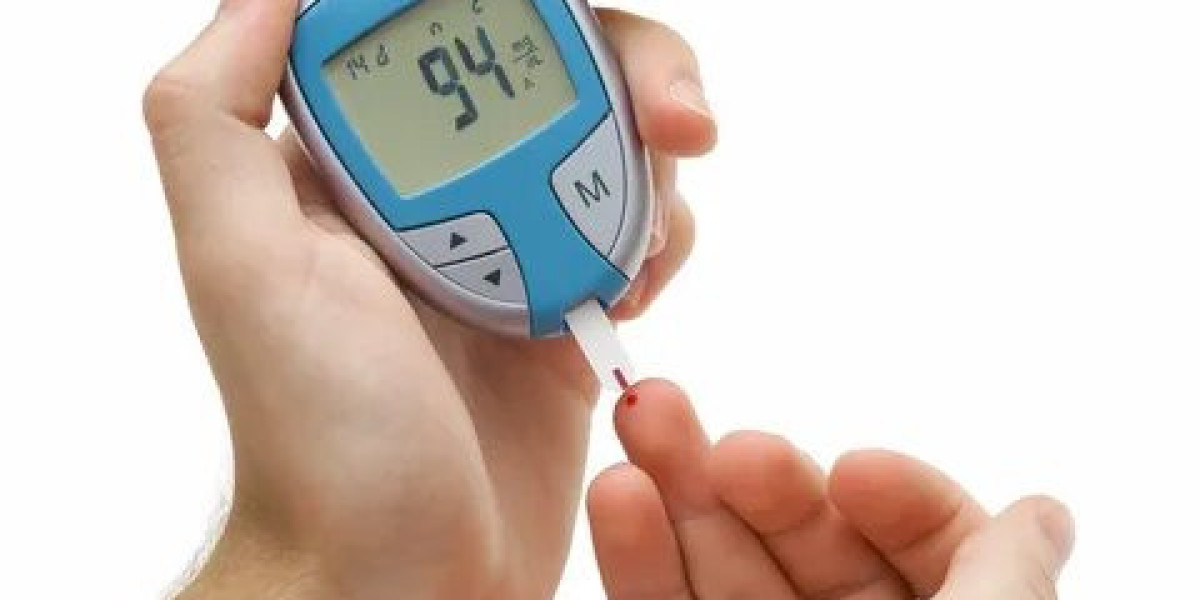
In clinics or laboratories, healthcare professionals may draw blood from a vein in the arm. Home glucose monitoring devices use finger-prick samples.
The process typically takes only a few minutes.
For continuous glucose monitoring systems, a small sensor placed under the skin tracks glucose levels throughout the day and night.
Modern blood sugar monitoring technology has made diabetes management more convenient than ever.
Understanding Blood Sugar Test Results:
Interpreting glucose readings correctly is essential for maintaining good health.
Normal Fasting Blood Sugar:
A healthy fasting blood sugar level is usually below 100 mg/dL.
Prediabetes Range:
Fasting glucose levels between 100 and 125 mg/dL may indicate prediabetes.
Diabetes Range:
Blood sugar levels of 126 mg/dL or higher during fasting tests may suggest diabetes.
HbA1c percentages are also commonly used to determine long-term glucose control.
Your doctor will evaluate your results alongside symptoms, medical history, and lifestyle factors.
Factors That Can Affect Blood Sugar Levels:
Blood glucose levels constantly change throughout the day. Several factors may influence these fluctuations.
Food Choices:
Sugary foods and refined carbohydrates can cause rapid glucose spikes.
Physical Activity:
Exercise helps muscles absorb glucose and improves insulin sensitivity.
Stress Levels:
Stress hormones may increase blood sugar levels temporarily.
Sleep Quality:
Poor sleep patterns may contribute to insulin resistance.
Medications:
Certain medicines can raise or lower glucose levels.
Understanding these factors helps individuals maintain healthier blood sugar balance.
Tips for Maintaining Healthy Blood Sugar Levels:
Managing blood sugar does not always require extreme lifestyle changes. Consistency is often more important than perfection.
Follow a Balanced Diet:
Choose whole grains, vegetables, lean proteins, and healthy fats instead of processed foods and sugary snacks.
Stay Physically Active:
Daily movement improves metabolism and supports stable glucose levels.
Maintain a Healthy Weight:
Weight management reduces the risk of developing insulin resistance and type 2 diabetes.
Stay Hydrated:
Water supports healthy body function and glucose regulation.
Monitor Blood Sugar Regularly:
Regular glucose checks help identify patterns and improve long-term diabetes control.
Reduce Stress:
Relaxation techniques such as meditation, yoga, and deep breathing may support better metabolic health.
Home Blood Sugar Monitoring for Beginners:
Many people with diabetes use home glucose meters to monitor daily sugar levels.
These portable devices provide quick readings and help users understand how meals, exercise, and medication affect glucose levels.
To improve accuracy:
- Wash hands before testing
- Use clean testing strips
- Follow device instructions carefully
- Record readings consistently
Home monitoring empowers individuals to make informed health decisions every day.
Why Early Detection Is Important?
Diabetes often develops gradually without obvious symptoms. Some people may live for years without realizing their blood sugar levels are unhealthy.
Early diagnosis allows timely intervention through:
- Better nutrition
- Increased physical activity
- Medication if needed
- Weight management
- Preventive healthcare strategies
Early blood sugar control significantly lowers the risk of long-term complications.
Final Thoughts:
A blood sugar Lab tests is more than just a medical procedure. It is a valuable tool for understanding your health, preventing chronic disease, and improving overall well-being.
For beginners, learning about blood glucose testing may feel overwhelming at first, but understanding the basics can make a major difference in your lifestyle and long-term health outcomes.
Whether you are monitoring diabetes, checking for early symptoms, or simply focusing on preventive care, regular blood sugar monitoring helps you stay informed and proactive.
Healthy blood sugar management begins with awareness, consistent habits, and informed choices that support your body every day.