
Understanding Professional Embroidery Design Conversion
Embroidery design conversion is a crucial step in transforming artwork into stitch-ready files that a digitizer for embroidery can prepare for embroidery machines. This process ensures that logos, patterns, and illustrations are accurately translated into stitches while maintaining clarity, texture, and durability in the final output. Without proper conversion, even the most creative designs may fail to produce clean or consistent embroidery results, which is why professional handling by a digitizer for embroidery is essential for achieving high-quality and reliable embroidery production.
What is Embroidery Design Conversion?
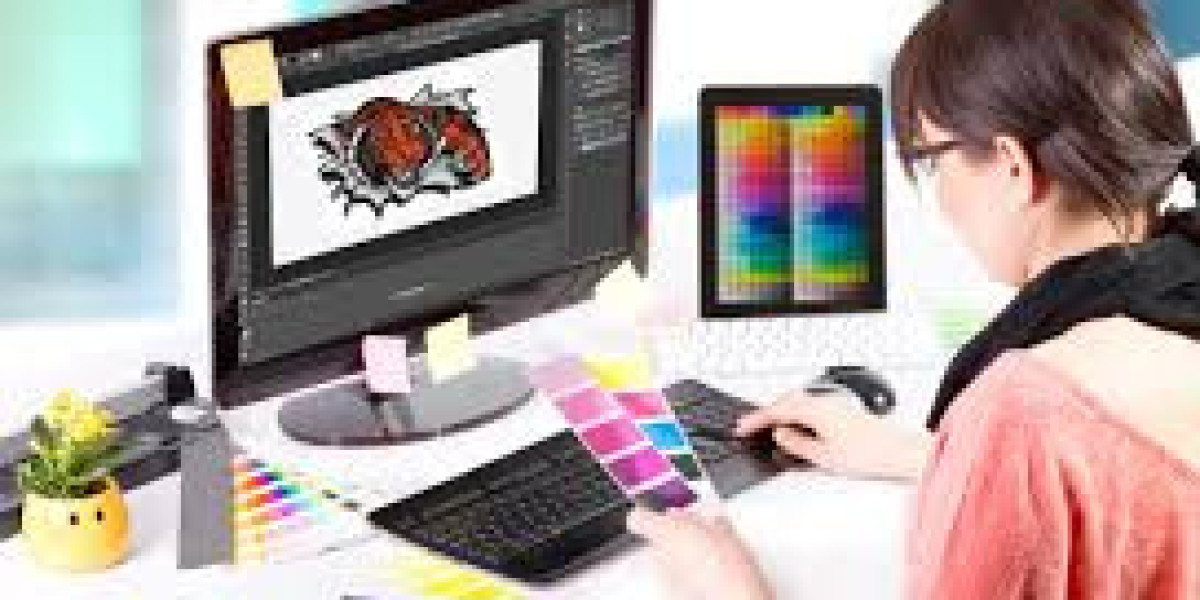
Embroidery design conversion refers to the process of turning a digital image or artwork into a structured stitch file. This file guides embroidery machines on how to stitch each element, including direction, density, and stitch type.
Unlike simple image editing, this process requires technical understanding of fabric behavior, thread tension, and machine capabilities. Each design must be carefully planned so that it stitches correctly on different materials such as cotton, polyester, caps, or jackets.
The goal is to ensure that the final embroidered product closely matches the original artwork while remaining durable and visually appealing.
Role of Software and Expertise in Embroidery
Modern embroidery production relies heavily on specialized software that allows professionals to map out stitch paths. However, software alone is not enough. Human expertise plays a critical role in determining stitch flow, underlay structure, and design optimization.
Experienced professionals understand how different stitch types behave on various fabrics. For example, satin stitches are commonly used for borders, while fill stitches are used for larger areas. Proper balancing of these stitch types ensures that the design does not distort or pucker during embroidery.
This combination of technology and skill helps achieve consistent quality across different production runs.
Common Challenges in Embroidery File Preparation
One of the most common challenges in embroidery file preparation is maintaining design clarity after scaling. A design that looks perfect on screen may lose detail when stitched at a smaller size. Fine text, thin lines, and complex gradients are often difficult to reproduce.
Another issue is fabric distortion. Some materials stretch or shrink during stitching, which can cause misalignment in the final output. Incorrect stitch density or direction can worsen this problem.
Color matching is also a challenge. Thread colors rarely match digital colors exactly, so adjustments must be made to ensure visual consistency.
Proper planning and testing are required to overcome these challenges and achieve high-quality results.
How to Improve Stitch Quality and Efficiency
Improving stitch quality starts with proper design analysis. Each element of the artwork should be evaluated to determine the best stitch type and direction. Simplifying overly complex areas can also improve clarity without losing visual impact.
Another important factor is stitch density. Too many stitches can make the fabric stiff, while too few can leave gaps in the design. Finding the right balance is essential for both appearance and durability.
Testing on sample fabric is also highly recommended. It helps identify potential issues before full production begins. Adjustments can then be made to improve the final output.
Machine calibration and thread selection also play a significant role in maintaining consistency during production.
Choosing the Right Service Provider
Selecting the right service provider can significantly impact the quality of embroidery results. A skilled provider understands how to handle different design complexities and fabric types while ensuring efficient production.
Working with a reliable digitizer for embroidery ensures that every design is properly converted into a stitch-ready format. This reduces errors, minimizes production delays, and improves overall quality. It also helps businesses maintain consistency across large orders, which is essential for branding purposes.
A good provider will also offer support in revising designs, optimizing stitch paths, and ensuring compatibility with different embroidery machines.
Cost Factors in Embroidery Digitizing
Several factors influence the cost of embroidery file preparation. Design complexity is one of the main considerations. Intricate designs with multiple colors and fine details require more time and expertise.
Another factor is size. Larger designs typically require more stitches, which increases production time and cost. Rush orders may also carry additional charges due to faster turnaround requirements.
Despite these costs, investing in proper conversion ensures better quality and reduces production errors, ultimately saving time and resources in the long run.
Tips for Better Embroidery Results
To achieve better embroidery outcomes, it is important to start with clean and high-resolution artwork. Low-quality images often result in inaccurate stitch mapping.
Avoid using overly thin lines or extremely small text, as they may not translate well into stitches. Keeping designs simple and bold often produces more professional results.
Communication with the embroidery team is also essential. Clear instructions about fabric type, placement, and expected output help improve accuracy.
Additionally, always review sample outputs before full production. This helps identify necessary adjustments early in the process.
Working closely with a skilled digitizer for embroidery can significantly improve the final quality of the design and reduce production issues.
Final Thoughts
Embroidery design conversion is both a technical and creative process that requires attention to detail and experience. From selecting the right stitch types to managing fabric behavior, every step contributes to the final outcome.
Businesses that invest in proper conversion processes benefit from higher quality products, fewer production errors, and more consistent branding. Whether for small custom projects or large-scale production, understanding this process is essential for achieving professional embroidery results.
A professional digitizer for embroidery plays a key role in ensuring that designs are accurately translated into stitch files, helping businesses maintain quality standards and customer satisfaction.