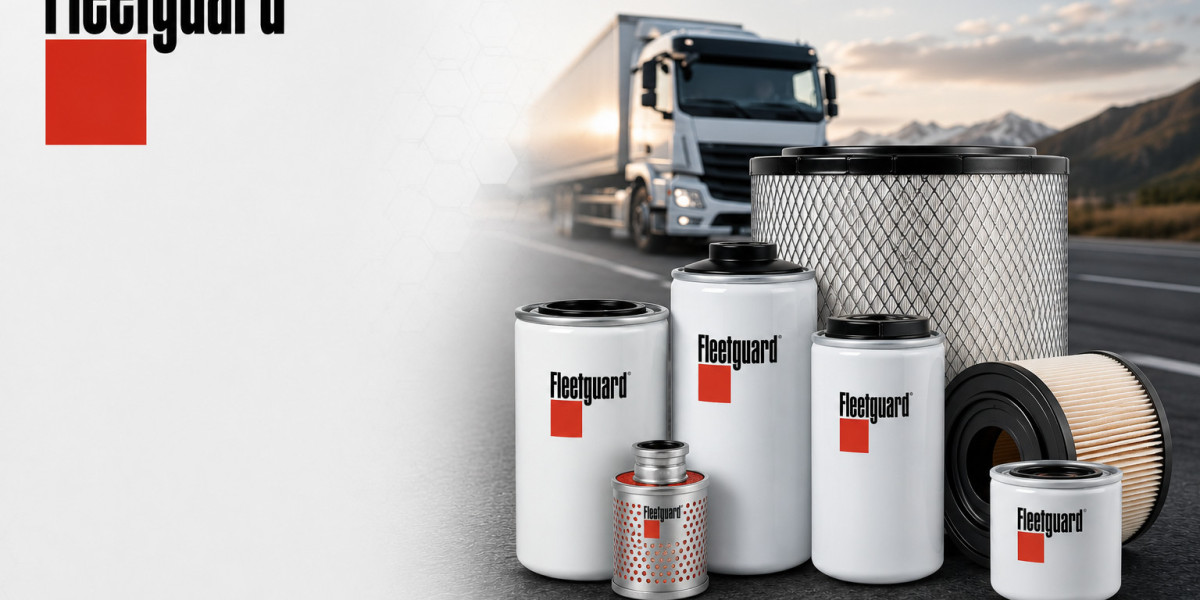

Diesel engines are champions of durability and torque, powering everything from heavy-haul trucks to industrial equipment. But one often overlooked component plays a major role in how well these engines perform over years of demanding use the engine filter. Among filter brands, Fleetguard has become synonymous with quality and reliability. In this comprehensive blog, we explore how genuine Fleetguard filters protect your diesel engine, extend engine life, reduce maintenance costs, and deliver measurable performance benefits.
Fleetguard is known worldwide for its advanced filtration technology, premium materials, and engineering expertise. But why exactly do these filters matter so much? Why should fleet managers, truck owners, or heavy equipment operators make sure they’re using genuine Fleetguard products rather than aftermarket alternatives? This article answers those questions — in detail, backed by evidence, engineering logic, and real-world use cases.
Understanding Diesel Engine Filters: The First Line of Defense
Before we explore Fleetguard’s role, it’s essential to understand what diesel filters do and why they are so critical.
What Diesel Filters Are and Why They Matter
Every diesel engine relies on clean air, fuel, and oil to operate efficiently. Filters act as protective barriers, capturing contaminants before they can enter critical engine zones. Without proper filtration, dirt, soot, debris, and water can circulate through the system — leading to worn parts, combustion inefficiency, reduced fuel economy, and ultimately premature engine failure.
Diesel engines generate soot and particulates as part of combustion. Fuel systems are highly sensitive, and even tiny particles can clog injectors or damage pistons. Filters trap these harmful substances and help keep lubrication systems, combustion chambers, and injectors functioning smoothly.
There are primarily three major types of filters in a diesel engine:
1. Air Filters
Air filters keep dust, pollen, debris, and foreign particles from entering the engine’s intake system. Clean air is a prerequisite for effective combustion. Poor filtration results in abrasive wear on cylinder walls, rings, and valves.
2. Fuel Filters
Fuel filters remove water, rust, dirt, and microbial contamination from the diesel before it reaches injectors and combustion chambers. Water and contaminants in fuel are common causes of injector cracking and failure.
3. Oil Filters
Oil filters cleanse engine oil of metal shavings, dirt, carbon deposits, and other contaminants that accumulate in the lubrication system over time. Clean oil protects bearings, camshafts, and other moving parts from abrasion and heat stress.
Fleetguard Filters: The Science and Engineering Behind Genuine Protection
Genuine Fleetguard filters are engineered differently than many generic or cheap aftermarket options. The reason lies in the design philosophy: filtration with precision, reliability, and performance first.
Advanced Media Technology for Maximum Filtration Efficiency
Fleetguard uses multi-layer filtering media crafted to trap a higher percentage of microscopic particles without restricting fluid or airflow. This media is engineered to balance filtration efficiency and minimal pressure drop — ensuring the engine gets what it needs without strain.
Unlike cheaply made filters that often use basic paper elements or low-grade synthetic blends, Fleetguard’s media includes high-efficiency synthetic layers that excel at capturing sub-micron particles. These particles are invisible to the eye but cause significant wear over time.
The result? Longer engine life, fewer replacements, and better resistance to contamination stresses in harsh environments.
Superior Construction and Materials
Genuine Fleetguard filters are built with high-strength components that resist deformation under pressure, temperature swings, and vibration. Many cheap filters warp or leak over time, allowing unfiltered fluid to bypass the filter entirely — a phenomenon known as filter bypass. When bypass occurs, contaminants travel directly into the engine, defeating the purpose of filtration.
Fleetguard’s product lines are tested for structural integrity under extreme conditions. The housings, end caps, sealants, and gaskets are engineered to maintain a tight seal and consistent performance across a wide range of operating environments.
Extensive Testing and Quality Assurance
Fleetguard filters undergo rigorous testing protocols before they reach the market. Each filter is evaluated for flow characteristics, holding capacity, durability, and performance under simulated real-world stresses. This testing not only validates performance but ensures consistency from unit to unit — a hallmark of reliability.
By comparison, many aftermarket filters lack standardized testing or certification, and quality can vary dramatically between batches.
Protection Across Multiple Systems: Air, Fuel, and Oil
Fleetguard’s comprehensive range of filters extends protection across all major engine subsystems. Their design not only protects individual components but preserves system-wide performance.
Air Filtration: Breathing Clean Matters
High-efficiency air filters are especially crucial in dusty or off-road conditions. When engines inhale contaminated air, abrasive particles wear cylinder walls and piston rings, raise compression losses, increase oil consumption, and accelerate costly repairs.
Fleetguard’s air filters use advanced pleat geometry, optimized surface area, and premium filtering media to trap particles while minimizing restrictions. This allows engines to breathe as freely as possible without compromising protection. Clean air improves combustion efficiency, reduces emissions, and enhances power delivery.
In environments such as construction sites, agricultural fields, and mines where dust is omnipresent, the importance of effective air filtration cannot be overstated.
Fuel Filtration: Removing Water and Particles Before Damage Occurs
Diesel fuel contamination is a major cause of injector failure. Water — whether from condensation or poor fuel handling — can corrode fuel system components. Microbial growth in fuel, rust from tanks, and basic dirt are common contaminants.
Fleetguard fuel filters incorporate high-efficiency media combined with water separation technology. These filters trap solid particles and expel water from the diesel before it reaches critical components. The result is cleaner fuel at the injectors, fewer maintenance issues, and better combustion quality.
Because modern common-rail fuel systems operate at very high pressures with tight tolerances, even tiny particles can cause damage. This makes genuine, high-efficiency filtration essential.
Oil Filtration: Preserving Lubrication and Reducing Wear
The oil filtration system removes byproducts of combustion and mechanical wear that accumulate in the engine oil. Contaminated oil accelerates wear on bearings, camshafts, and other moving parts. If left unchecked, the result is overheating, frictional losses, and expensive repairs.
Fleetguard oil filters are designed to trap smaller particulates while offering high dirt-holding capacity. These filters maintain consistent oil flow at all engine speeds and operating temperatures. Because they are engineered to work with specific engine oil characteristics, they help maintain oil integrity throughout the service interval.
How Fleetguard Filters Extend Diesel Engine Life and Reduce Costs
Investing in genuine Fleetguard filters is not just about protection — it’s about value. While cheaper filters might seem appealing initially, the hidden costs can quickly outweigh the savings.
Reduced Wear and Tear
Clean air, fuel, and oil reduce friction and wear on critical engine components. Over months and years, this translates into far fewer failures, lower repair costs, and extended engine service life.
Better Fuel Economy
When air and fuel systems are clean, combustion is more efficient. Efficient combustion improves fuel economy and reduces emissions. This is especially valuable for fleet operators where fuel costs represent a significant portion of operating expenses.
Extended Service Intervals
High-quality filtration media holds more contaminants without clogging. This means longer service intervals without risking contamination breakthrough. Many Fleetguard filters are designed to match factory recommended intervals or even exceed them, providing peace of mind for operators.
Less Downtime
Breakdowns cost money — not just in repairs, but in lost productivity and scheduling disruptions. Diesel engines with effective filtration experience fewer unscheduled breakdowns, which makes maintenance more predictable and manageable.
Comparing Genuine Fleetguard Filters to Aftermarket Options
The filtration market is crowded with alternatives. But what sets Fleetguard apart?
Engineering Precision vs Generic Manufacturing
Fleetguard filters are designed with precise filtration targets based on engine requirements. Generic or low-cost aftermarket filters often use cheaper materials, untested media, and simplified designs that cannot deliver the same level of performance.
Quality Control and Consistency
Fleetguard maintains strict manufacturing standards and product testing. This leads to consistent performance across every unit. By contrast, many aftermarket filters vary significantly from batch to batch, which can introduce unpredictability into engine performance and maintenance.
Manufacturer Support and Warranty Assurance
Because Fleetguard filters are approved by major engine makers, they often come with manufacturer warranties and documented performance specifications. Using genuine filters helps preserve engine warranties and offers direct support if issues arise.
Real-World Results: Field Performance and User Feedback
Fleet owners, equipment managers, and mechanics repeatedly report tangible benefits when they switch to genuine Fleetguard filters — especially in challenging environments such as heavy-haul trucking, mining operations, and agricultural work.
Case Examples from the Field
Mechanics have found that trucks using high-efficiency Fleetguard fuel filters show longer injector life and reduced replacement frequency. Equipment operating in dusty environments — such as quarries or construction sites — exhibit cleaner cylinders and less piston ring wear over time.
These results aren’t anecdotal; they align with engineering predictions based on better filtration performance and media technology.
Tips for Choosing the Right Fleetguard Filter for Your Diesel Engine
Selecting a filter isn’t just about picking the most expensive option. It’s about matching the correct specification to your engine and operating conditions.
Follow Manufacturer Recommendations
Always start with the engine maker’s recommended filter model numbers, service intervals, and specifications. Fleetguard produces filters designed specifically to OEM standards, and using the correct model ensures proper fit and performance.
Consider Operating Conditions
If your equipment works in extremely dusty, humid, or dirty environments, consider filters with enhanced media capabilities or additional contamination control features.
Replace According to Service Intervals
Even the best filters eventually reach their contaminant-holding limits. Staying on schedule with replacements ensures that your system continues to operate at peak protection.
Common Misconceptions About Diesel Filters
Despite their importance, many diesel owners misunderstand filtration. Let’s clear up a few common myths:
Myth: “Any Filter Works the Same”
Not true. Filters differ drastically in media quality, design precision, and contaminant capture efficiency. Low-quality filters may allow bypass or premature clogging.
Myth: “Skipping Filter Replacements Saves Money”
Skipping maintenance leads to increased engine wear, reduced fuel efficiency, and potential breakdown costs that far outweigh filter costs.
Myth: “Aftermarket Filters Are Just As Good”
While some aftermarket filters perform adequately, many do not meet OEM specifications and offer inconsistent protection — especially under heavy loads or harsh conditions.
Future of Diesel Filtration: Innovation and Sustainability
Diesel engines continue to advance — with higher pressures, cleaner combustion standards, and greater performance demands. Filtration technology evolves alongside these trends.
Advanced Media for Ultra-Fine Filtration
Next-generation filters use nano-structured and synthetic media that trap particles at sub-micron levels while minimizing resistance. This improves both protection and engine performance.
Environmental Considerations
Efficient filtration also supports environmental goals by improving combustion efficiency, lowering emissions, and reducing waste through longer-lasting filters with higher holding capacities.
Fleetguard continues to invest in R&D, ensuring its products meet evolving demands for durability, sustainability, and performance.
Conclusion
Protecting a diesel engine requires more than just good fuel and regular oil changes. The heart of true protection lies in effective filtration — the ability to keep harmful particles out of the engine’s most sensitive systems.
Genuine Fleetguard filters provide that protection through advanced engineering, premium quality media, rigorous testing, and proven field results. By choosing Fleetguard, you’re investing not just in a filter — you’re investing in extended engine life, better fuel efficiency, lower maintenance costs, and optimal performance under the harshest conditions.
Whether you operate a fleet of trucks, heavy machinery, agricultural equipment, or any diesel-powered vehicle, understanding the importance of genuine filters can make a measurable difference in your operating outcomes.
Frequently Asked Questions (FAQs)
1. What makes Fleetguard filters better than generic aftermarket filters?
Genuine Fleetguard filters use advanced media with superior contaminant capture, endure rigorous testing, and are engineered to match OEM standards. Generic filters often lack consistent quality, leading to reduced protection and higher engine wear over time.
2. Can using a low-quality filter really damage my engine?
Yes. Low-quality filters may allow contaminants to bypass the filter media or clog prematurely. Particles as small as a few microns can damage injectors, cylinder walls, and bearings — leading to costly repairs.
3. How often should I replace my Fleetguard filters?
Follow your engine manufacturer’s recommended intervals. While Fleetguard filters are high quality, they still require routine replacement based on hours of operation and contamination load to maintain optimal performance.
4. Are Fleetguard filters compatible with all diesel engines?
Fleetguard produces a wide range of filters designed for specific engine models and systems. Always check the filter model against your engine specifications to ensure proper fit and performance.
5. Does using genuine Fleetguard filters improve fuel economy?
Yes. Clean air and fuel systems support efficient combustion, which can result in better fuel economy. While exact gains vary by engine type and operating conditions, proper filtration contributes to improved overall efficiency.